

5 Conversations Quietly Redefining Modern Horse Racing
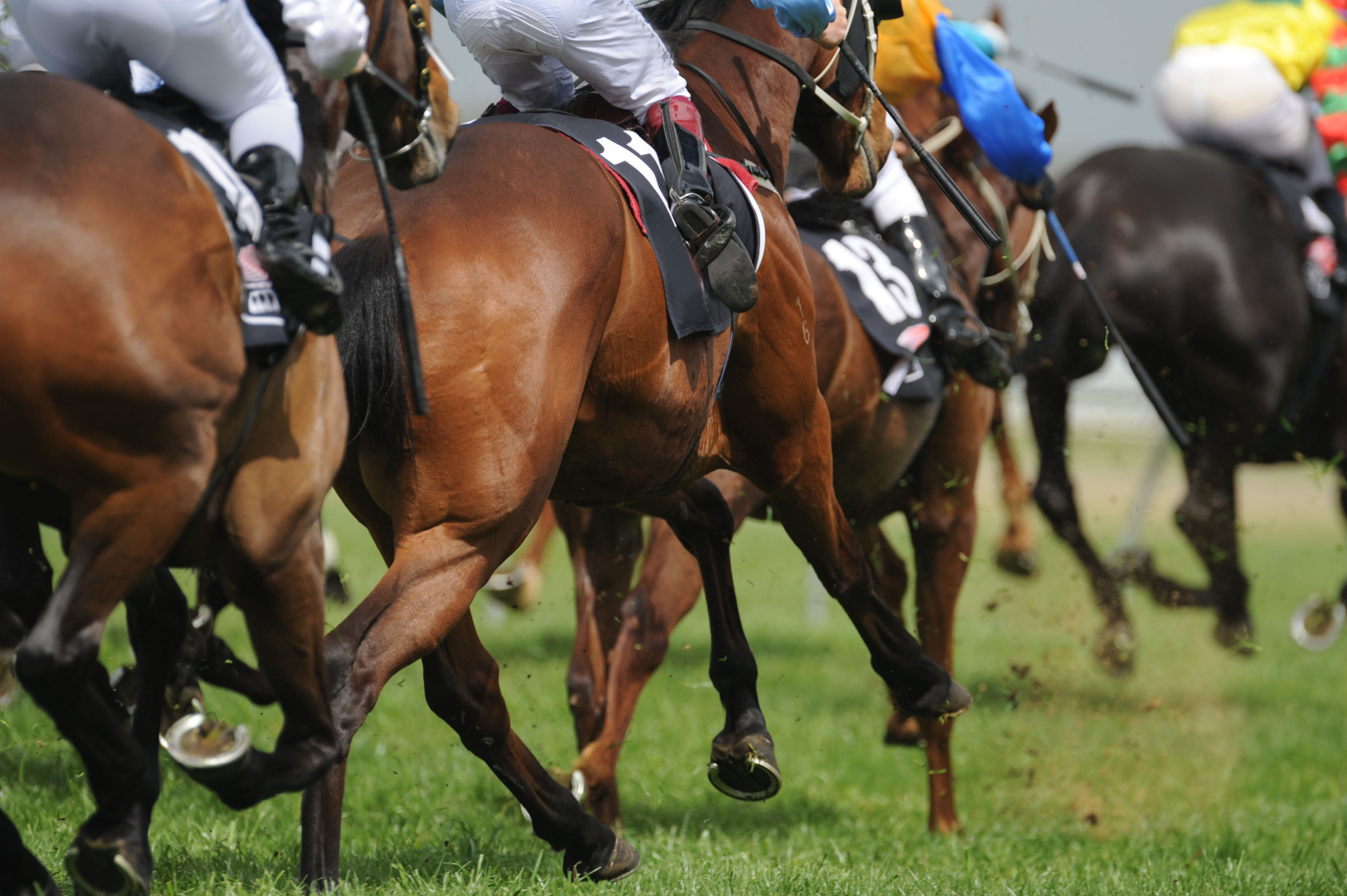
Horse racing has always lived at the intersection of tradition and progress. While the spectacle of speed and competition remains unchanged, the way the industry thinks about the racehorse is evolving. Today’s discussions are less about controversy and more about responsibility—how to protect the integrity of the sport while giving horses the best possible care throughout their careers.
These conversations are shaping what racing looks like now—and what it will become next.
1. How Safety Is Managed, Not Just Measured
Safety in racing is no longer viewed as a static goal, but as an ongoing process. Rather than relying solely on historical benchmarks, racing authorities increasingly examine patterns—how surfaces behave under different conditions, how race spacing affects fatigue, and how early indicators can prevent injuries before they occur.
This shift reflects a more proactive mindset. The emphasis is on prevention, adaptation, and learning, ensuring that safety standards move forward alongside the sport itself.
2. Training With Longevity in Mind
There is growing recognition that a successful racing career doesn’t have to be a short one. Trainers and owners are paying closer attention to how early training decisions influence long-term soundness, mental confidence, and durability.
Modern approaches increasingly value rest, variation in work, and tailored conditioning. Rather than pushing every horse to fit the same timeline, many programs now allow the horse to guide its own development—an approach that benefits performance as much as welfare.
3. Greater Openness About Daily Care
The everyday life of a racehorse is gaining more visibility, and that transparency matters. As fans and the wider public seek a better understanding of racing, the industry has begun to share more about stable routines, veterinary oversight, and recovery practices.
This openness helps bridge the gap between perception and reality. It also highlights the expertise, commitment, and attention involved in caring for elite equine athletes—details that often go unseen but define responsible racing.
4. Clear Expectations for Riding and Equipment
Racing relies on precision, skill, and trust between horse and jockey. Ongoing discussions around equipment and riding standards focus on consistency and clarity—ensuring that rules are applied fairly and understood at every level of the sport.
Education plays a central role here. By supporting jockey development and reinforcing best practice, the industry strengthens both safety and public confidence without undermining the competitive nature of racing.
5. Planning for Life After Racing
One of the most constructive shifts in racing is the emphasis on what comes next. Retirement is no longer viewed as an endpoint, but as a transition into a new phase—whether that’s a second athletic career or a quieter role.
Retraining and rehoming initiatives continue to grow, reinforcing the idea that racehorses are valued for more than their results. This long-term perspective strengthens the bond between the sport and the horses it depends on.
Looking Ahead
These conversations are not about questioning the place of racing, they are about reinforcing it. By listening, adapting, and evolving, the industry demonstrates that tradition and responsibility can exist side by side.
Racing’s future will be shaped not by avoiding discussion, but by engaging with it thoughtfully. And at the heart of every conversation remains the same priority it has always had: the horse.
© Rights Reserved.