


Antibiotic resistance in horses: when skin health becomes a shared responsibility
In modern equestrian practice, where welfare standards continue to rise, antibiotic resistance has quietly become one of the most important challenges facing horse health. While often associated with human medicine, this issue is deeply relevant to horses, riders, owners, and everyone working in close contact with them.
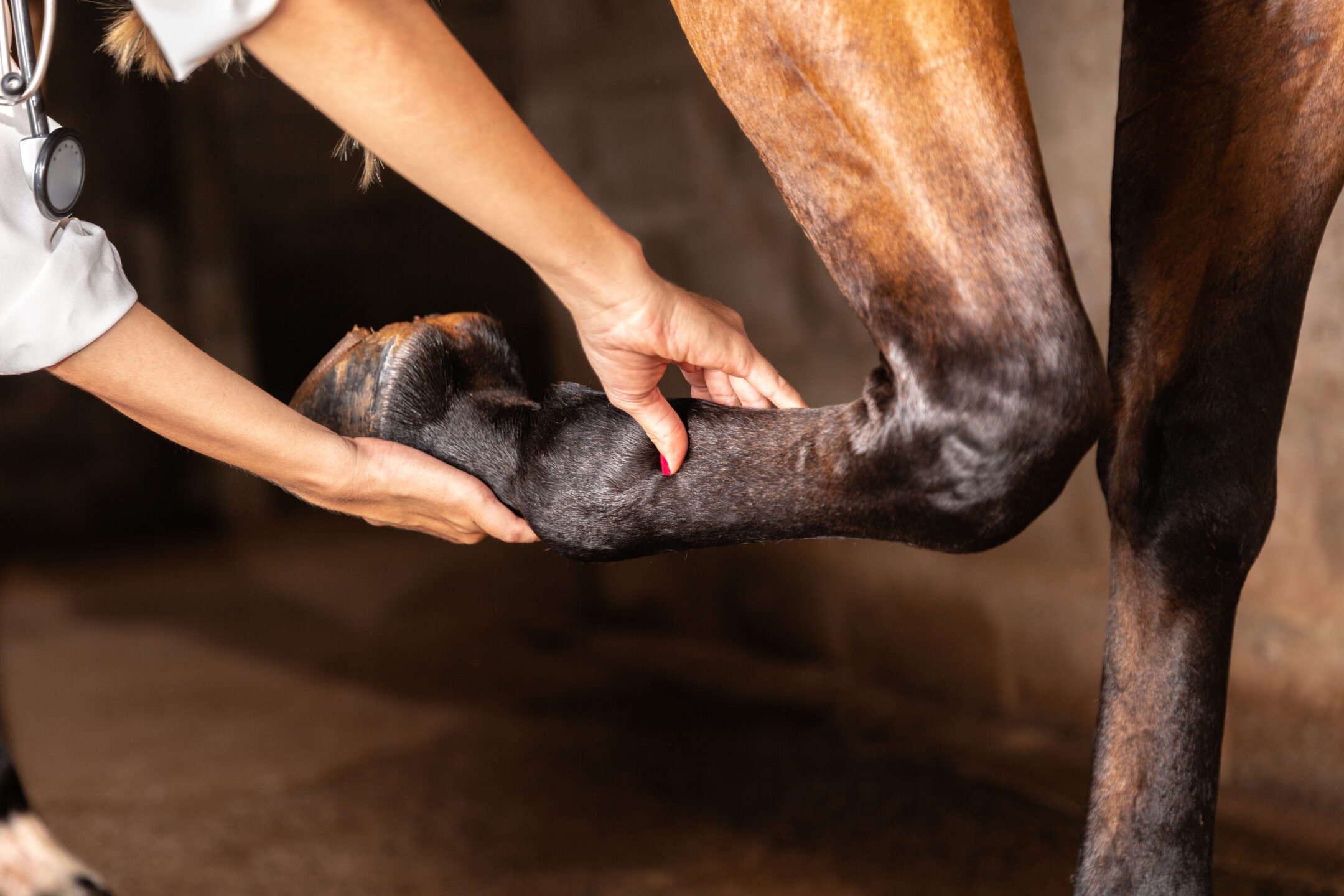
Skin infections are among the most common health problems in horses. Conditions such as dermatitis, folliculitis, and chronic pastern lesions are frequently encountered in both sport and leisure horses. They are often seen as minor issues, yet they represent one of the main reasons for repeated antibiotic use in equine practice.
At the centre of this problem lies Staphylococcus aureus, a bacterium that is not part of the normal skin flora in healthy horses but becomes prevalent when the skin barrier is compromised. Scientific studies have shown that this bacterium is frequently isolated in horses suffering from chronic skin conditions, particularly pastern dermatitis.
Beyond treatment: understanding resistance
The real concern is not the infection itself, but the increasing ability of bacteria to survive antibiotic treatment. Over time, repeated or inappropriate use of antimicrobials has led to the emergence of resistant strains, including methicillin-resistant Staphylococcus aureus (MRSA).
MRSA deserves particular attention in the equine world because of its zoonotic potential. It can colonize both horses and humans, allowing transmission between animals, veterinary staff, grooms, and owners. Horses may carry the bacterium without showing clinical signs, making detection and control more complex.
Research indicates that hospitalization, recent antibiotic treatments, and close contact with other colonized horses increase the likelihood of MRSA carriage. In this context, equine facilities can inadvertently become environments that support bacterial circulation if preventive measures are not in place.
Rethinking dermatological management
Equine skin infections are rarely isolated events. They are often secondary to underlying conditions such as allergies, environmental moisture, parasites, or management issues. If these primary causes are not addressed, infections tend to recur, leading to repeated antibiotic courses and increased resistance pressure.
This has prompted a shift in veterinary thinking. Responsible antibiotic use, often referred to as antimicrobial stewardship, emphasizes accurate diagnosis, targeted therapy, and the use of systemic antibiotics only when truly necessary.
Topical treatments have gained renewed attention as an effective tool, particularly for superficial infections. Chlorhexidine-based therapies, when used correctly, can significantly reduce bacterial load and limit the need for systemic drugs. This approach not only benefits the individual horse but also contributes to a broader effort to slow the spread of resistance.
A shared responsibility
Riders and owners play a crucial role in this process. Recognizing early signs of skin disease, seeking veterinary advice promptly, and following treatment protocols carefully are essential steps. Simple management practices, such as maintaining clean environments and avoiding the unnecessary sharing of equipment, can also make a meaningful difference.
Antibiotic resistance is not a distant or theoretical issue. It is a shared challenge that requires awareness, cooperation, and informed decision-making. In the equestrian world, addressing it responsibly means safeguarding the health of horses today and preserving effective treatments for the future.
Scientific References
Marsella R. Antibiotic resistance in equine dermatology: what should we do? Journal of the American Veterinary Medical Association, 2025.
Kaiser-Thom S. et al. Prevalence and characteristics of Staphylococcus aureus in horses with pastern dermatitis. BMC Veterinary Research, 2022.
Weese J.S. et al. Methicillin-resistant Staphylococcus aureus in horses and horse personnel. Emerging Infectious Diseases, 2005.
Maddox T.W. et al. Antimicrobial resistance in bacteria from horses. Equine Veterinary Journal, 2015.
© Rights Reserved.