
The Enduring Horse Culture of Morocco: El Jadida at the Heart of a National Equestrian Legacy

Morocco’s equestrian heritage is one of the richest in the Arab world and North Africa—a living tradition shaped over centuries by tribal customs, royal patronage, and the celebrated Arab-Barb horse. Across the country, the horse is not merely a companion animal; it is a marker of identity, power, and artistry. This heritage reaches one of its most vivid expressions in El Jadida, a city renowned for hosting some of the nation’s most prestigious equestrian events, particularly the final stage of the Moroccan Royal Tour.
A Historical Bond Between Moroccans and Horses
The roots of Moroccan horsemanship stretch deep into the country’s Amazigh and Arab history. For tribes across the plains and mountains, horses were essential for survival—used for travel, warfare, trade, and prestige. With time, this relationship evolved into an art form preserved in:
- Tbourida (Fantasia): a synchronized equestrian performance that blends athletic skill with ritual precision.
- Traditional breeding: especially the development and preservation of the Arab-Barb, a breed known for speed, endurance, and a noble profile.
- Royal and tribal stables, which historically maintained breeding lines and protected equestrian knowledge.
Horses also hold a strong place in Moroccan poetry, songs, folklore, and ceremonial life. They symbolize bravery, beauty, loyalty, and social status.
El Jadida: A Coastal City Where Tradition Meets Modern Equestrian Excellence
El Jadida has long stood as one of Morocco’s most active centers of equestrian tradition. Situated along the Atlantic coast, the city combines Portuguese-influenced architecture with deep-rooted rural and tribal culture. This cultural blend helped shape El Jadida into a unique equestrian capital.
A Hub for Breeders and Equestrian Professionals
Breeders from nearby Doukkala and Abda—regions known for producing powerful Arab-Barb horses—frequently gather in El Jadida for trade fairs, competitions, and exhibitions. The city’s events attract:
- Horse breeders showcasing bloodlines
- Veterinarians and equine specialists
- Saddle makers, artisans, and farriers
- Tbourida troops from all over Morocco
Local families often raise horses across generations, passing down knowledge of feeding, training, and grooming like an inherited treasure.
The Parc d’Expositions: Morocco’s Premier Equestrian Venue
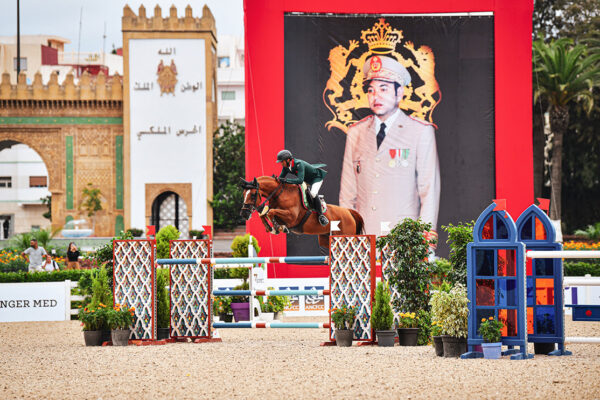
El Jadida’s Parc d’Expositions has become a national landmark, hosting some of Morocco’s largest equestrian and agricultural fairs. Each year, the complex transforms into a vibrant meeting point for thousands of visitors, turning the city into a celebration of Moroccan horsemanship.
The venue includes:
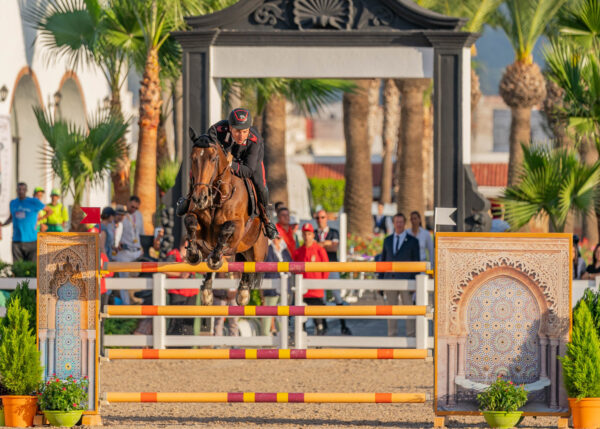
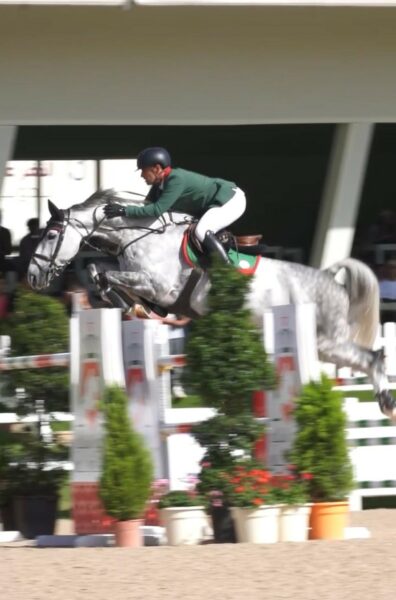
- International-standard arenas for show jumping
- Exhibition spaces for equestrian products and craftsmanship
- Areas dedicated to tbourida troops
- Zones for educational workshops, conferences, and breed presentations
This combination allows El Jadida to showcase both the modern sport of show jumping and the deep-rooted traditions of Moroccan horse culture.
The Moroccan Royal Tour: A Three-Show Circuit Celebrating Excellence
The Moroccan Royal Tour (MRT) is one of the most prestigious equestrian circuits in Africa and the Arab world. Established with royal support, the tour aims to elevate Morocco’s presence in global equestrian sport while strengthening local traditions.
Three Key Shows
The Royal Tour is structured around three consecutive international competitions held in different Moroccan cities. Each show features world-class riders, high-level jumping courses, and competitive CSI-rated events.
While the hosting cities may vary slightly from year to year, the structure remains consistent:
- First Show – Opening stage in a northern or central Moroccan city
- Second Show – A mid-tour event showcasing modern equestrian sport
- Third Show in El Jadida – The final and most emblematic stage, held alongside the city’s renowned horse fair
Why El Jadida Is the Grand Finale
The El Jadida leg of the tour has a special importance because:
- It coincides with the city’s major equestrian exhibition.
- It brings together both modern international sport and traditional Moroccan tbourida.
- The coastal audience is known to be deeply passionate about horses.
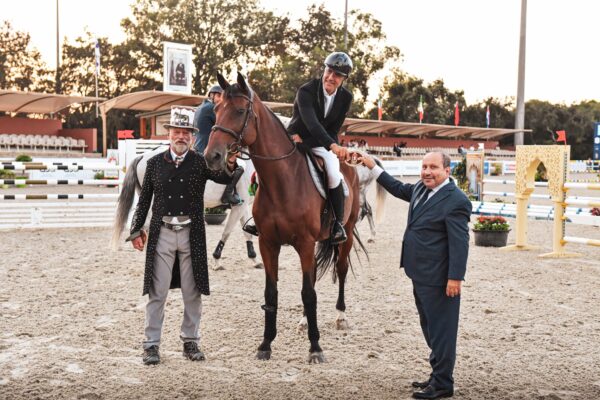
- Breeders and experts from all regions gather for the closing ceremonies.
For riders, finishing the Royal Tour in El Jadida is more than a competition—it is a cultural immersion into Morocco’s equestrian soul.
Cultural and Economic Benefits of the Royal Tour
The Moroccan Royal Tour provides significant benefits for both the equestrian world and Moroccan society more broadly.
1. Preservation of Cultural Heritage
By showcasing tbourida alongside international sport, the tour ensures that ancestral practices remain alive and respected. It provides a stage where tradition and modernity coexist.
2. Global Recognition
The MRT attracts elite riders, trainers, and teams from Europe, the Middle East, and Africa. This raises Morocco’s profile as a competitive equestrian destination and encourages future investment.
3. Economic Development
During the tour, local businesses thrive:
- Hotels and restaurants operate at full capacity
- Craftsmen (saddle makers, artisans, leatherworkers) increase sales
- Transportation, catering, and security services all benefit
The event strengthens local economies, especially in host cities like El Jadida.
4. Youth Education and Inspiration
Young Moroccan riders gain exposure to international standards, inspiring new generations to pursue equestrian sports, veterinary science, and stable management with professional ambition.
The Horse in Moroccan Society Today
Across Morocco, the horse remains a cultural icon:
- In rural areas, it represents heritage, hard work, and connection to the land.
- In urban areas, it embodies elegance, tradition, and national pride.
- In festivals and ceremonies, the horse symbolizes power and beauty.
The Moroccan Arab-Barb breed, prized for centuries, continues to be a symbol of the nation’s equestrian identity.
In El Jadida especially, the horse is more than a symbol—it is part of community life. Families attend shows together, children grow up fascinated by tbourida, and breeders invest years into perfecting their bloodlines. The presence of the Moroccan Royal Tour in the city strengthens this connection even further, making El Jadida a living museum of Moroccan horsemanship.
A Heritage That Moves Forward
Morocco’s equestrian culture is not a relic of the past; it is a dynamic and evolving heritage. The Moroccan Royal Tour, with El Jadida as its culminating stage, showcases the country’s unique ability to honor ancient traditions while embracing modern sport. As spectators gather to watch the final show each year, they witness not only athletic excellence but also a celebration of identity, pride, and the enduring spirit of the Moroccan horse.
Valentina Sozzi – Ph: Vs Media
© Rights Reserved.