


Equine-assisted therapy: when the equestrian world meets human wellbeing
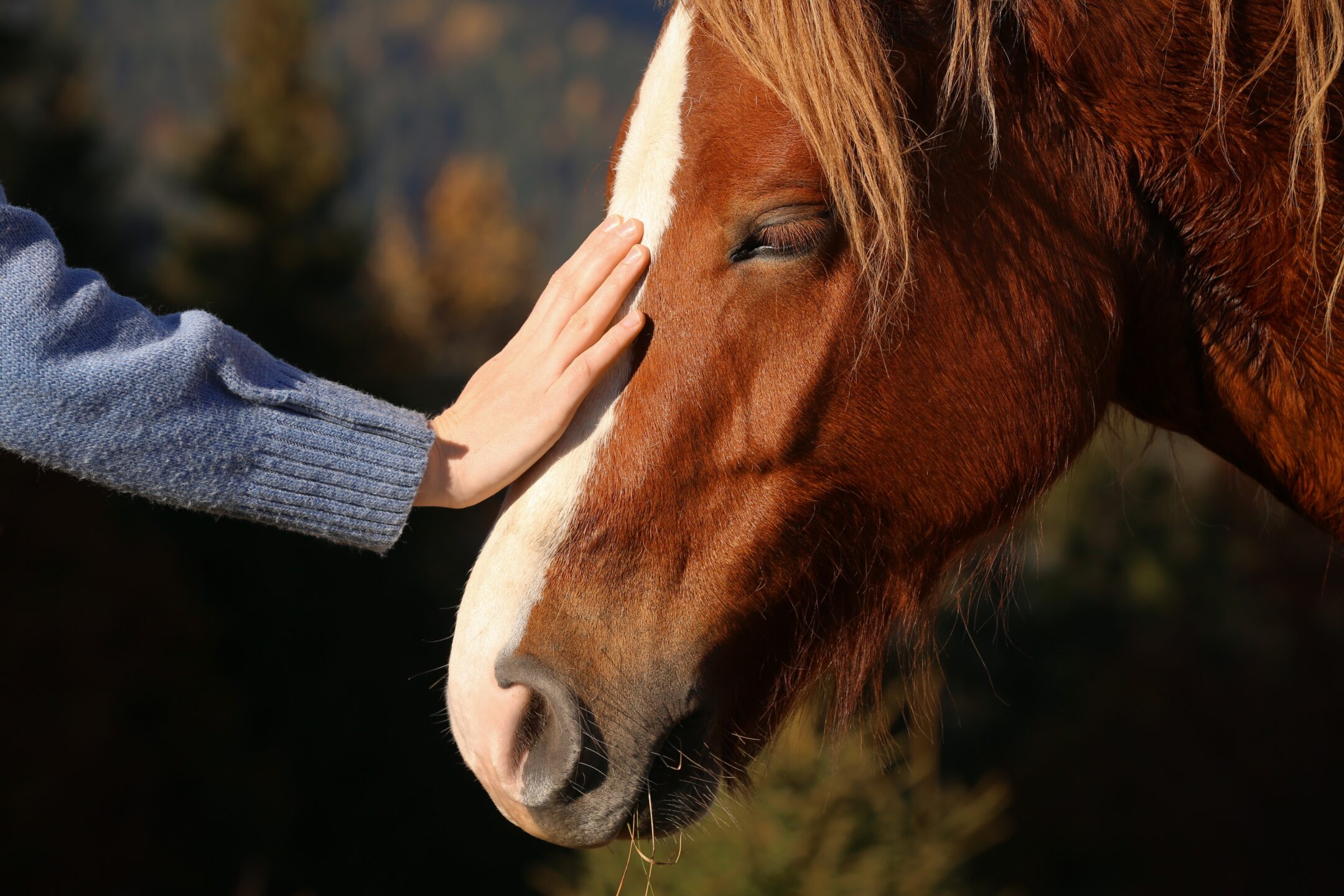
The bond between humans and horses has shaped history for thousands of years. From warfare to agriculture, from sport to leisure, the horse has always been more than an animal: a partner, a mirror, a source of connection. Today, this ancient relationship is finding new meaning through equine-assisted therapy, a growing field within animal-assisted interventions.
Equine-assisted services are increasingly recognized as valuable non-pharmacological interventions, supporting people with physical, emotional, and cognitive challenges. This approach not only concerns healthcare professionals, but also places the equestrian world at the center of an important cultural and social transformation.
What is equine-assisted therapy?
Equine-assisted therapy refers to structured and goal-oriented interventions involving horses, led by trained professionals. These programs may include mounted activities or ground-based interactions such as grooming, leading, observing, and communicating with the horse.
The horse is not a passive tool, but an active participant in the therapeutic process. Its sensitivity to human emotions and body language allows for immediate, honest feedback, fostering self-awareness, trust, and emotional regulation.
Why horses make a difference
Horses combine physical presence with emotional sensitivity. Their movement stimulates balance and coordination, while their relational nature supports emotional engagement and social interaction. This makes equine-assisted therapy suitable for a wide range of individuals, from children with developmental disorders to adults facing psychological distress and older adults with cognitive decline.
Equine-assisted therapy and dementia
One of the most promising areas of application involves people living with dementia. As drug treatments often have limited effectiveness and significant side effects, non-pharmacological approaches are increasingly encouraged.
A 2024 systematic review published in Alzheimer’s Research & Therapy examined the impact of equine-assisted services on people with dementia, reporting positive effects on emotional wellbeing, social participation, and quality of life
. Participants showed improved mood, reduced agitation, and greater engagement during and after sessions.
Supporting caregivers and families
Equine-assisted therapy does not benefit only the person with dementia. Caregivers often describe these programs as meaningful shared experiences, offering moments of connection and relief from the daily burden of care. This relational dimension is a key strength of equine-assisted interventions.
The responsibility of the equestrian sector
As equine-assisted therapy grows, the equestrian community plays a crucial role. Not every horse or facility is suitable for therapeutic work. Proper training, ethical standards, animal welfare, and interdisciplinary collaboration are essential.
When done correctly, equine-assisted therapy transforms riding centers into inclusive spaces of care, where horses contribute to human wellbeing while being respected as sentient partners.
Looking ahead
While further research is needed, current evidence supports equine-assisted therapy as a meaningful complement to traditional care. For the equestrian world, this represents a unique opportunity to combine passion, professionalism, and social impact, reaffirming the horse’s role as a bridge between body, mind, and emotion.
Scientific references
Sebalj M., Lakhani A., Grindrod A., Stuckey R. Equine-assisted services for people living with dementia: a systematic review. Alzheimer’s Research & Therapy, 2024.
Yakimicki M.L. et al. Animal-assisted intervention and dementia: a systematic review. Clinical Nursing Research, 2019.
Batubara S.O. et al. Effects of animal-assisted interventions for people with dementia: a systematic review and meta-analysis. Geriatric Nursing, 2022.
Kendall E. et al. A systematic review of the efficacy of equine-assisted interventions on psychological outcomes. European Journal of Psychotherapy & Counselling, 2015.
© Rights Reserved.