

The Silent Strength of the Horse: Equine-Assisted Therapy in Trauma Recovery
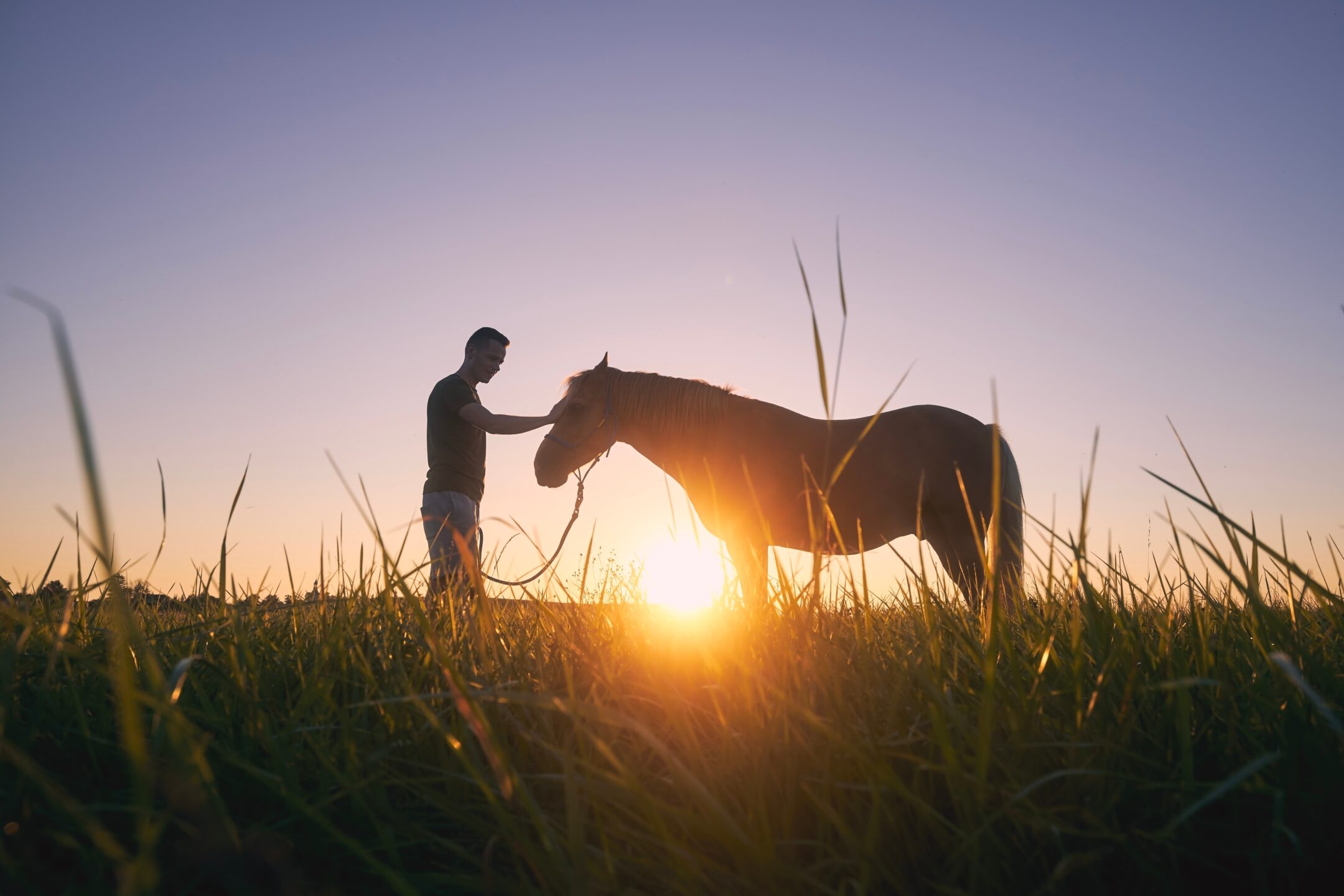
In the equestrian world, horses are often celebrated as athletes and partners in sport. Yet, beyond competitions and training arenas, horses are increasingly recognized for another, deeply meaningful role: supporting people on their journey of psychological healing after trauma. Equine-assisted therapy has gained international attention as an integrative approach that combines mental health care, human–animal interaction, and the restorative power of nature.
For individuals who have experienced traumatic events—such as accidents, loss, violence, or work-related trauma—traditional talk therapy can sometimes feel limiting. Equine-assisted therapy offers a different path, one that engages the body, emotions, and relationships in a direct and experiential way.
How equine-assisted therapy works
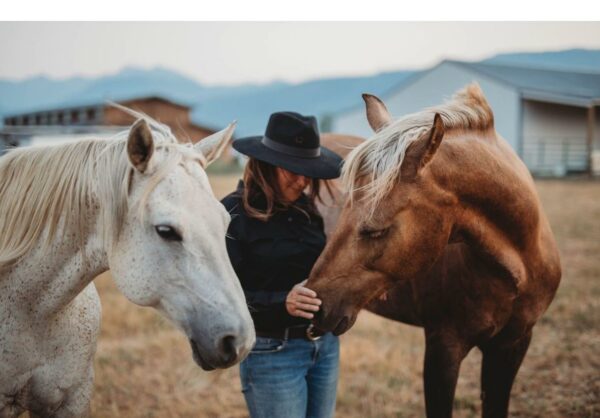
Equine-assisted therapy is not about riding or learning technical horsemanship skills. Sessions usually take place on the ground and are guided by licensed mental health professionals working alongside trained equine specialists. The horse becomes an active participant in the therapeutic process.
Horses are highly sensitive animals. They respond instantly to human body language, tension, and emotional states. This natural sensitivity allows them to mirror what a person may be feeling internally, often before that person is consciously aware of it. In therapy, this feedback helps individuals recognize emotional patterns, regulate stress, and develop a stronger sense of self-awareness.
Trauma, regulation, and the role of the horse
Trauma often disrupts the nervous system, leaving people in a constant state of alert or emotional shutdown. Horses, as prey animals, are experts in reading their environment and seeking safety. When interacting with a horse, individuals are gently encouraged to slow down, breathe, and become present. This process supports emotional regulation and helps rebuild a sense of safety.
Research supports these observations. Studies involving veterans, first responders, and civilians with PTSD have shown that equine-assisted therapy can reduce trauma-related symptoms, depression, and anxiety, while increasing mindfulness and trust in oneself and others.
Why this approach resonates with equestrian enthusiasts
For those who already know horses, the effectiveness of equine-assisted therapy often feels intuitive. Anyone who has spent time in a stable understands how horses react to human emotions. Therapy simply brings this natural dynamic into a structured healing context, guided by professionals.
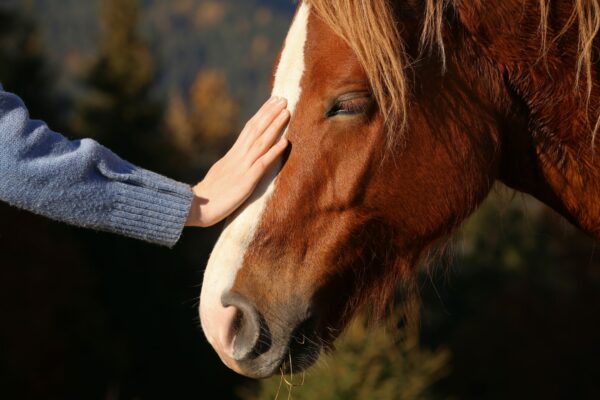
Many participants with no previous equestrian experience report forming a deep connection with the horse, sometimes describing it as the first relationship in which they felt truly seen and accepted after trauma.
Beyond therapy: connection, nature, and meaning
Equine-assisted therapy also benefits from its setting. Conducted in open, natural environments, it offers a contrast to clinical spaces. Nature, movement, and meaningful interaction combine to create a holistic experience that supports psychological recovery.
As awareness grows, equine-assisted therapy is increasingly seen as a valuable complement to traditional trauma treatment. For the equestrian world, it represents an opportunity to highlight the horse’s emotional intelligence and to promote ethical, welfare-centered practices that respect both human and animal well-being.
Scientific references
- Nelson, C., Dossett, K., & Walker, D. L. (2022). Equine-Assisted Therapy for Posttraumatic Stress Disorder Among First Responders. Psychological Reports.
- Earles, J. L., Vernon, L. L., & Yetz, J. P. (2015). Equine-assisted therapy for anxiety and posttraumatic stress symptoms. Journal of Traumatic Stress.
- Romaniuk, M., Evans, J., & Kidd, C. (2018). Evaluation of an equine-assisted therapy program for veterans. PLOS ONE.
- Shelef, A. et al. (2019). Equine assisted therapy for patients with PTSD. Military Medicine.
© Rights Reserved.