

Equine intestinal parasites: moving from routine deworming to smarter control
For many years, control of equine intestinal parasites followed a simple and reassuring routine: deworm every few months and assume the problem was under control. Today, this approach is being seriously questioned. Equine intestinal parasites have not disappeared; instead, they have adapted, becoming more resistant and increasingly difficult to manage.
In recent years, veterinarians and researchers worldwide have reached a shared conclusion: the future of equine parasite control lies in informed decision-making, not in frequent treatments. This is why international equine parasite control guidelines are reshaping how owners and professionals approach this crucial aspect of horse health.
A science-driven change in perspective
Modern guidelines developed by organizations such as the American Association of Equine Practitioners and ESCCAP emphasize that there is no universal deworming schedule. Each horse, stable, and environment presents unique conditions that must be evaluated before administering any antiparasitic drug.
The key concept is surveillance-based control. Instead of treating all horses at fixed intervals, treatments are based on diagnostic results and real risk assessment, reducing unnecessary drug use.
Understanding today’s parasites
Small strongyles, ascarids, and equine tapeworms remain the main parasites of concern. In many adult horses, low parasite burdens cause no visible clinical signs. However, under certain circumstances, these parasites can lead to weight loss, diarrhea, colic, and even life-threatening conditions.
Research has clearly shown that infection does not automatically mean disease. This awareness has fundamentally changed how parasite control programs are designed.
Anthelmintic resistance: a growing global issue
One of the strongest drivers behind this shift is anthelmintic resistance. Studies worldwide have documented reduced efficacy of several deworming drugs, a direct consequence of years of frequent and untargeted treatments.
Overuse of antiparasitic drugs has unintentionally selected stronger parasite populations, threatening the long-term effectiveness of available medications. This is no longer a theoretical risk, but a practical challenge faced by veterinarians and horse owners alike.
Diagnostics at the center of modern control
Fecal egg counts are now a cornerstone of responsible parasite management. Rather than treating blindly, horses are monitored, and only those shedding significant numbers of parasite eggs are treated.
This approach protects drug efficacy, reduces environmental contamination, and ensures that horses receive treatment only when it is truly beneficial.
Pasture management matters
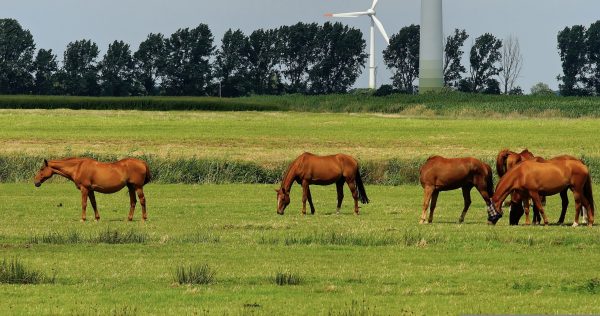
Guidelines also highlight the importance of daily management practices. Regular manure removal, appropriate stocking density, and thoughtful pasture rotation significantly reduce parasite transmission.
Parasite control is no longer just about medication; it is an integral part of overall horse management, alongside nutrition, training, and welfare.
Working together for healthier horses
A key message from modern guidelines is the importance of collaboration between horse owners and veterinarians. Decisions based on diagnostic data and shared understanding lead to more effective and sustainable parasite control strategies.
This partnership-based approach requires awareness and education but results in healthier horses and more responsible use of treatments.
A new direction for the equestrian world
Equine parasite control is undergoing a quiet but profound revolution. Moving away from outdated routines toward evidence-based strategies represents a major step forward for horse welfare.
For riders, owners, and equestrian enthusiasts, embracing this change means contributing to the long-term health of horses and preserving the effectiveness of vital medications for future generations.
Scientific References
Nielsen M.K. et al., Global equine parasite control guidelines: Consensus or confusion? International Journal for Parasitology: Drugs and Drug Resistance, 2025.
Kaplan R.M. et al., WAAVP guidelines for diagnosing anthelmintic resistance, Veterinary Parasitology, 2023.
Nielsen M.K., Anthelmintic resistance in equine nematodes, International Journal for Parasitology: Drugs and Drug Resistance, 2022.
Lawson A.L. et al., Larval cyathostominosis in horses, Equine Veterinary Education, 2023.
© Rights Reserved.