

The Evolution of Equestrian Helmets and FEI Safety Regulations

Equestrian sport combines athleticism, precision, and partnership between horse and rider, but it also carries inherent risks. Among the most important safety developments in the history of horse sport is the evolution of protective helmets. Over time, advancements in technology, injury research, and governing body regulations — particularly from the Fédération Équestre Internationale (FEI) — have transformed helmets from optional equipment into mandatory safety gear across nearly all disciplines.
Early Equestrian Headgear: Tradition Over Protection
For centuries, equestrian headwear reflected status and discipline rather than safety. During the 18th and 19th centuries, riders in formal disciplines such as dressage and hunting traditionally wore top hats or bowler hats. While these styles became iconic within equestrian culture, they provided little protection from head injuries.
The first attempts at protective riding helmets emerged in the early 20th century, primarily in horse racing. By the 1920s and 1930s, jockeys began wearing padded helmets made from cork and fabric. However, these early designs lacked safety testing or standardized certification.
Growing Awareness of Rider Safety (1950s–1980s)
Between the 1950s and 1980s, medical research increasingly linked equestrian accidents with severe head trauma. During this period, helmet manufacturers began developing hard-shell helmets with foam liners designed to absorb impact. Despite these improvements, helmet use remained inconsistent and was often optional, especially in disciplines that prioritized tradition and formal presentation.
The FEI, founded in 1921, initially placed limited emphasis on mandatory protective equipment. Safety rules were largely discipline-specific and left significant responsibility to national federations and individual competition organizers.
The FEI Begins Formal Helmet Requirements
1980s–1990s: Early Safety Recommendations
During the 1980s, the FEI began issuing stronger safety recommendations, particularly in high-risk disciplines such as eventing. Cross-country riding posed significant dangers due to speed, fixed obstacles, and unpredictable terrain.
By the early 1990s, helmets meeting recognized safety standards became widely required for cross-country phases of FEI eventing competitions. This marked one of the first major steps toward mandatory helmet enforcement at the international level.
2001: Mandatory Helmets in FEI Eventing Cross-Country
A major regulatory milestone occurred in 2001, when the FEI formally required riders competing in cross-country phases of eventing to wear protective helmets meeting approved safety standards. This rule was implemented in response to rising concerns over rider fatalities and severe head injuries.
This regulation also emphasized proper helmet retention systems, ensuring helmets remained secure during falls.
2004–2006: Expansion of Helmet Safety Standards
Between 2004 and 2006, the FEI strengthened equipment rules by requiring helmets to meet internationally recognized certification standards. Approved standards included:
- ASTM/SEI (North America)
- PAS 015 (United Kingdom)
- EN 1384 (Europe)
These updates ensured helmets underwent laboratory testing for impact absorption, penetration resistance, and strap security.
Increased Safety Reforms Following Rider Fatalities
2009–2011: Major Eventing Safety Review
Several high-profile rider fatalities between 2007 and 2010 prompted the FEI to conduct a comprehensive eventing safety review.
In 2011, the FEI introduced stricter helmet certification requirements and began encouraging research into rotational brain injuries and concussion prevention. The organization also strengthened rules requiring helmets during all phases of eventing competitions, including warm-ups.
Helmet Requirements Expand Across Disciplines
Show Jumping
By the early 2010s, helmets were already required during FEI show jumping competitions and training sessions at international events. Although many national federations had earlier mandates, FEI enforcement standardized safety globally.
Endurance Riding
Helmets became compulsory in FEI endurance competitions during the late 2000s and early 2010s, particularly due to the risks associated with long-distance riding and rider fatigue.
Dressage: The Most Notable Cultural Shift
Dressage historically maintained the strongest resistance to helmets due to tradition and formal attire.
2013: Helmets Permitted as Alternative to Top Hats
In 2013, the FEI allowed riders to wear protective helmets instead of traditional top hats in international dressage competition. This rule change followed several serious rider accidents and reflected shifting attitudes toward safety.
Although helmets were permitted, many elite riders initially continued wearing top hats, particularly at championship and Grand Prix levels.
2021: Helmets Become Mandatory in Most FEI Dressage Situations
A major turning point occurred in 2021, when the FEI made helmets mandatory for all dressage riders during prize-givings and mounted activities at international competitions. Riders were no longer allowed to wear top hats while mounted at FEI events.
This rule represented one of the most symbolic safety shifts in modern equestrian sport, demonstrating the FEI’s prioritization of rider welfare over tradition.
2023–2024: Updated Helmet Certification Rules
The FEI continues to revise safety equipment requirements as technology improves. In 2023, updated helmet rules required helmets to comply with newer and more rigorous certification standards, including:
- PAS 015:2011
- VG1 01.040 2014-12
- ASTM F1163 (with SEI certification)
- SNELL E2016 or newer
These standards introduced improved testing for impact distribution, penetration resistance, and retention strength.
The FEI also reinforced recommendations that helmets be replaced after significant impacts or after manufacturer-recommended lifespans, typically five years.
Advances in Helmet Technology
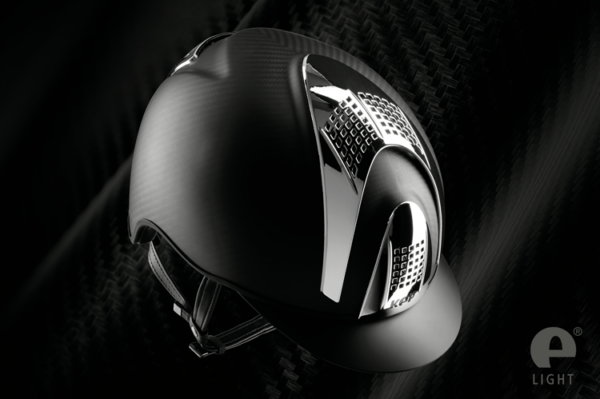
As regulations strengthened, helmet manufacturers responded with major technological innovations, including:
- Expanded polystyrene (EPS) foam liners for impact absorption
- Carbon fiber and composite outer shells
- Ventilation systems improving rider comfort
- Adjustable fit systems
- Rotational impact protection technologies such as MIPS
These improvements made helmets safer, lighter, and more acceptable to riders across disciplines.
The Broader Cultural Shift Toward Safety
The evolution of FEI helmet regulations reflects a broader transformation within equestrian sport. Riders, trainers, and governing bodies increasingly recognize the importance of injury prevention. Youth programs, riding schools, and national federations now commonly require helmet use at all levels.
Professional riders and Olympic athletes openly promoting helmet use have also helped reshape public perception, making safety equipment both fashionable and responsible.
The Future of Helmet Regulations and Rider Safety
The FEI continues to invest in injury research and technological development. Future helmets may include smart features such as:
- Impact sensors that alert medical teams
- Improved concussion prevention materials
- Enhanced testing for rotational brain injuries
Ongoing collaboration between scientists, manufacturers, and governing bodies will likely continue to refine helmet safety standards
The journey from decorative equestrian headwear to mandatory protective helmets represents one of the most significant safety advancements in horse sport history. Since the early 2000s, the FEI has progressively strengthened helmet requirements across disciplines, culminating in widespread mandatory use by the early 2020s. Through regulatory reform, technological innovation, and cultural change, equestrian sport has significantly improved rider safety while preserving its rich traditions.
© Rights Reserved.