


Jeremy Steinberg on Dressage, Showjumping, and Building Horses for Long-Term Success
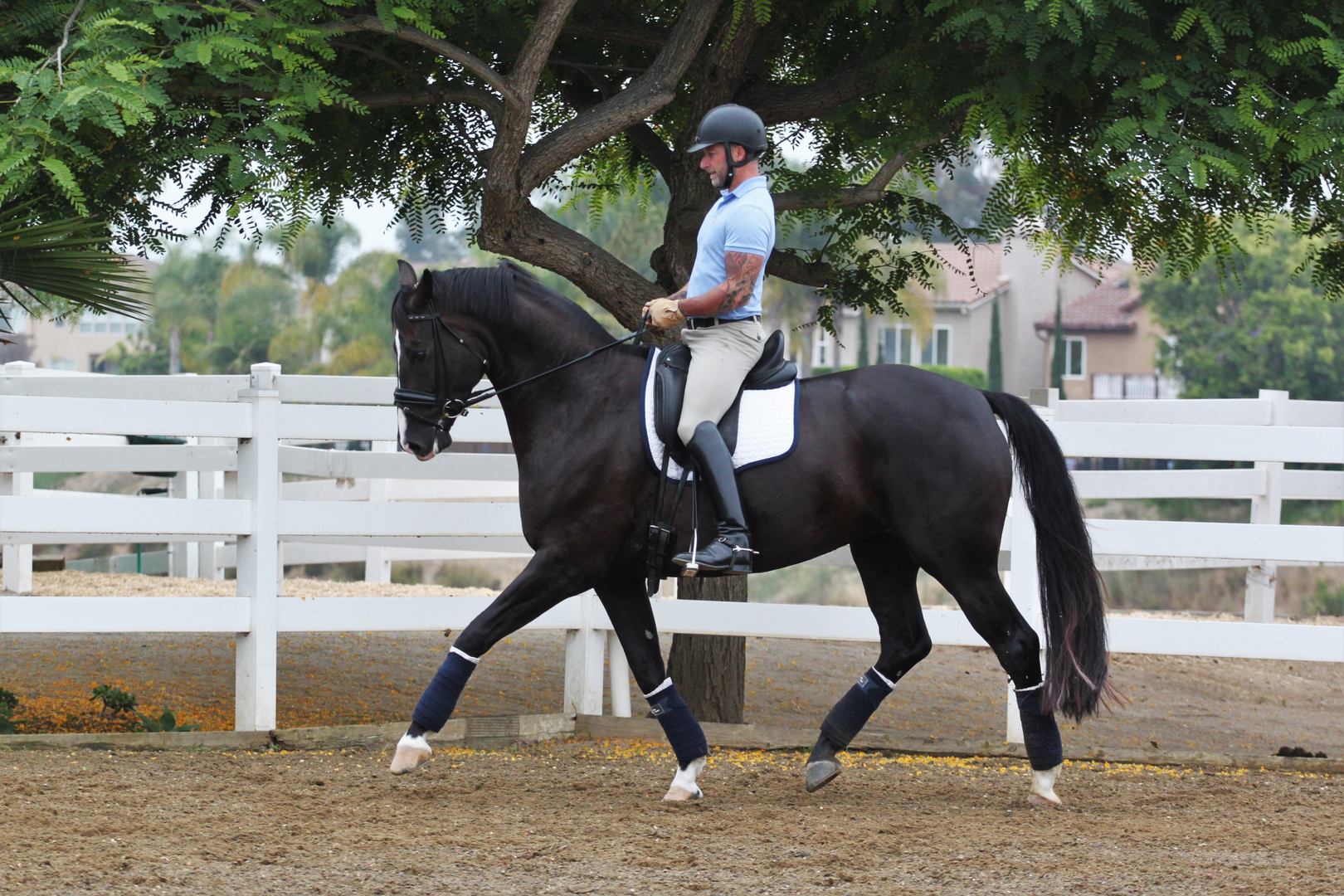
Jeremy Steinberg has trained and competed at Grand Prix level and works extensively with young horses and riders. In this interview, he shares practical dressage training tips, showjumping exercises, and strategies to keep horses sound over time.
Steinberg focuses on patience, repetition, and understanding both the horse’s mind and body. His approach helps riders who want steady progress and long-term results in dressage and showjumping.
Common gaps in horse development
Question: What are the most common gaps in horse development today?
“It’s the basics,” Steinberg says. “Horses lack strength, life skills, and structured training.”
Many riders rush the process. This creates horses that feel heavy in the hand, low in the poll, or resistant to contact.
“Most horses don’t need to feel tense or heavy,” he adds. “They are missing basic acceptance of the bit and understanding of contact.”
These gaps affect soundness and consistency at every level.
Correct dressage basics for long-term success
Question: What should correct basics look like in daily training?
“A horse should carry itself with very little help from the rider,” he says.
Key elements:
- Self balance without constant correction
- Consistent rhythm and tempo
- Light, elastic contact
- Quiet acceptance of the bit
“Use small, almost invisible aids,” he explains. “A horse should work its whole life in a snaffle.”
These basics support long-term development and reliable performance.
How riders improve consistently
Question: What separates riders who improve from those who stay stuck?
“The riders who improve study,” he says. “They ride with a plan.”
Strong habits include:
- Structured daily riding
- Patience and repetition
- Training both the horse and the rider physically and mentally
“You are training the horse’s brain as much as the body.”
Riders who do not improve often repeat mistakes. “Every movement has smaller parts. Fix those instead of repeating the problem.”
Assessing rideability and connection
Question: What do you assess when you ride a new horse?
Steinberg looks at balance and a responsive mouth.
He recalls a horse struggling with one-tempi changes:
“I didn’t do a single change. The horse was behind the leg and running through the hand.”
He returned to basics with transitions:
“Canter to walk to canter until the horse understood the half halt and softened through the back.”
Two weeks later, the rider regained the changes.
“Fix the system, not the symptom.”
Building elasticity without tension
Question: How do you develop elasticity and connection without tension?
Steinberg uses transitions in every ride.
Types of transitions:
- Within the gait to improve adjustability
- Between gaits to confirm responsiveness
“They work for both lazy and hot horses.”
Transitions also measure understanding. “Every half halt comes from a basic transition.”
Noviun Fibre Footing: impact on training and soundness
Question: How has the new surface affected your horses?
“What impressed me is the spring and feedback,” he says.
Practical benefits:
- Reduces strain on joints and soft tissue
- Supports balance, consistency, and connection
- Improves elasticity, suspension, and confidence
“The horses land on a cushioned but stable surface and can push off with power. It helps turn thrust into lift and ground cover.”
Students noticed the difference quickly. “It makes the work more effective.”
Common flatwork mistakes for showjumpers
Question: What mistakes do showjumpers make in dressage work?
“They expect results too fast.”
Flatwork takes time. Without patience, riders miss control, adjustability, and rhythm.
Weekly flatwork focus for showjumpers
Question: What should riders focus on each week?
Steinberg highlights stride control.
“You need to control length and tempo separately.”
If control is missing:
- Shortening without power weakens the stride
- Lengthening without control leads to poor distances
Straightness matters. “Crooked horses need lateral work to build symmetry and strength.”
Exercises for jumping performance and adjustability
Question: What exercises improve balance and adjustability?
Steinberg uses the “three dimensions of the stride”:
- Length
- Tempo
- Height
Riders work on a circle.
“Can you change tempo without changing length? Can you lengthen without affecting tempo? Can you add height without affecting the other two?”
The goal is full control. “Each dimension must be adjustable on its own, then combined when needed.”
Closing insight
Steinberg keeps the focus on fundamentals. Build carefully, develop the horse’s body and mind, and make each ride count for long-term soundness.
“Horses give you everything. You need to give them the right foundation first.”
© Rights Reserved.