


The Art and Science of Shoeing the Global Sport Horse: Balancing Performance, Travel, and the Barefoot Debate
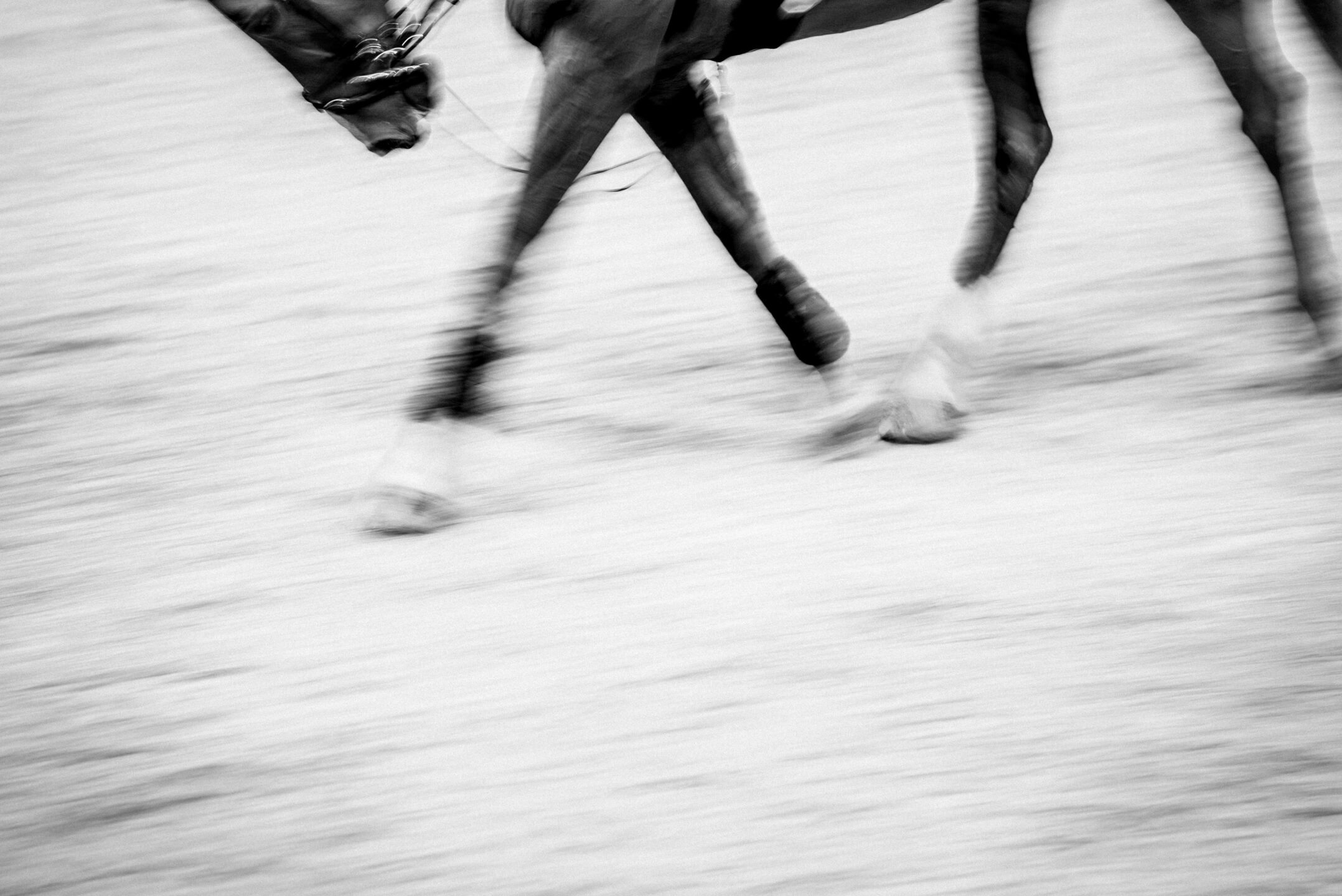
From the sandy arenas of Doha to the grassy showgrounds of Aachen, modern sport horses cross borders the way business travelers cross time zones. They fly, they compete, and they adapt—often faster than the humans who care for them. Yet no matter how elite their training or how impressive their pedigree, their performance still hinges on one simple truth: a sport horse is only as sound as its hooves.
In international competition, hoof care becomes a unique blend of craftsmanship, science, and management. Whether a horse wears steel shoes, aluminum race-plates, or nothing at all, the method must match a demanding lifestyle on the road. This evolving art raises important questions: What does correct shoeing look like for horses traveling the world? What are its limitations? And where does barefoot management fit into a high-performance career?
Shoeing the Traveling Athlete: More Than Metal
Correct shoeing isn’t about simply attaching a metal plate to a hoof — it’s about building a biomechanical foundation. A farrier must balance the hoof so it aligns with the horse’s conformation, protect it against impact and wear, and support movement that is both powerful and precise.
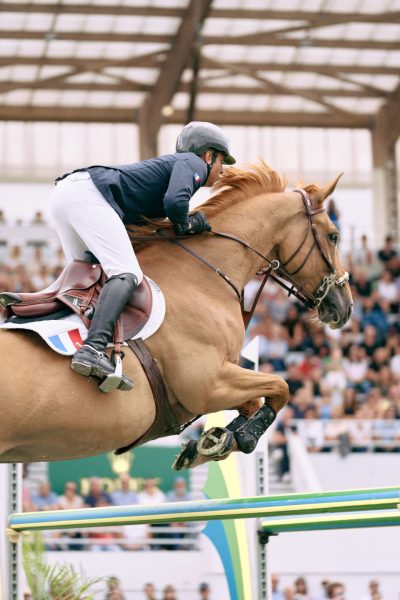
For the show jumper launching over 1.60m fences, shoes offer traction and strategic grip. For the eventer galloping over varied terrain, they protect the sole and prevent excessive wear. For the dressage horse, balance is king — the toe length and breakover point can influence everything from collection to suspension.
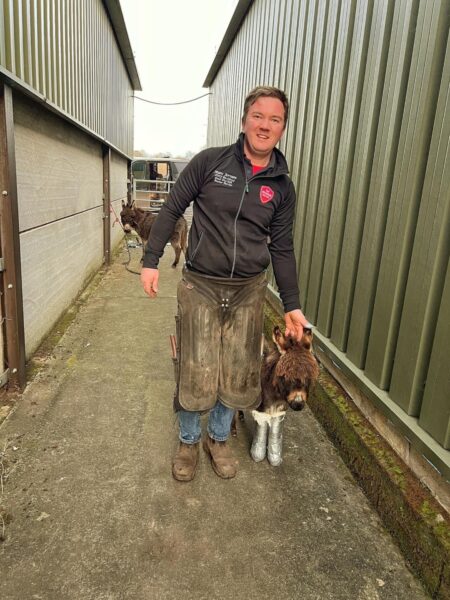
But when competition demands global travel, the equation becomes even more complex. Temperature shifts change hoof moisture; footing varies dramatically between continents; and long flights reduce limb circulation. In some cases, riders travel with their own farriers — their athletes depend on it.
The Benefits and Boundaries of Shoeing
Shoes offer reliable protection and performance enhancement, yet they come with trade-offs. They can reduce natural hoof expansion if poorly applied, and nails create small but real risks of wall damage. Costs rise sharply for teams that travel, especially when urgent shoeing is required abroad.
Still, shoes remain indispensable tools. Modern materials like aluminum, composite shoes, and shock-absorbing pads have opened the door to more individualized hoof care than ever before. With proper craftsmanship, shoes are not restraints — they are performance equipment.
Barefoot on the Big Stage: A Growing Movement
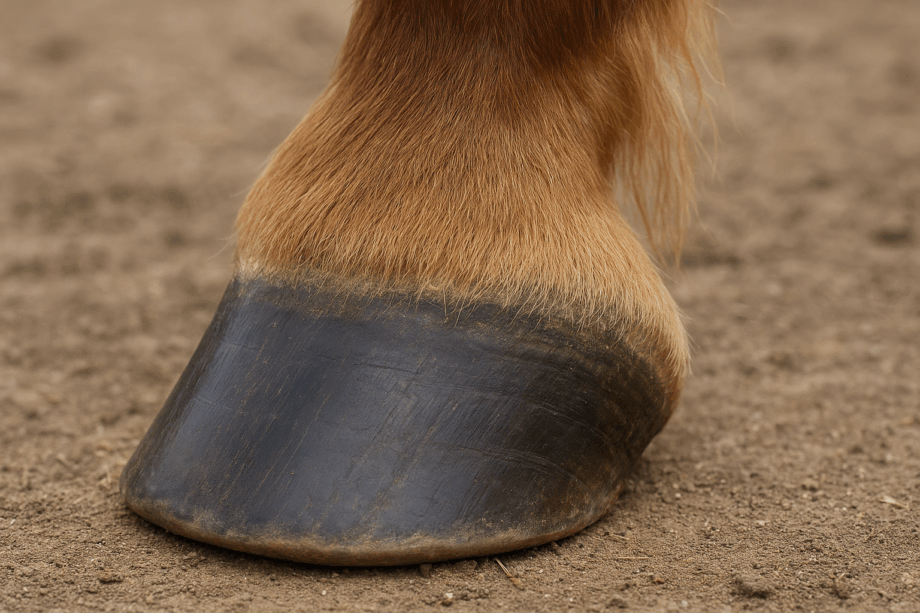
Not long ago, the idea of a barefoot dressage horse competing at top levels would have seemed radical. Today, it’s increasingly common. Barefoot horses benefit from greater circulation, proprioception, and natural flexibility of the hoof capsule. Many horses move more freely without metal, especially those with strong, wide, naturally healthy hooves.
However, the barefoot lifestyle is not universally ideal. Sport horses working on abrasive surfaces may wear their hooves faster than they grow. Jumpers requiring stud holes for traction are often better off shod. Some horses simply lack the genetics to maintain performance barefoot. And transitioning a horse to barefoot requires patience, conditioning, and careful management — something not always possible on a tight competition schedule.
Hoof boots offer a middle ground, providing removable grip and protection. But they come with rules: some disciplines and federations limit or prohibit their use in competition arenas.
Finding the Right Path for Each Athlete
There is no single correct philosophy in hoof care. What matters is matching the management to the individual horse — its conformation, workload, genetics, discipline, and environment. A top sport horse is a long-term project, shaped by collaboration between rider, trainer, veterinarian, and an elite farrier or trimmer.
The most effective teams treat hoof care not as a maintenance task, but as a strategic part of conditioning and performance. They ask questions, adapt to travel demands, and assess the horse’s comfort daily. They view the hoof not as a piece of equipment but as living tissue, constantly responding to pressure, climate, movement, and training.
Conclusion: Craft Meets Competition
In an era when horses cross oceans to compete, hoof care must be as sophisticated as their athletic training. Whether shod or barefoot, a horse’s hooves are both its foundation and its future. With expert hands, informed choices, and thoughtful management, sport horses can thrive across continents — confident in every stride.
After all, the passport may carry the name, but the hooves carry the horse.
Valentina Sozzi
© Rights Reserved.