

The Evolution of Sport Horses: How Bloodlines Changed Modern Equine Performance
Historical Origins of Sport Horses
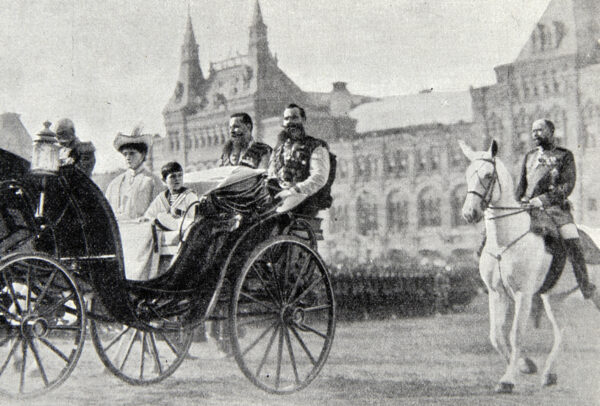
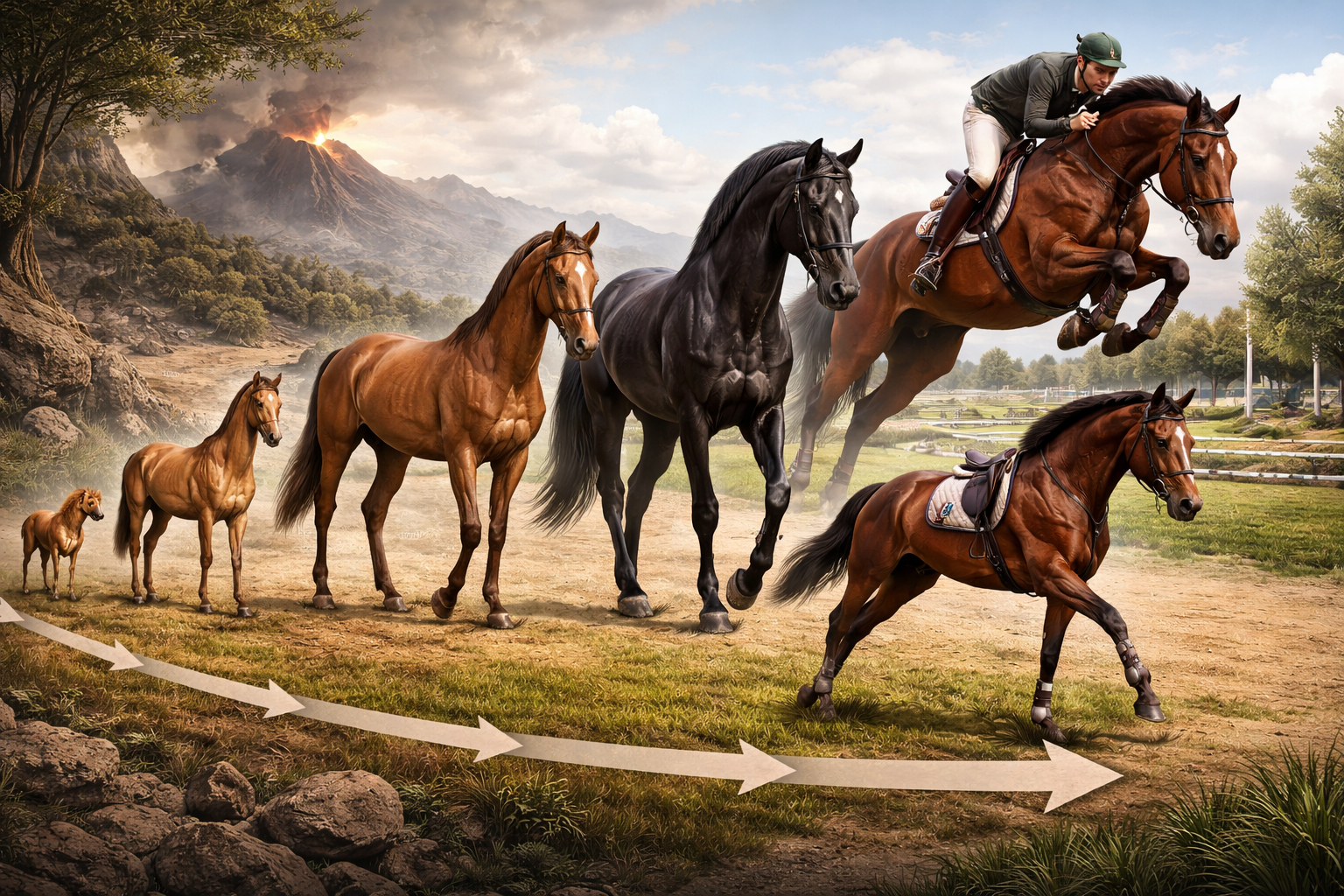
Modern sport horses were not originally bred for competition. Many descended from cavalry mounts and agricultural horses that needed strength, endurance, and reliability rather than speed or extreme athletic ability. These horses were heavier, with more bone and substance, suited to carrying soldiers or working long hours in the field.
The Transition to Competitive Performance
As equestrian competitions developed in the late 19th and early 20th centuries, the demands on horses began to change. Riders needed animals that were faster, more agile, and more responsive. This led breeders to gradually select lighter, more athletic individuals, marking the beginning of the modern sport horse
The Influence of Thoroughbred and Refinement
One of the most important shifts in sport horse breeding came with the introduction of lighter blood, especially from racing lines. This added speed, stamina, and refinement, producing horses that could jump with greater scope and move with more elasticity.
Development of European Warmbloods
European breeding programs began focusing specifically on performance horses rather than farm animals. Registries created structured selection systems, including inspections, performance testing, and pedigree tracking. Over time, this produced the specialized warmblood types commonly seen in sport today.
International Standards and Performance Selection
As international competitions grew, success in sport became the main driver of breeding value. Horses that performed well at championships passed on desirable traits, and their offspring became highly sought after. Organizations such as the Fédération Équestre Internationale (FEI) helped standardize competition worldwide, indirectly influencing breeding goals by defining the qualities needed to win.
The Rise of Proven Stallions and Dam Lines
Modern breeding places strong emphasis not only on famous stallions but also on maternal lines. Successful mare families often produce multiple generations of top athletes, showing the importance of genetics beyond a single sire.
Show Jumping Horses
Jumping horses are bred for explosive power, careful technique, and quick reflexes. They tend to be reactive, energetic, and highly athletic, with strong hindquarters for takeoff.
Dressage Horses
Dressage breeding focuses on movement quality, elasticity, and the ability to collect. These horses often show expressive gaits, natural balance, and sensitivity to aids.
Eventing Horses
Eventing requires versatility. Horses must combine endurance, bravery, jumping ability, and rideability, making this discipline one of the most demanding from a breeding perspective.
Modern Breeding Technologies
Artificial insemination, embryo transfer, and frozen semen transport have transformed horse breeding. Breeders can now access elite bloodlines from around the world without moving the horse itself, accelerating genetic progress.
Selection for Soundness and Longevity
Veterinary science and biomechanics research have also influenced breeding priorities. Soundness, durability, and mental stability are increasingly valued alongside athletic performance.
The Modern Sport Horse and Future Trends
Today’s sport horses are more specialized, athletic, and sensitive than ever before. Breeding continues to evolve, with increasing attention to rideability, welfare, and long-term soundness. While the goals of competition remain high performance and success, there is growing recognition that sustainable breeding must balance athletic ability with health and well-being.
The evolution of sport horse bloodlines reflects decades of careful selection, scientific progress, and changing athletic demands. From cavalry mounts to Olympic champions, the horse has transformed into one of the most refined animal athletes in the world.
VALENTINA SOZZI
© Rights Reserved.