
Understanding Horse Insurance: Types, Benefits, and Key Differences

Horse ownership—whether for pleasure, breeding, or sport—is a significant emotional and financial investment. Like any valuable asset, horses face risks: illness, injury, theft, accidents, or loss of use. Horse insurance helps protect owners from unexpected financial consequences and ensures the best possible care for the animal.
This article explains the major types of horse insurance, what each covers, and how policies differ for sport horses, leisure horses, breeders, and even equine embryos.
Why Horse Insurance Is Important
Horses are costly to purchase and maintain. When something goes wrong, veterinary care or financial loss can be substantial. Insurance is beneficial because it:
- Covers expensive medical treatments and surgeries
- Protects against financial loss from death, theft, or permanent disability
- Ensures competitive sport horses can receive specialized care
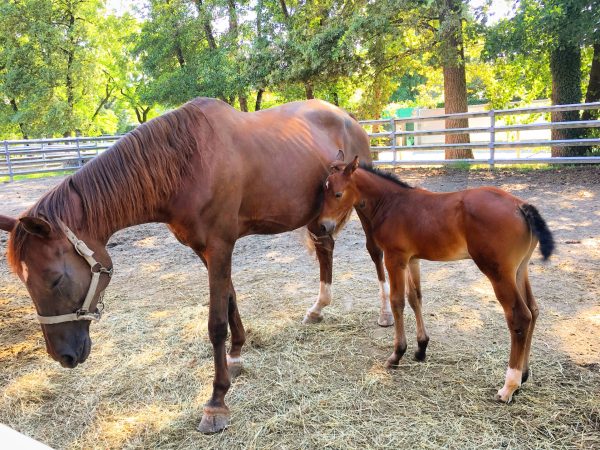
- Supports breeders with coverage for pregnancy, foals, and embryo transfer
- Provides peace of mind during travel or transportation
In short, horse insurance safeguards both the animal’s welfare and the owner’s financial stability.
Main Types of Horse Insurance
Different types of coverage can be purchased individually or combined into comprehensive policies.
1. Mortality Insurance
This is the foundation of most equine insurance policies.
Covers:
- Death due to accident, illness, or disease
- Theft
- Sometimes humane destruction based on veterinary recommendation
Applies to: any horse—pleasure, sport, breeding, or retired.
2. Major Medical / Surgical Insurance
Covers veterinary costs, including diagnostics and operations.
Typically includes:
- Colic surgery (a major expense)
- Lameness diagnostics
- Injuries and wounds
- Hospitalization
- Medication and follow-up care
This is one of the most valuable coverages, as equine veterinary bills can reach thousands.
3. Loss-of-Use Insurance
For professional or sport horses whose value lies in their ability to perform.
Covers:
- Permanent disability that prevents the horse from performing its insured purpose
(e.g., show jumping, dressage, racing)
Not all insurers offer this, and requirements for proof of disability are strict.
4. Liability Insurance
Protects the owner if the horse causes damage or injury.
Examples:
- Your horse kicks someone
- Escapes and damages property or causes an accident
Many countries require or strongly recommend equine liability coverage.
5. Accident / Personal Injury Insurance (for riders)
Sometimes packaged with equine policies, this covers the rider if injured while handling or riding the horse.
6. Foal and Breeding Insurance
Specialized coverage for breeders.
Can include:
- Unborn foal insurance (in utero)
- Newborn foal insurance starting at 24 hours old
- Subfertility or infertility coverage for stallions
- Coverage for mares during pregnancy
7. Embryo and Semen Insurance
Growing in popularity due to advanced reproductive technologies.
Embryo insurance can cover:
- Loss of embryo during transfer
- Failure of implantation
- Early embryonic death
- Frozen embryo damage
- Embryos in storage
Similarly, semen insurance may protect frozen semen shipments or storage.
8. Transport / Travel Insurance
Vital when moving horses nationally or internationally.
Covers:
- Death or injury during transport
- Accidents during loading/unloading
- Travel-related illness or stress
- Flight-related issues for air travel
Sport and sales horses often travel frequently, making this especially important.
Sport Horse Insurance vs. Regular Horse Insurance
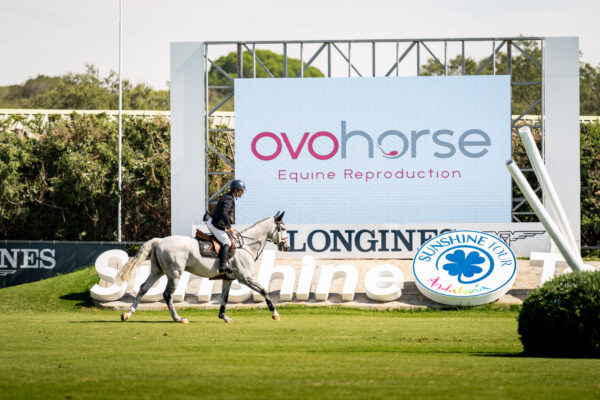
Sport horses (jumpers, dressage, racing, eventing, endurance, polo, etc.) have distinct needs:
Higher Value
Sport horses often have significant market value and require specialized coverage.
Specialized Risks
They face increased risk of:
- Tendon injuries
- Ligament damage
- Fractures
- Competition accidents
Thus, insurers may require:
- Veterinary exams
- Training/competition records
- Higher premiums
Additional Coverage Options
Sport horses may add:
- Loss-of-use
- Performance disruption
- High-level surgical coverage
- Extended travel insurance
Pleasure or leisure horses usually don’t need this level of specialization and are cheaper to insure.
What Can Be Insured for Horses?
Owners can insure almost every aspect of equine life:
- The horse’s life (mortality)
- Veterinary care (medical/surgical)
- Physical ability to perform (loss-of-use)
- Liability for damage the horse causes
- Tack and equipment
- Trailers or horseboxes
- Breeding risks (mares, foals, stallions)
- Embryos and semen
- Travel and transportation
- Rider accidents
Policies are flexible and can be customized to the horse’s purpose.
Conclusion
Horse insurance is a crucial part of responsible ownership. Whether the horse is a beloved companion, a competitive athlete, or part of a breeding program, the right insurance policy provides stability and protection.
From basic mortality and medical insurance to complex coverage for sport horses, travel, embryos, and breeding risks, owners have many options. Understanding these choices helps ensure the best care for the horse and peace of mind for the owner.
Valentina Sozzi
© Rights Reserved.