

The Progress of Equine Veterinary Care in China explained by Dr. Bing
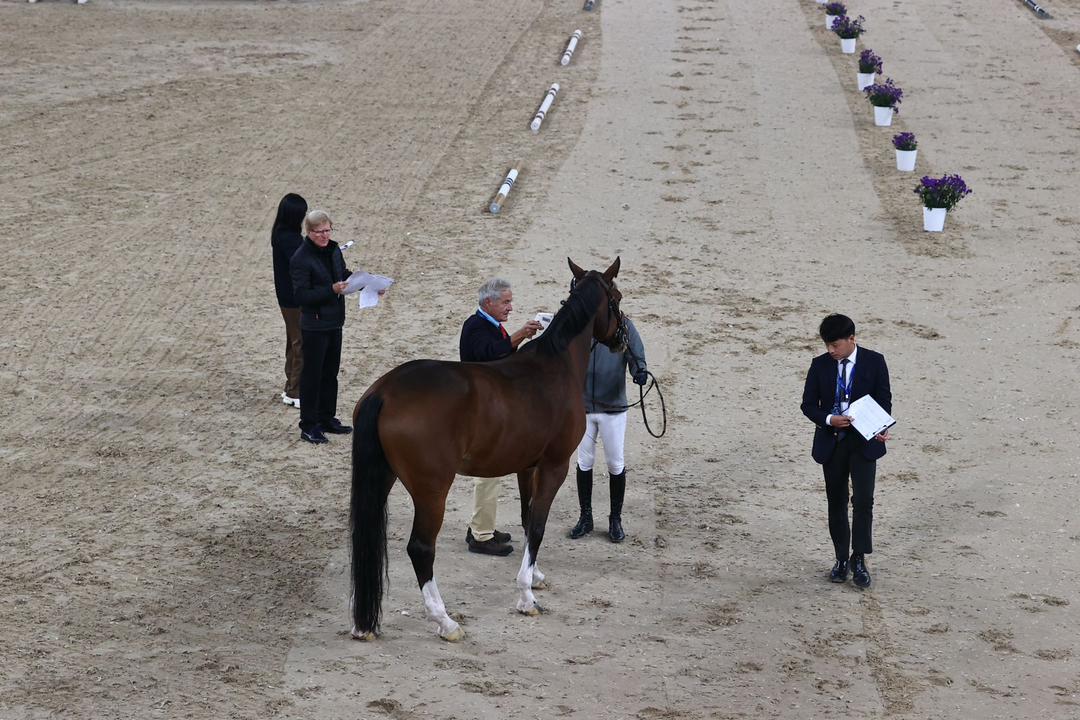
HorseShowJumping.tv met Dr. Bing during the Longines Global Tour of Shanghai last week, gaining a detailed overview of how equine veterinary care is evolving across the country. As a consultant vet to the Hong Kong Jockey Club and a representative for Red Mills, Dr. Bing works closely with top-level sport horses and follows the sector’s development on a daily basis.
The picture that emerges is one of a system that is growing, with targeted investment, better organization, and a steady integration of traditional knowledge and modern technology.
Transport and Logistics Over Long Distances
Transport remains one of the most sensitive aspects of managing sport horses in China. The size of the country requires long journeys between competitions.
“China is big, and horses are often required to travel more than 1,500 kilometers by truck,” Dr. Bing explained. “During competition, this used to create problems, but now we have strong systems in place, including fluid therapy and rotation of horses, to manage these demands.”
In recent years, teams have improved how they plan travel. The use of fluids helps maintain hydration and reduce transport stress, while horse rotation allows a better distribution of workload during competition tours.
This approach reduces the impact of long distances on performance and allows for more consistent management throughout the season.
Advances in Veterinary Diagnostics
One of the most visible changes is in diagnostics. Access to advanced equipment is becoming more widespread, even beyond top-level facilities.
“Local ultrasound, endoscopy, and DR systems are getting better and popular,” Dr. Bing said. “We will even have local MRI for horse shortly. Of course, precise diagnosis helps to accurate treatment.”
The availability of these tools allows veterinarians to identify issues earlier and with greater precision. This leads to more targeted treatments, shorter recovery periods, and better long-term management of sport horses.
The arrival of locally produced MRI systems will mark an important step, as it will improve access while reducing costs.
Growth of Equine Hospitals and Specialists
Alongside technological progress, clinical infrastructure is also expanding. There are currently around six equine hospitals in China equipped with full operating theatres, mainly located in Shanghai, Jiangsu, Beijing, and Guangdong.
“More and more professional sports medicine equine vets are working in those areas,” Dr. Bing noted.
These centers act as key hubs for surgical procedures and advanced treatments. The presence of specialists allows for more precise management of performance horses, with a strong focus on both results and injury prevention.
The geographic concentration of these facilities also reflects where equestrian sport is developing most rapidly.
Combining Traditional and Modern Therapies
A distinctive feature of the Chinese system is the integration of traditional medicine with modern therapeutic technologies.
“We use all supporting therapies to help horse,” Dr. Bing explained. “China is famous for acupuncture and Traditional Chinese Medicine covers the equine area.”
Acupuncture is used in a range of situations, particularly for pain management and muscle recovery. At the same time, modern tools are increasingly part of daily veterinary work.
“We also embrace new technologies such as class 4 lasers, shock waves, PEMF, LED devices. We get access to local manufacturers and try different things these days,” he added.
This combination allows veterinarians to broaden treatment options and tailor care to each individual horse.
Collaboration Between Veterinarians
Another important development is the increase in professional collaboration. Sharing knowledge is helping raise the overall standard of care.
“More cooperation in between vets to share useful info about new devices, treatments and experiences,” Dr. Bing said.
Exchanging clinical experience allows faster adoption of effective techniques and a more consistent level of expertise across different regions.
Horse Import and Quarantine in China
Importing horses into China remains a complex and highly regulated process. Strict health protocols require pre-export testing and controlled quarantine periods upon arrival in approved facilities.
These procedures can take several weeks and require careful planning. They increase costs and reduce flexibility when organizing international competition schedules.
While necessary for disease control and biosecurity, these restrictions directly influence how horses are moved in and out of the country.
Growth of Domestic Breeding in China
The challenges linked to importation are contributing to a growing focus on domestic breeding. More investors and equestrian centers are investing in the development of locally bred sport horses.
The goal is to build a stronger internal base, improve genetic quality, and reduce reliance on foreign markets. This is a long-term process, but it is becoming a strategic priority for the industry.
With increasing veterinary expertise and better infrastructure, local breeding programs are gaining credibility and structure.
China’s equine veterinary sector continues to develop at a steady pace. Improved transport management, advanced diagnostics, specialized facilities, and stronger collaboration are creating a more solid environment for sport horses.
Valentina Sozzi
© Rights Reserved.