

Horses and mental well-being, why more people are choosing horse interaction in 2026
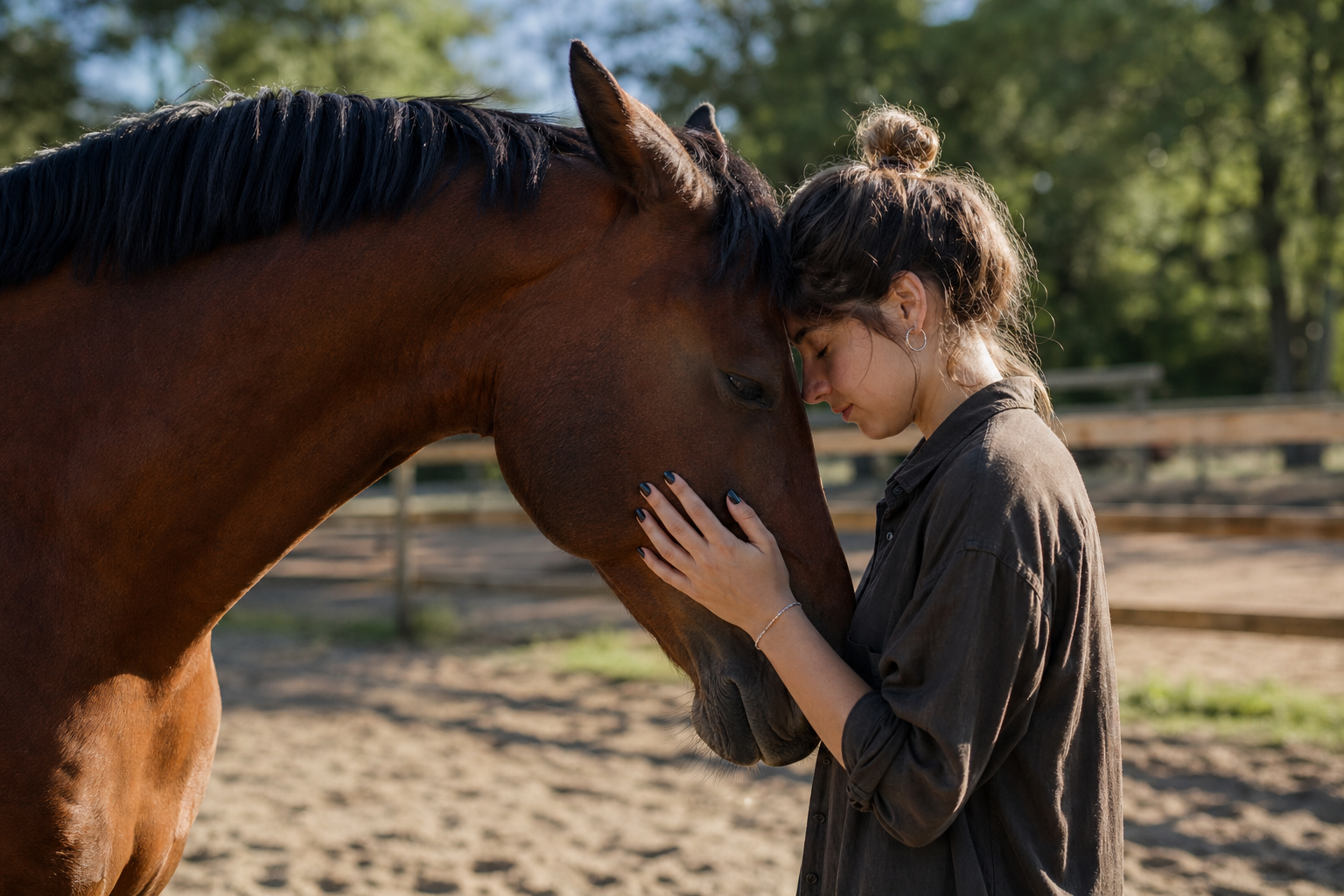
In 2026, interest in activities that support mental well-being continues to grow. Horse interaction is one of the areas gaining attention. It is not limited to riding or sport. It includes ground-based activities focused on presence, emotional regulation, and structured interaction with the animal. Several countries already show how horse-related industries and practices can create long-term social and economic impact.
Why contact with horses reduces stress
Horses react immediately to human behavior. They observe posture, muscle tension, breathing patterns, and movement consistency. If you approach with uncertainty, the horse keeps distance. If you stay consistent and calm, it responds with cooperation.
This reaction creates direct feedback. Your emotional state becomes visible through the horse’s behavior. This forces self-regulation in real time. You cannot rely on appearance alone. The animal responds to what you actually express.
Research shows that 45 to 60 minute sessions with horses can reduce cortisol levels by 15% to 20%. These effects are most noticeable in people exposed to high work pressure or long hours of screen-based activity. Some programs running for 6 to 8 weeks also report improved sleep quality and better attention control during daily tasks.
Horse-based activities without riding
Many modern programs do not involve riding. Instead, they focus on ground interaction. Common activities include leading the horse with a rope, cleaning and grooming, and structured observation of behavior.
A typical session lasts about one hour. During leading exercises, maintaining correct distance is important, usually around 50 to 70 centimeters from the horse’s shoulder. If your timing or positioning becomes inconsistent, the horse may stop or change direction. This creates a practical learning process based on immediate feedback.
These activities improve focus, coordination, and awareness of body movement. They also train consistency, since unclear signals are not followed by the animal.
Real examples of countries shaped by horses
Horse-related industries have a strong economic and cultural impact in several countries.
In Germany, there are more than 2.3 million active equestrian participants and over 40,000 facilities. The sector supports breeding, sport, tourism, and training. It also creates structured rural employment and supports local economies through events and competitions.
In the United Kingdom, the equine industry generates around 5 billion pounds annually and supports more than 200,000 jobs. Regions like Newmarket are globally known for horse racing and breeding, attracting international investment and visitors.
In the United States, the horse industry is valued at over 100 billion dollars when including direct and indirect activity. States like Kentucky have built strong identities around horses, especially in breeding and racing. The industry supports farming, veterinary services, tourism, and education programs.
In France, equestrian sports and horse tourism are widely integrated into rural development. Riding schools and trekking routes across regions such as Normandy and the Loire Valley attract both local participants and international visitors.
These examples show that horse-related systems are not limited to sport. They contribute to employment, tourism, education, and rural development.
The need for real-world experiences
Modern daily life involves long periods of digital activity. Many adults spend more than 7 hours per day in front of screens. This reduces attention stability and increases mental fatigue.
Working with horses requires continuous awareness. You must observe subtle signals such as ear position, head movement, and body tension. This level of attention differs from digital environments. It demands physical presence and consistency.
After repeated sessions, many people report improved concentration and reduced mental overload. The structured interaction creates a rhythm that supports mental reset.
Horses and structured development programs
Horses are also used in training environments outside traditional riding schools. Some organizations include horse-based sessions in leadership and communication training.
A practical example involves guiding a horse through a simple path. If your signals are unclear or inconsistent, the horse stops or changes direction. When your actions become more structured, the horse follows smoothly. This creates immediate feedback on communication style and decision clarity.
Conclusion
Horse interaction is becoming a structured activity used for mental well-being and skill development. It supports stress reduction, attention control, and emotional regulation through direct feedback.
Countries with established horse industries show that the impact goes beyond recreation. Horses contribute to employment, tourism, education, and rural economies. In a world increasingly driven by digital routines, horse-based activities offer a direct and physical way to improve focus and balance.
© Rights Reserved.