
“Equestrianism is an Art” Mattia Caleffi on the Deep Connection Between Wine and Equestrianism
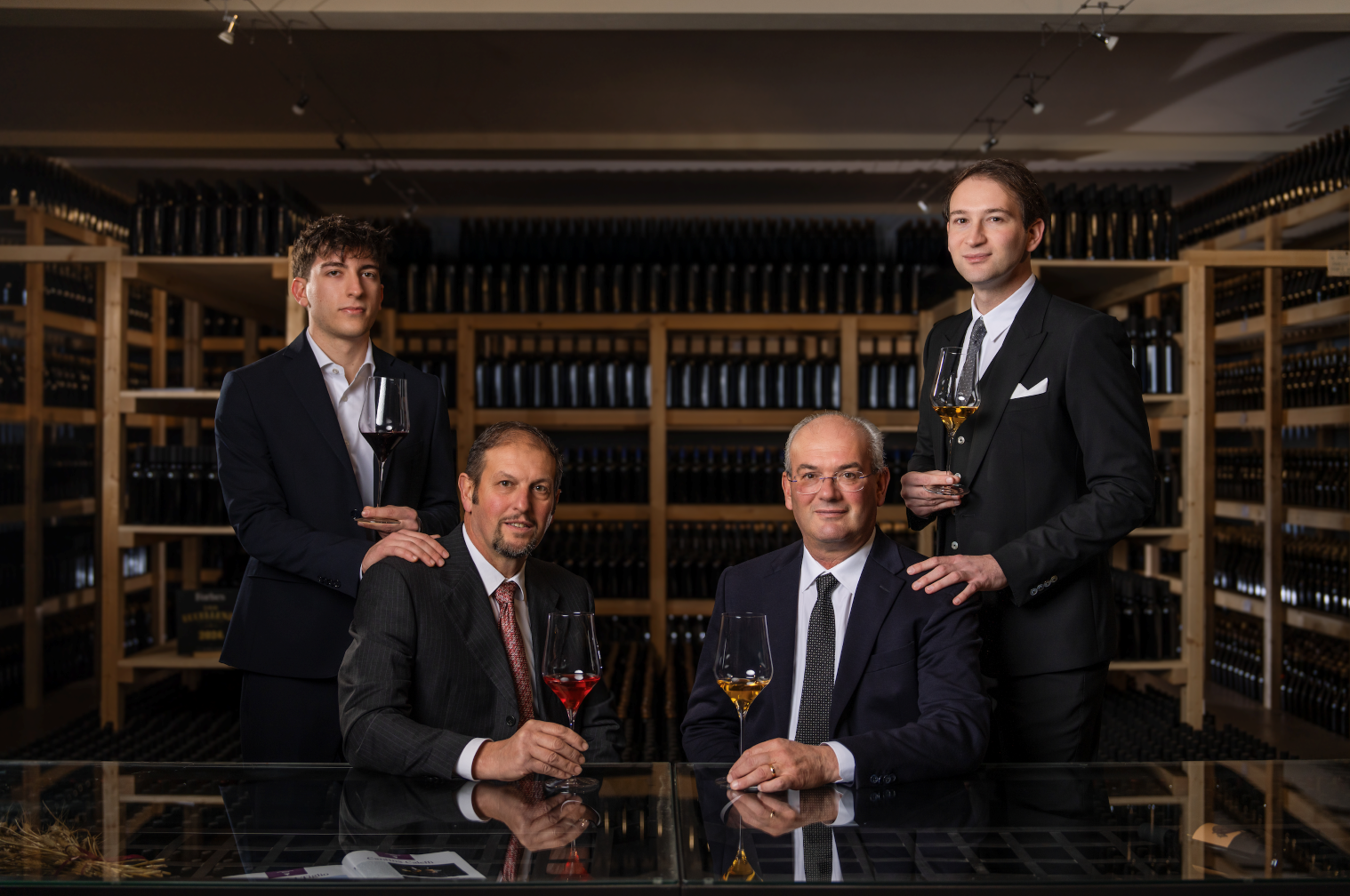
The Philosophy of Cantina Caleffi Meets the Equestrian World
Some brands enter the equestrian world for visibility. Others enter because they genuinely share its language.
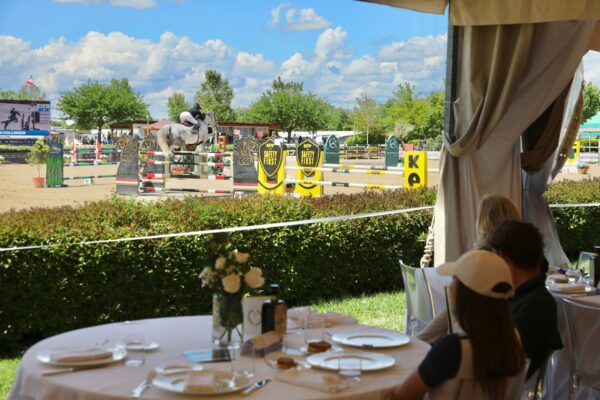
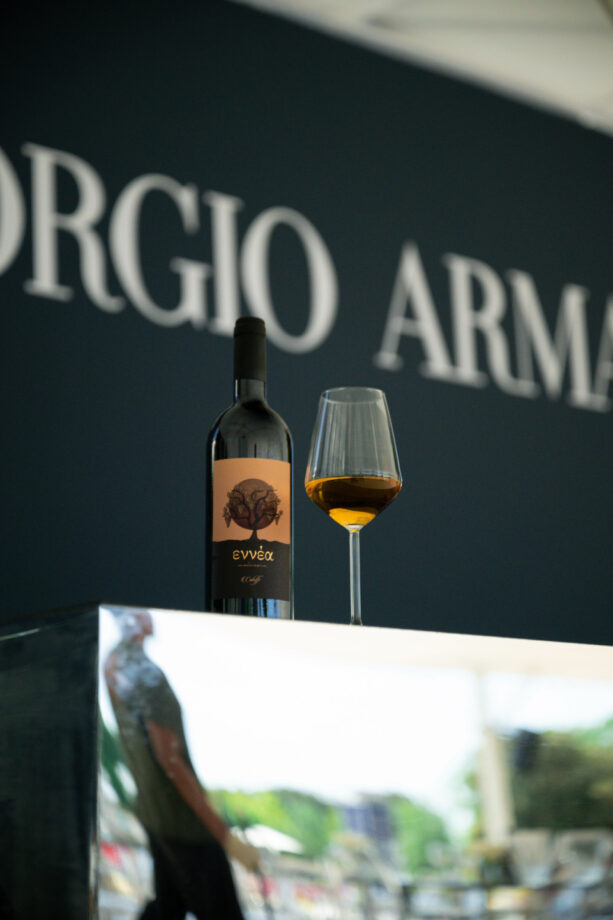
Over the past two years, the name Cantina Caleffi has appeared alongside prestigious events such as the Versilia Horse Show presented by Giorgio Armani, taking part both in the inaugural 2024 edition and again this year during the international debut of the CSI5*. Many began wondering who the Maison truly was — the winery that chose to align itself with one of the most refined and selective events on the international equestrian calendar.
The answer goes far beyond wine production.
Behind the name Caleffi lies a vision — an idea of excellence rooted in the land, shaped by Italian agricultural culture, and naturally connected to the world of horses. Not as a marketing strategy, but through a deep and authentic affinity.
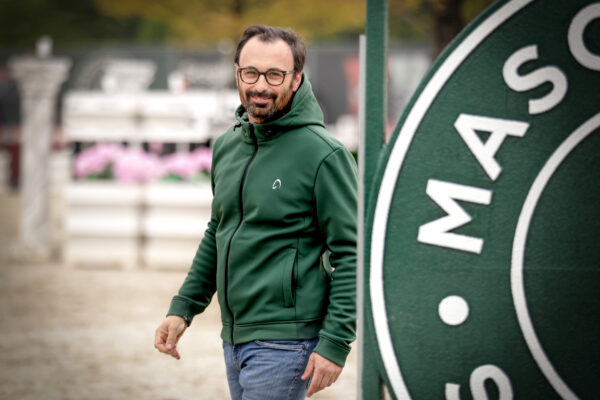
During the interview with Horseshowjumping.tv, Mattia Caleffi, Managing Director of Cantina Caleffi, shared a philosophy that stands apart precisely because it avoids the clichés of manufactured luxury. The common thread is not appearance, but the relationship with the animal, with time, with precision and sensitivity — values that, in show jumping and fine winemaking alike, are far more similar than one might imagine.
To truly understand Cantina Caleffi, this is where one must begin.
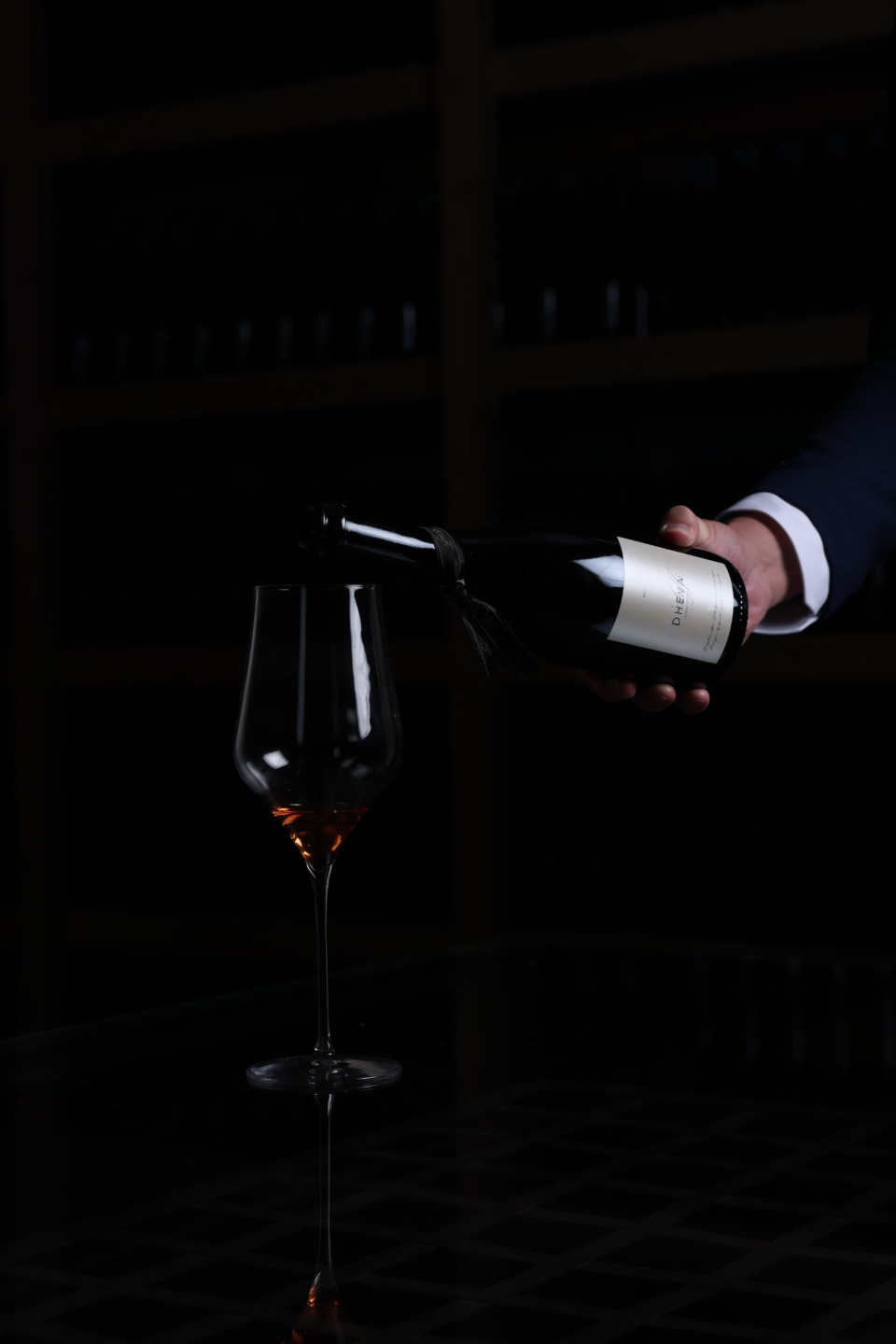
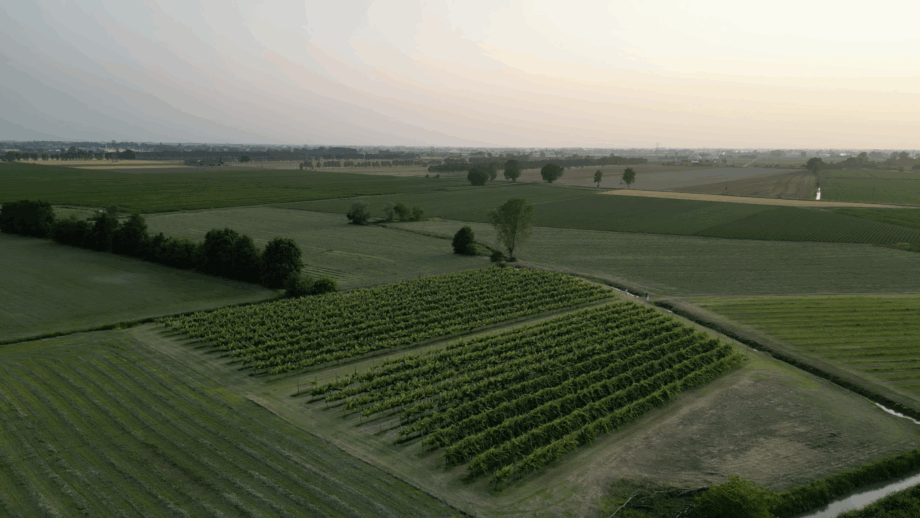
Between the provinces of Mantua and Cremona, in the historic lands of the Gonzaga family, the Caleffi family has preserved for generations an agricultural heritage built on principles far removed from modern industrial acceleration. A culture of the land that Mattia describes above all as responsibility, stewardship, and continuity.
And it is precisely this approach that creates the natural bridge with the equestrian world:
“Caring for an animal and building that relationship is, in my opinion, very similar to the relationship we have with the land and with nature,” Mattia explains during the interview.
A statement that perfectly captures the essence of their philosophy.
With horses, as with vineyards, there are no shortcuts — only observation, patience, balance, and respect for natural rhythms.
Throughout the conversation, another key theme emerges: the rejection of purely productivity-driven logic. Mattia’s father describes an agricultural reality in which a cow may live seventeen or eighteen years, compared to industrial models that compress life cycles in the pursuit of maximum output. A reflection that finds immediate parallels within the equestrian world.
In equestrian sport, true excellence cannot exist without prioritising the well-being of the horse. A horse is not a machine built for performance. It is sensitivity, character, intelligence — a living being with whom the rider develops a daily dialogue based on trust and understanding.
For this reason, Mattia describes equestrianism as “an art more than a sport.”
A definition that may sound romantic at first, but in reality perfectly reflects the deeper nature of equestrian disciplines. Beyond the glamour of international events, beyond immaculate hospitality and elegant arenas, there remains something far more complex: the ability to connect with an animal that thinks, perceives, reacts, and feels.
“The balance you must find in the saddle is incredibly complex,” Mattia explains.
And perhaps it is precisely this complexity that created such a natural affinity between Cantina Caleffi and the international equestrian world.
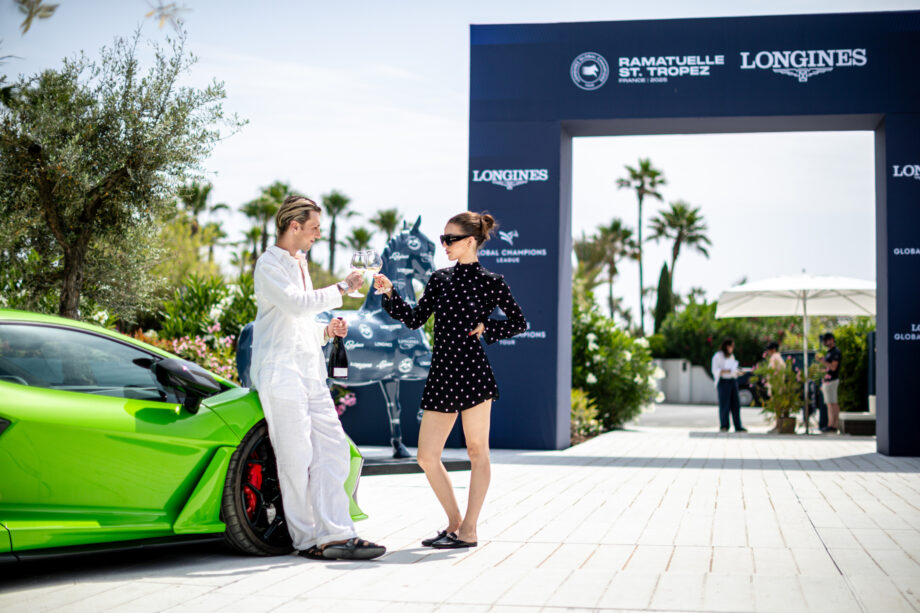
It is no coincidence that the Maison chose to debut in highly prestigious settings such as the Longines Global Champions Tour, attending iconic destinations like Saint-Tropez and the MET in Oliva Nova.
Here another fundamental aspect of the Caleffi vision becomes clear: the value of relationships.
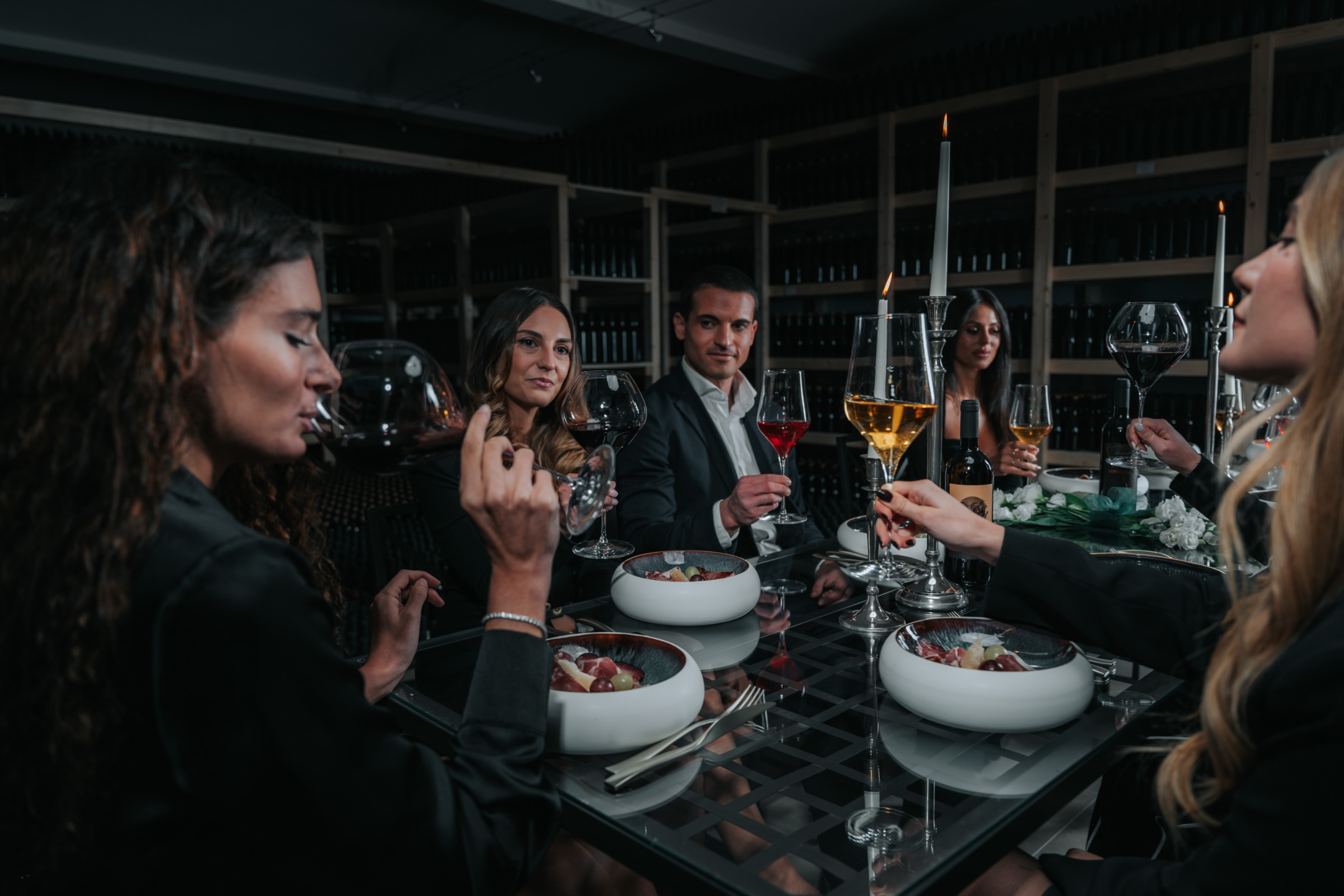
For Mattia, these events are environments in which authentic connections are built — places where wine becomes a language, a means of dialogue, and an experience capable of bringing different worlds together.
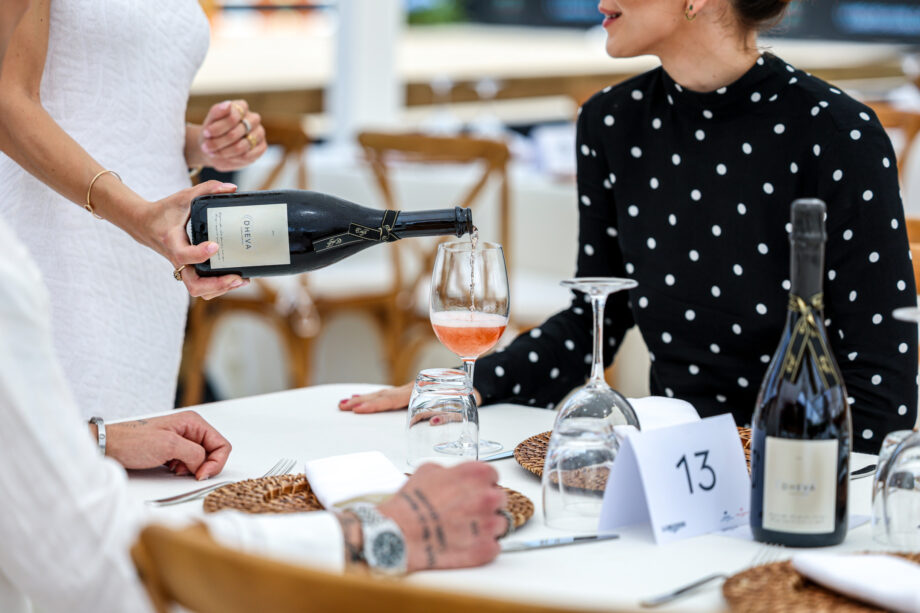
Throughout the interview, one concept repeatedly returns: the importance of creating “tailor-made” experiences. Every detail — from service to glassware, from atmosphere to storytelling — must contribute to creating harmony.
An approach remarkably similar to the way major international equestrian events are designed, where nothing is left to chance.
Yet perhaps the most fascinating parallel emerges when the conversation turns toward the management of complexity.
Modern society often pushes everything toward extremes: exaggerated genetic selection, immediate performance, accelerated growth. Mattia Caleffi and his family seem to follow a very different path.
During the interview, one message becomes especially clear: growth, to be truly sustainable, must first be ethical, balanced, and built to last — never forced through excess or shortcuts.
A reflection that resonates deeply within the world of sport horses.
At the highest levels of show jumping, the line between nurturing talent and obsessively pursuing performance can become dangerously thin. It is here that the Caleffi philosophy aligns itself with the most authentic side of equestrianism: the side that places the horse’s well-being, proper development, and the balance between technique, sensitivity, and care at the centre.
It is therefore unsurprising that, during the interview, the competition horse is described as:
“A work of art in flight.”
A vivid and almost poetic image that perfectly captures the artistic dimension of show jumping.
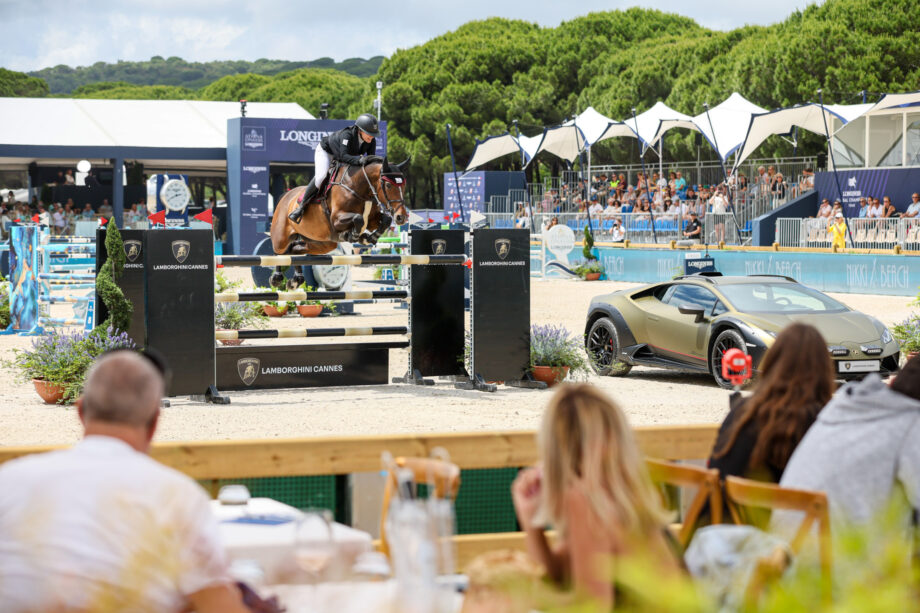
Those who truly live within this world understand that the fascination of equestrianism does not lie solely in victory, but in the daily construction of the partnership between horse and rider — in the silent dedication behind every achievement.
And here another point of connection with the Caleffi family emerges.
In their vision of agriculture, there is no separation between strategic thinking and hands-on work. Mattia describes it naturally: taking off the jacket to climb onto a tractor or work directly in the fields is not an exception, but part of the family identity.
A mentality the equestrian world knows well.
Behind every rider, every stable, every international success story, there is a daily reality made of sacrifice, manual work, discipline, and commitment. It is an environment where authentic passion is recognised immediately.
It requires patience. Sensitivity. Balance.
The same attention is reflected in the production philosophy of Cantina Caleffi, where viticulture is born from the meeting of agricultural knowledge, research, and meticulous control over every stage of the process. From sustainable vineyard management to environmental monitoring systems, from artisanal ageing methods to the preservation of the wines, nothing is left to chance.
An approach that closely mirrors the world of elite show-jumping partnerships: a universe built on sensitivity, attention to detail, and that subtle harmony that can only emerge through time, experience, and mutual understanding.
Even the concept of sustainability, for Caleffi, takes on a dimension remarkably close to that of modern equestrian sport.
“Every decision reflects a vision that looks beyond the present,” Mattia explains.
A sentence that could just as easily belong to a great rider or sport horse breeder.
Because in both wine and equestrianism, time remains the true measure of value. Nothing enduring can be built by chasing only immediate results.
And perhaps this is precisely why Cantina Caleffi moves so naturally within events such as the Longines Global Champions Tour or the Versilia Horse Show — as an interpreter of a shared cultural language.
A language built on elegance, expertise, precision, and authenticity.
The relationship between Caleffi and the equestrian world feels almost inevitable, because both speak the language of care, dedication, and the slow construction of excellence.
And perhaps this is ultimately the key to truly understanding Cantina Caleffi: a Maison that sees wine not simply as a product, but as a story of territory, culture, identity, and vision.
A company that views agriculture as an act of responsibility toward both the land and the future.
A reality that recognised in the horse not merely a symbol of prestige, but an entire universe of values deeply aligned with its own.
For this reason, Cantina Caleffi’s presence within major equestrian events never feels constructed — only coherent.
Because a great wine and a great horse share more similarities than one might think.
Both are born from the meeting of technique and instinct, both represent, in their purest form, a living work of art.
Cantina Caleffi: A Maison Rooted in the Land
Cantina Caleffi was born in the lands between Mantua and Cremona, a territory shaped by the agricultural history of the Po Valley and the cultural legacy of the Gonzaga family. It is here, within a landscape formed over centuries by water, alluvial soils, and human dedication, that the Caleffi family built its winemaking vision.
The Maison traces its origins back to the early decades of the twentieth century, when caring for the land became not simply an agricultural activity, but a responsibility to be passed down through generations.
Today, that heritage lives on in a winery that combines memory, technical precision, and contemporary vision, guided by principles of sustainability, biodiversity, and respect for terroir.
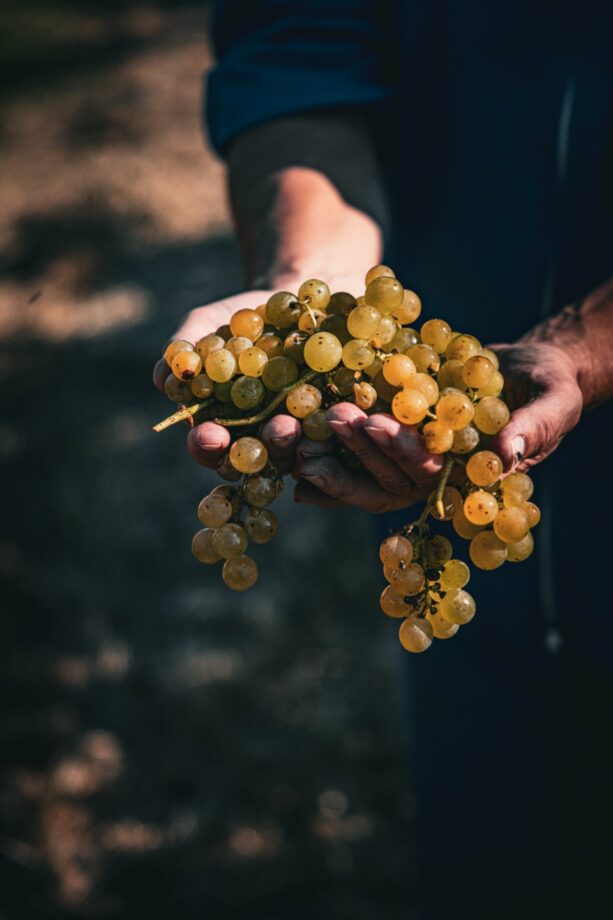
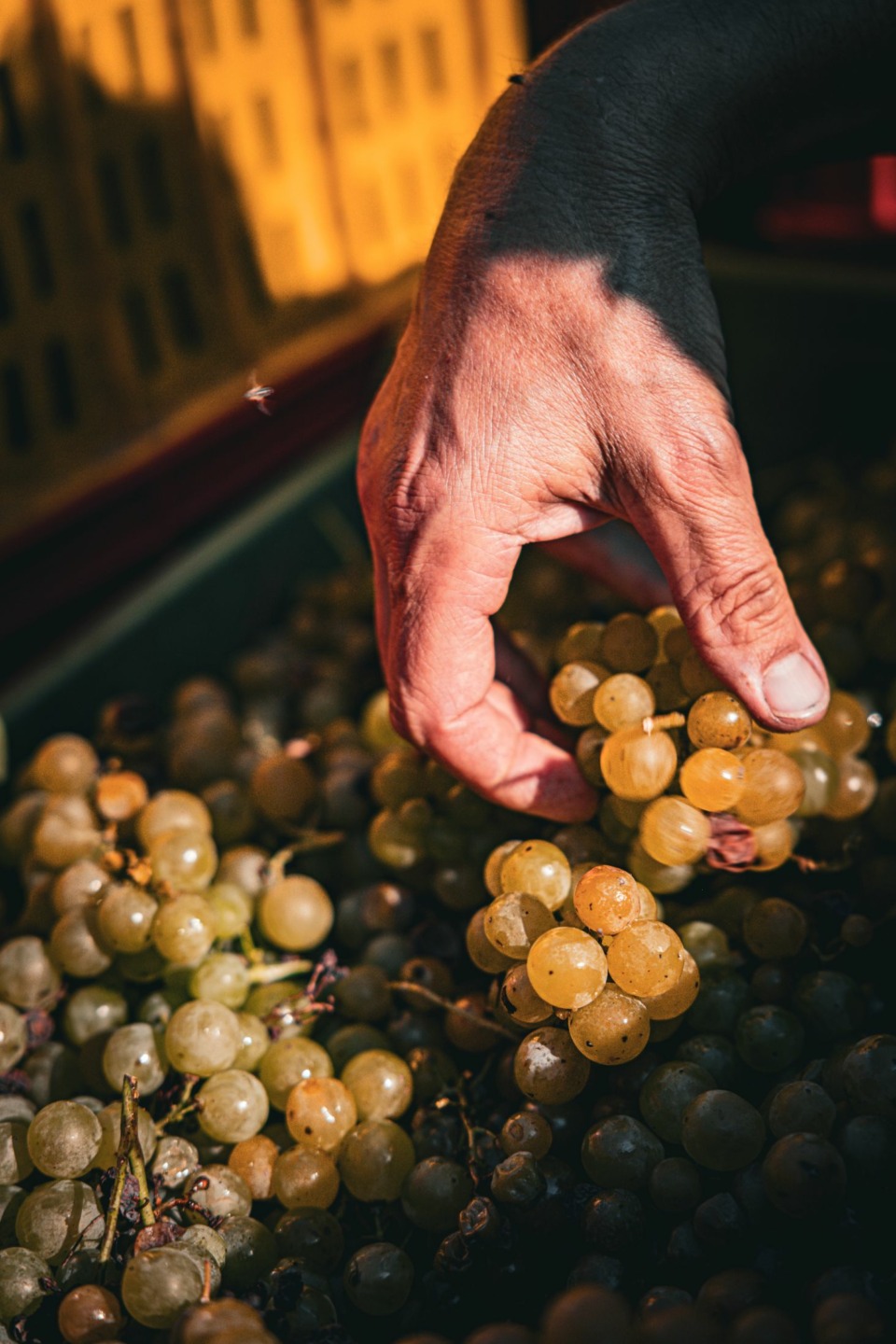
The vineyards flourish in fertile alluvial soils naturally capable of retaining and distributing water. Vineyard management prioritises respect for natural cycles, cover cropping, manual vine care, and meticulous attention at every stage — from pruning to harvest.
Inside the winery, the goal remains preserving the integrity, freshness, and identity of the grapes.
Cantina Caleffi therefore presents itself as a reality capable of transforming wine into storytelling: not simply an expression of a territory, but the synthesis of agricultural culture, family responsibility, and the pursuit of excellence.
A philosophy that explains why the dialogue with the equestrian world is not merely a positioning strategy, but the natural extension of a shared vision of time, care, and beauty.
© Rights Reserved.