Preparation, Focus and Course Walking: Peder Fredricson’s Approach to Show Jumping
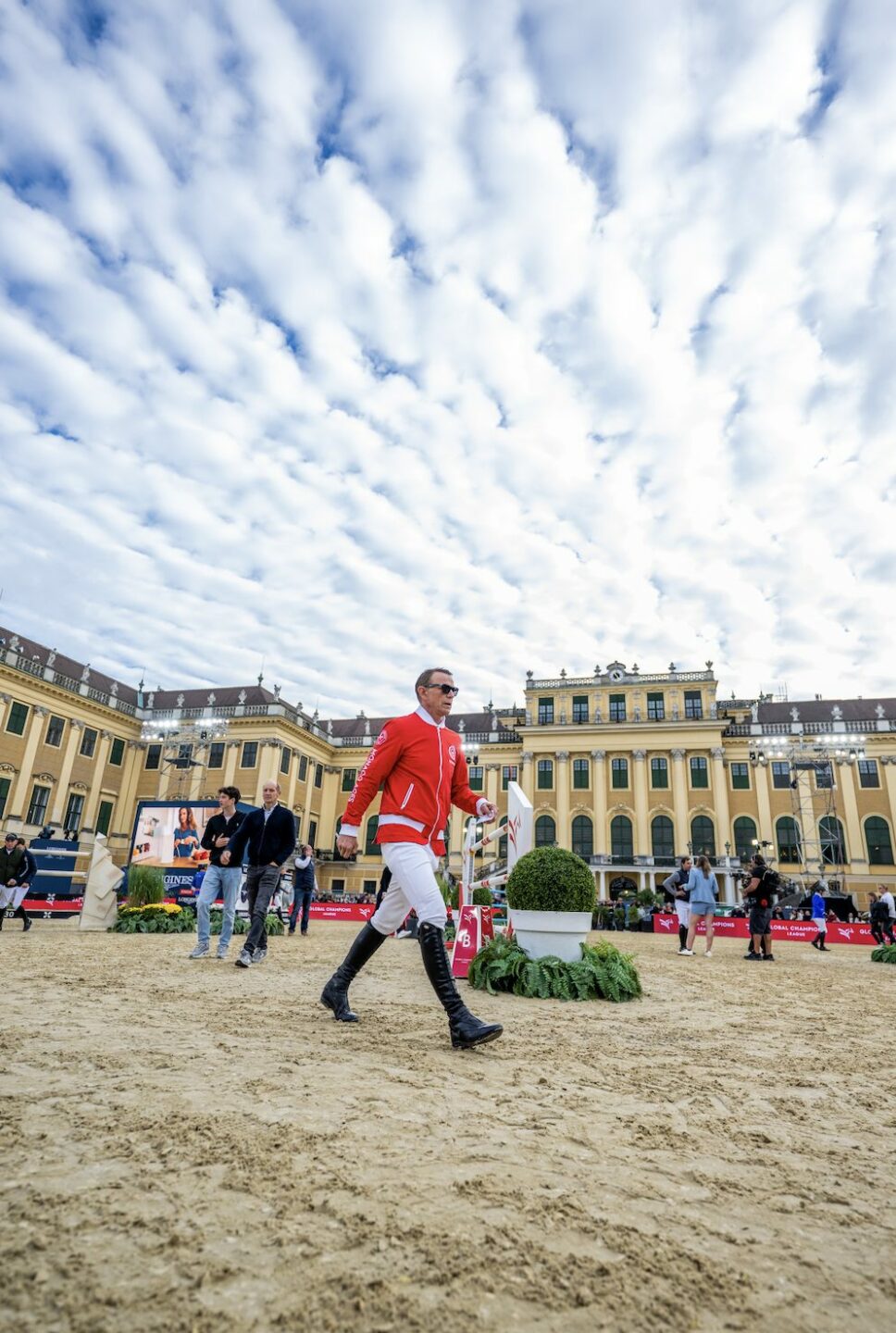
The Swedish Olympic rider shares the routines that help him prepare for competition, maintain concentration and approach a course with confidence.In show jumping, preparation begins long before a rider enters the arena. From deciding when to school a horse to studying the course and maintaining a consistent competition-day routine, every detail contributes to the overall picture. For Swedish show jumper Peder Fredricson, the key lies in knowing what works for him and following a structure that allows him to feel prepared.
Speaking in Vienna, Fredricson shared some of the habits that shape his approach to competition, offering an insight into how he manages his preparation, concentration and course walking.
Finding the Right Time to School
Every competition has its own schedule, and Fredricson adapts his preparation accordingly. Earlier in his career, his days often began at six in the morning, when he would school his horses. Today, he prefers to bring that work closer to the actual competition.
His timing depends largely on when the class takes place. If he is competing in the evening, he prefers to school his horses approximately two hours beforehand.
Rather than following a fixed schedule regardless of the circumstances, he considers the timing of the class and adjusts his routine to suit the day. The aim is to prepare the horse at a time that works for both the horse and the demands of the competition.
The Importance of Routine
Concentration is another important part of Fredricson’s preparation. For him, consistency plays a central role.
“I’m quite strict to keep my routines,” he explains. Having competed for many years, these habits have become an established part of his approach to show days. He tries to follow the same routine at every competition, creating a familiar structure around what can otherwise be an unpredictable environment.
This consistency helps him approach each class with a clear plan. Rather than constantly changing his preparation, he relies on routines developed through experience and refined over time.
Walking the Course Before Entering the Arena
Course walking is one of the most individual aspects of show jumping. Every rider has a different approach, depending on their experience, their horse and the demands of the track.
For Fredricson, preparation starts before he even steps into the arena to walk the course. He prefers to study the course plan in advance and learn the sequence of jumps beforehand.
“I want to be really well prepared,” he says. “I would like to know the course before.”
By familiarising himself with the course plan ahead of time, he can use the course walk for a more detailed analysis instead of concentrating on memorising the sequence of obstacles.
His attention turns to the distances between fences, the lines and how his horse might feel jumping the course. He also considers the challenges set by the course designer and what each section of the track will demand from the combination.
The objective is to build a clear understanding of the course before the class begins. Knowing the sequence allows him to focus on the decisions that matter most, including how to approach each line and adapt his riding to the horse.
Team Spirit and the Value of Good Company
Although show jumping is often an individual sport, team competitions bring another dimension to the experience. Riders must remain focused on their own performance while sharing the pressure and excitement of competing alongside their teammates.
Fredricson enjoys the team format, although he recognises that each rider ultimately has to manage their own round.
“We’re all individual riders, so there’s only so much we can do to help each other,” he explains.
For him, a positive team environment still makes a difference. Enjoying each other’s company and creating a good atmosphere are important parts of the experience.
In a sport where preparation and individual responsibility are essential, the support of teammates can contribute to a more positive competition environment.
Preparation That Works for the Individual
Fredricson’s approach offers a practical insight into the details behind a successful competition routine. He adapts his schooling schedule to the timing of the class, relies on familiar habits to maintain concentration and studies the course plan before walking the track.
His course-walking method is particularly clear: learn the sequence in advance, then use the walk to analyse the distances, the lines and the challenges the course presents.
Ultimately, his approach reflects the importance of understanding your own preparation and developing routines that suit both horse and rider. In show jumping, confidence begins with preparation, and every decision made before entering the arena can help a combination approach the course with greater clarity.
© Rights Reserved.