José Fumero Hernández: Preparing Young Horses for the WBSFH in Lanaken
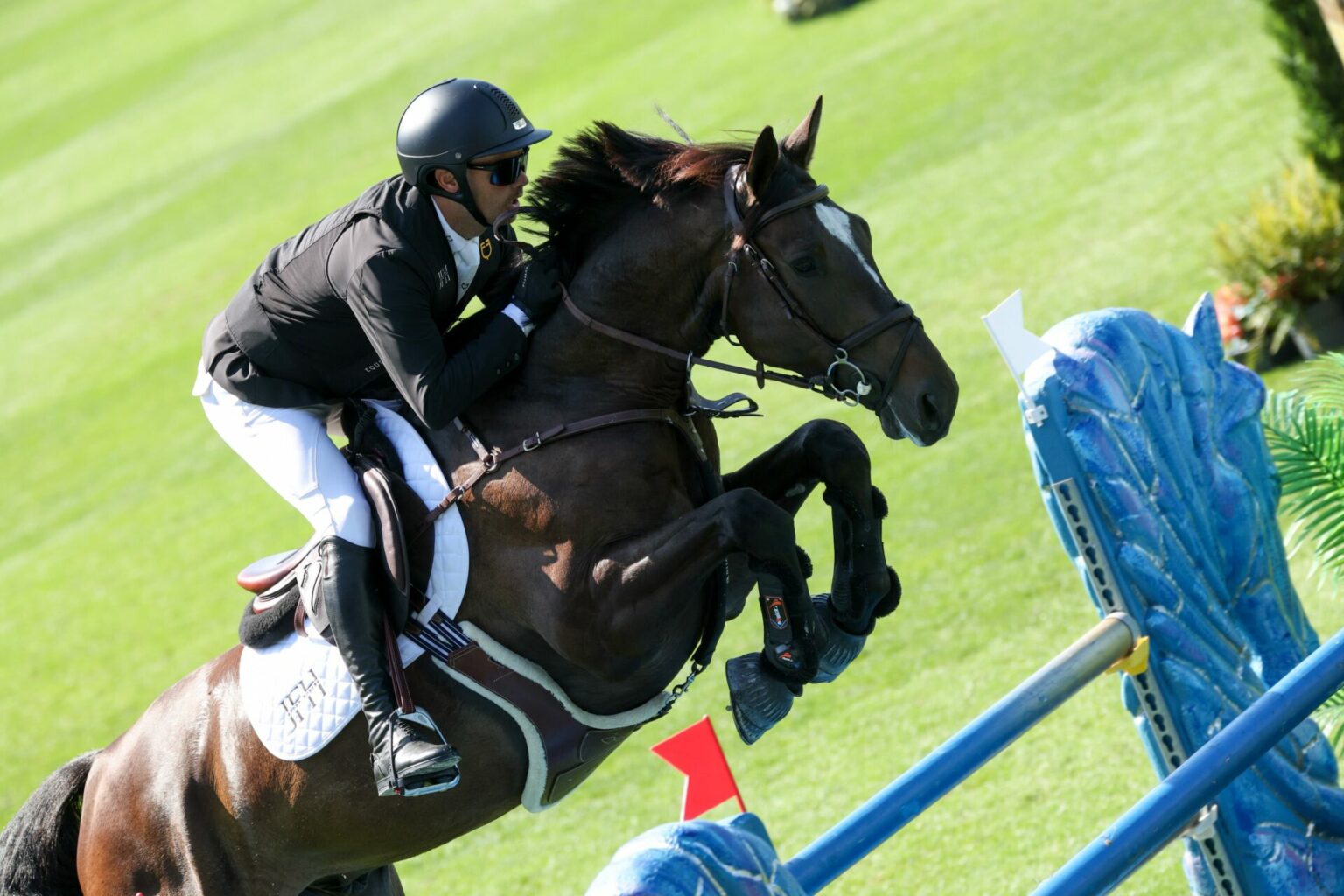
José Fumero Hernández is competing this week at the World Breeding Championship for Young Horses in Lanaken with two young horses, a five-year-old and a six-year-old. His approach to preparing them has been carefully tailored to their individual characters, experience and maturity.
For Fumero, bringing a young horse to a championship is about more than physical preparation. The horse needs confidence, experience and, above all, the right mentality.
“I’m competing here with a five and a six year old. So, yeah, they’re still young horses, so it’s not that they’ve been competing too much. But both horses have a super mentality. They’re super brave, and I think they’re a bit more mature than what you expect them to be when they’re this age. So, that’s why I decided to come here.”
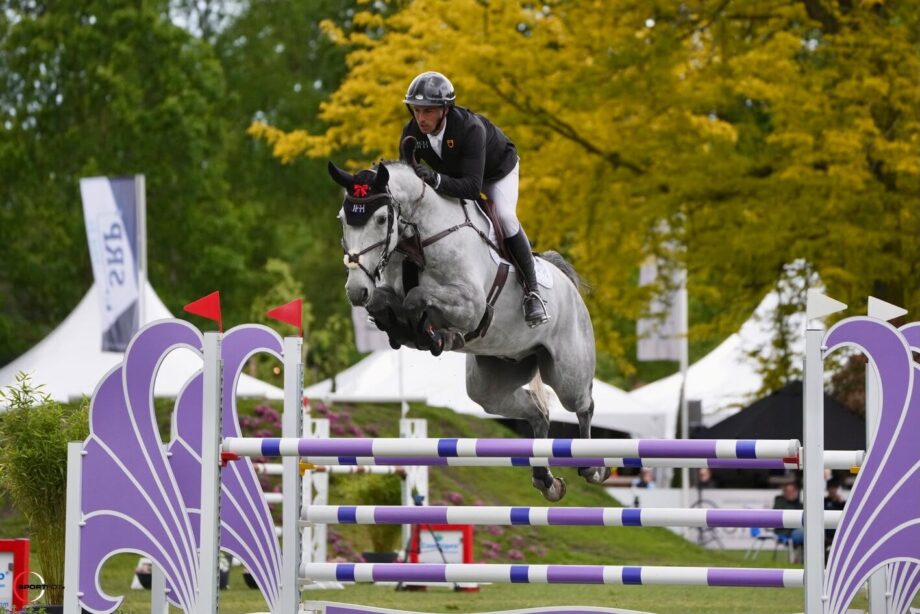
Preparing young horses for Lanaken
The six-year-old has already been given experience in a variety of environments, including some of the more challenging elements that young horses can encounter in international competition.
“The six year old has been jumping in big, grass arenas with water, planks, Liverpool, everything. So he got a little bit of experience, to get the spookiness away.”
The final competition before Lanaken was at Peelbergen, which provided another useful preparation for the championship.
“And the last preparation to come here was Peelbergen, which is also a sand arena, a bit small like we have here. So, I think it was a good preparation.”
Following Peelbergen, the horses were given an easier week rather than being kept in intense work.
“Mentally, the horses are perfect, and physically, they feel super good. We try not to do so much in the last weeks after Peelbergen and they had their one easy week of riding at home.”
Hacking also forms an important part of their routine.
“We also go a lot hacking because they like it. It keeps their brain fresh.”
The preparation has been individual for each horse.
“Both horses are totally different. So, yeah, we adapted the preparation to their individual needs.”
The six-year-old has plenty of blood and benefits from regular activity.
“The six year old is quite bloody. So it’s not that he can rest a lot. But, yeah, he loves hacking, so it keeps him a little bit more quiet.”
Meanwhile, the five-year-old gained valuable experience through the Stal Hendrix Competition.
“The five year old did the Stal Hendrix Competition, which was really nice for him because he competed in a lot of different places.”
After that, he was given a break before one final show ahead of Lanaken.
“And then he had quite a break, and we just did one show before coming here. So he’s not too fresh and not too spooky.”
Fumero knows that there is always an element of risk when bringing young horses to a championship.
“He’s still young, so, yeah, we don’t want to burn him and be sure he’s not gonna be fresh the first day. We just take our chances.”
His philosophy remains clear.
“Every horse deserves an individual plan, and that was our plan for these specific two horses.”
The mentality of a future top horse
When Fumero assesses a young horse for his own future in the sport, he has a preference for horses with plenty of blood.
“My type of horse, it’s always quite bloody. I prefer them to have extra blood than to be a little bit lazy. I like it when they pull towards the jump.”
Energy has to come with intelligence and willingness.
“Obviously, they have to be intelligent, good mentality. They have to be willing to do it. I like when they really like their job.”
For Fumero, that willingness becomes particularly important when a horse progresses towards the highest levels of show jumping.
“What I really think that the horse needs to reach the top sport is the mentality. If they don’t want to, they will never do it.”
He believes that the ability to make the transition from 1.50m to 1.60m is strongly connected to the horse’s attitude towards its work.
“I think a horse that can jump 1.50 to do the step to the 1.60, it’s just their mentality and their willingness to do it.”
Knowing when a young horse is ready
Fumero has ten horses in his stable, but only two made the journey to Lanaken.
“I decided that I have ten horses in my stable and only two I decided to bring here to Lanaken because I do feel that they are actually more mature than what you expect them to be at their age.”
He has other horses that he considers very promising for the future, but believes some need more time and experience before being exposed to a championship environment.
“I think I have some really, really good ones for the future.”
He gives the example of a five-year-old mare who stayed at home.
“I have a really good five year old mare that I wasn’t planning to come here because she still doesn’t have all the experience, and she’s really careful.”
For a sensitive young horse, Lanaken can be a demanding environment.
“Here, Lanaken is quite big. So for a horse that is a bit sensitive like this, I think they can actually have a bad experience. So, yeah, that’s why I chose these ones.”
For Fumero, knowing when to move a horse forward comes down to paying attention to the individual.
“Some horses, it’s a matter of listening to them. They will tell you what pace they want. But some horses, you feel like they are ready to go to the next level, and some you think that it’s still not falling everything together.”
Keeping young horses happy in their work
Fumero places a strong emphasis on making sure young horses enjoy jumping.
“I don’t mind that they are really playful. The most important for me is that they really like what they are doing.”
He wants young horses to remain enthusiastic rather than becoming bored with their work.
“I don’t want to force them or that they get bored in jumping. I like when they jump that they’re a bit excited.”
As they gain experience, that enthusiasm becomes more controlled.
“Obviously, more at the beginning. When it gets a little bit older and we’ve experienced, it’s a bit more under control. But, yeah, I do like them to enjoy. That’s the most important for me.”
Experience then gradually brings everything together.
“At the same time, they get experience. Everything starts falling in the right way. That’s the way I build my young horses.”
Learning from experience
Fumero also made changes to his preparation after reflecting on the previous year’s championship.
“Preparing for this championship in the previous year, I did a mistake, letting them too fresh, not showing too much before coming.”
The horses had been physically ready, but the lack of recent competition affected their behaviour when they arrived.
“They were in good shape, apparently, to compete. But then I realized that they were a bit too spooky the first day and too fresh, and everything didn’t fall in the right way.”
This year, he deliberately included a competition at Peelbergen before giving the horses an easier week.
“Two weeks ago, I did a show in Peelbergen to keep them a little bit going, and then they just had an easy week at home.”
Now, he will see whether the change produces the result he hoped for.
“Let’s see. I think it’s a better plan, but, yeah, we learn by trying and doing mistakes. So I hope this was the right decision.”
Managing championship pressure
For Fumero, a certain amount of pressure can help a rider stay focused.
“I think there’s always nice to have a little bit of pressure. It makes you focus and a little bit more aware of every detail.”
When walking the course, however, he prefers to keep his attention on his own plan.
“I try not to overthink too much at the time of walking the course. Just make my plan. Don’t see too many horses and, yeah, try to give the horse the best ride I can that he can be clear.”
The final ingredient is trust.
“It’s just staying relaxed and following the plan and trusting that you’re well prepared for what you’re gonna do.”
Breeding, bloodlines and the modern show jumper
Pedigree plays an important role when Fumero evaluates horses, although he always starts by looking at the horse itself.
“For me, the pedigree is quite important.”
He looks at the horse first and then studies the breeding to understand more about the qualities behind it.
“The first thing I see is a horse. If I like it, then I look at the breeding, and then I can try to see a little bit the characteristics of the horse.”
He has a clear view of what he wants to see in a modern show jumper.
“What I think a modern show jumper needs is blood, and a good mentality.”
He also highlights the importance of proven qualities within breeding lines.
“I really like the combination with a blood Caretino formula. I like the amount of mentality is amazing. The power, the ability, it just has to have a good technique.”
The importance of the mare
From a rider’s perspective, Fumero believes the mare should play a central role in breeding decisions.
“I do think that the most important is the mare, and it’s the most complicated to have that for sure.”
His own approach would therefore begin with finding the right mare.
“I would start with a good mare. Even young stallions are proving to produce really good, but, yeah, the mare is the most important thing, I think.”
ICSI and new opportunities in sport horse breeding
Fumero also speaks positively about ICSI, or OPU-ICSI, and has personal experience using the technique with his own mares.
“I even do it myself with my own mares. It’s a way to keep the breeding going, without having to stop the mares.”
From Fumero’s experience, ICSI offers an interesting opportunity to combine a mare’s breeding potential with her continued sporting career.
“I do think, in my personal opinion, that it is less aggressive on a mare than doing a normal embryo transfer.”
He has also noticed a difference between the two procedures in his own mares.
“As my experience, normal embryo transfer, in some mares, you can really feel a difference, hormonally. And by ICSI, up until today, I did not feel a difference, so that is positive for the sport”
For Fumero, one of the significant opportunities created by ICSI is the ability to continue breeding from mares while allowing them to remain active in sport.
“It’s a way to keep the breeding going, without having to stop the mares.”
He also recognizes how the technology can open breeding opportunities to more people.
“On the other hand, it gives more opportunities for other breeders to have these stallions.”
Fumero also reflects on how modern reproductive technology has changed access to the genetics of highly successful horses.
“Before, having a horse, the mother jumping 1.60, it was really exclusive, and it was something really, really unique.”
With ICSI allowing successful mares to contribute more extensively to breeding programs, that exclusivity can change.
“Now that mother maybe has 200 foals already, 20 Chaco Blues, 50 Emeralds. That’s the only concern, that the exclusivity is a little bit lost.”
At the same time, Fumero sees the wider access as an important benefit.
“But on the other hand, it gives more opportunities for other breeders to have these stallions.”
His view reflects the changing possibilities within modern sport horse breeding.
For José Fumero Hernández, producing horses for the highest level starts long before they enter the championship arena. It comes from understanding the individual horse, giving it the right experiences at the right time and preserving the qualities that make it want to jump.
At Lanaken, his five-year-old and six-year-old now have the opportunity to put that preparation into practice.
© Rights Reserved.