Luxyvet: laser technology for animal health. An interview with Maurizio Manfrin
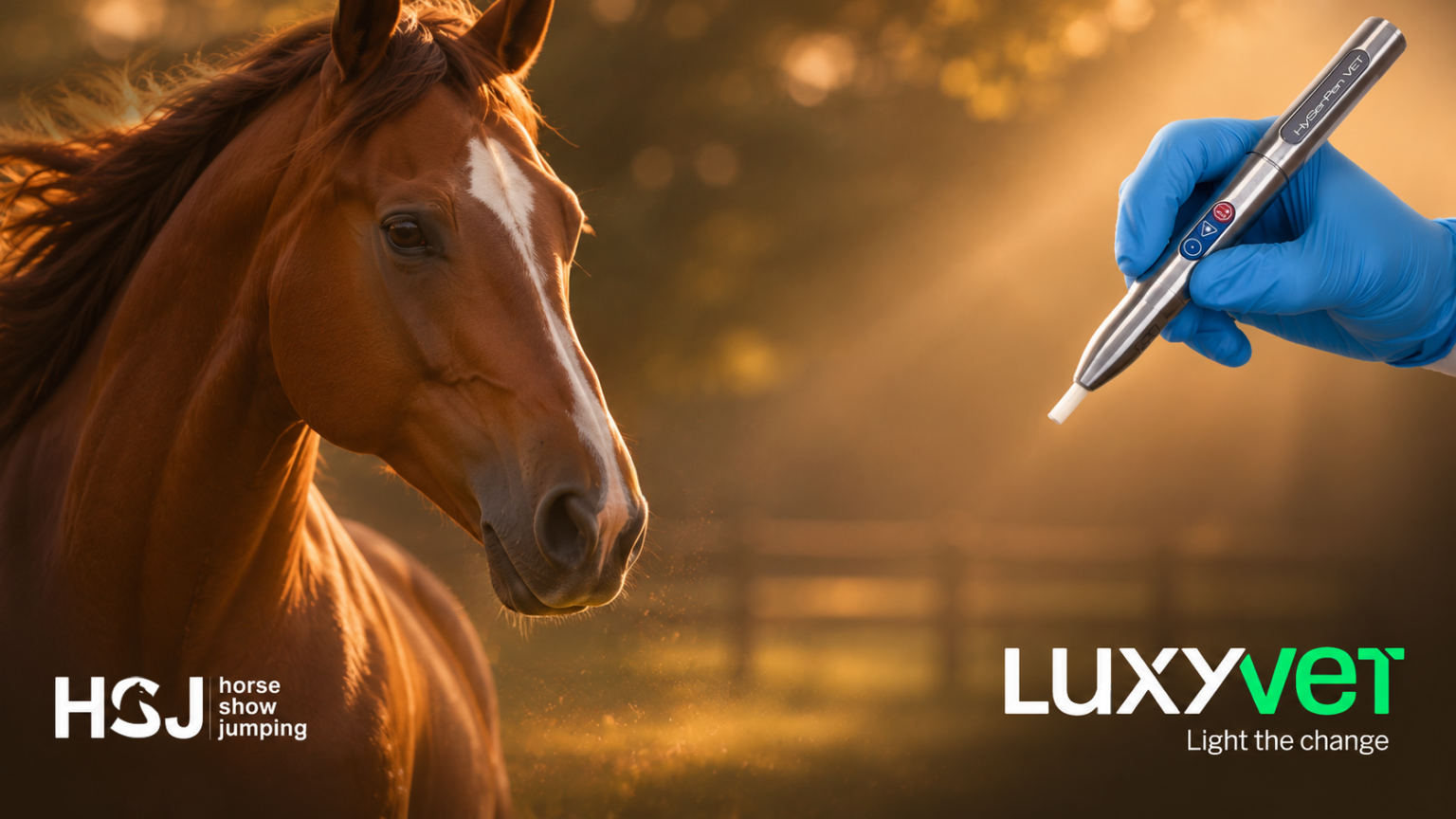
From expertise in human medicine to technology developed specifically for veterinary practice. Maurizio Manfrin, CEO of Swiss & Wegman Srl, discusses the origins of Luxyvet, the importance of research and training, and the emerging possibilities of laser therapy for animal wellbeing, with a particular focus on the sport horse.
How much can technology do to improve an animal’s quality of life? And beyond innovation itself, how important is it to understand its applications and use it correctly?
We know that a horse’s health depends on more than the management of medical conditions. It also requires daily attention to wellbeing, athletic conditioning, and muscle recovery after exercise.

CEO of Swiss & Wegman Srl
Laser therapy is among the technologies gaining a place in veterinary practice. It is used across a range of clinical fields for its potential applications in pain management, the modulation of inflammatory processes, and support for tissue repair.
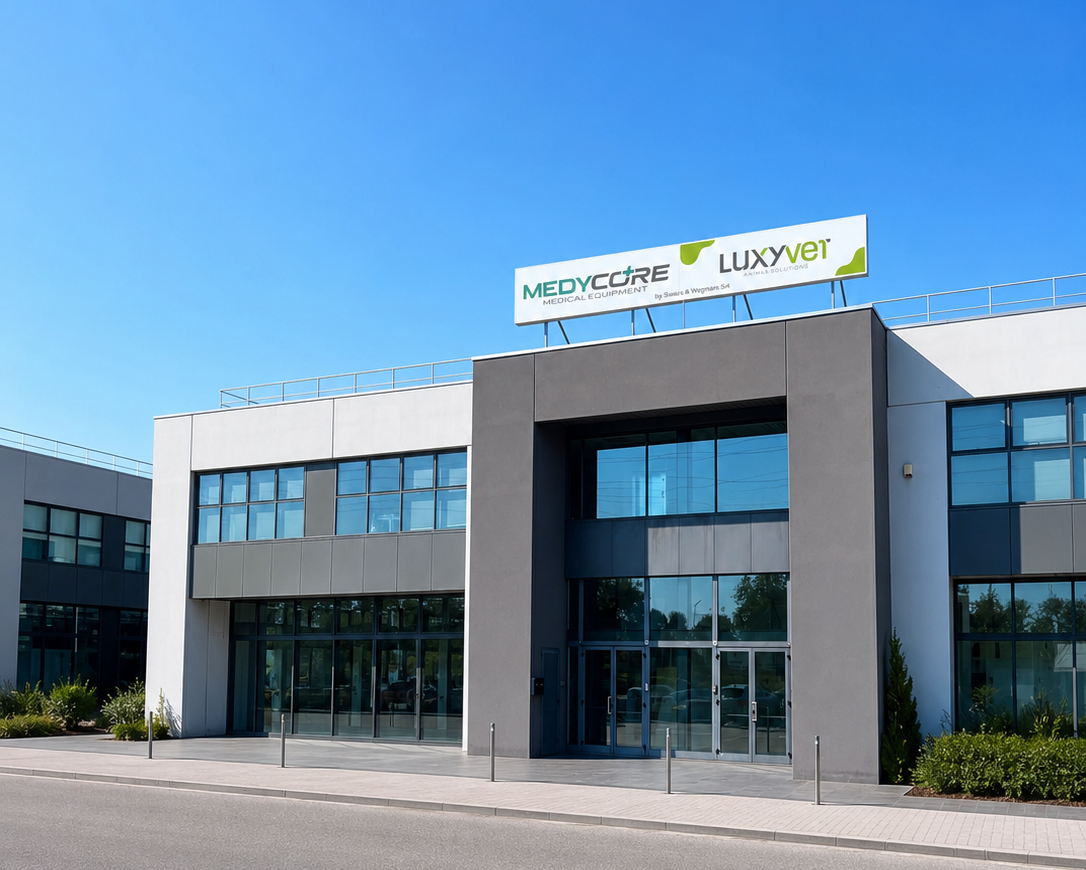
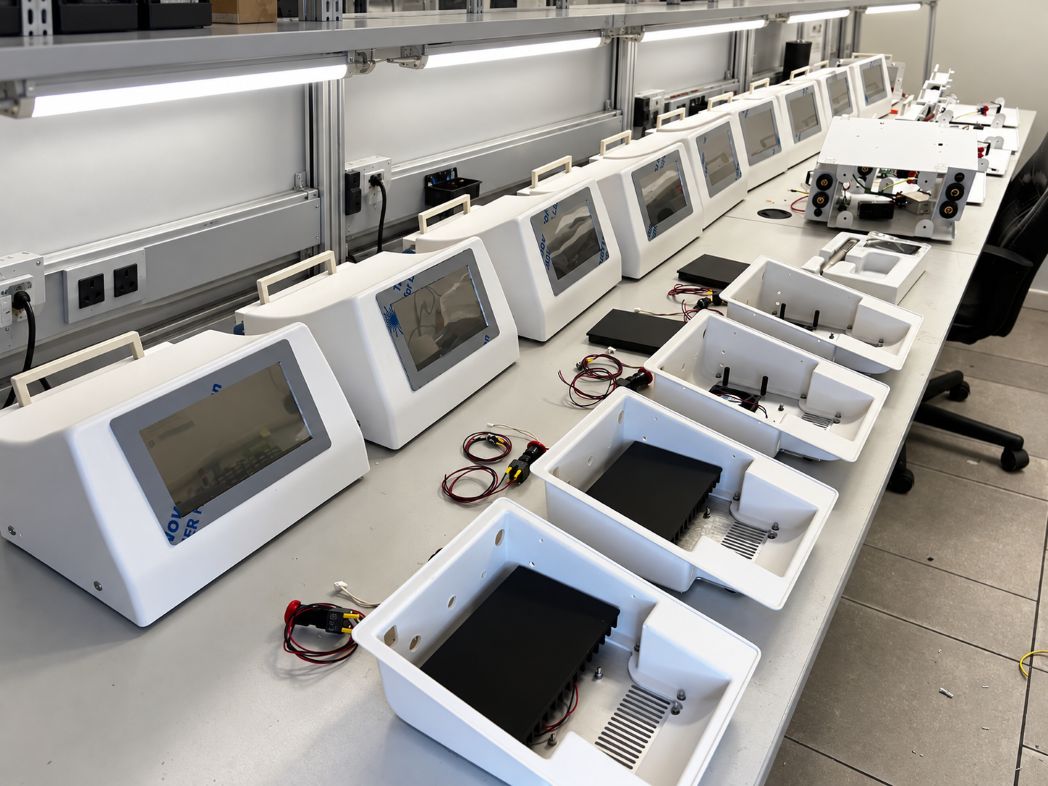
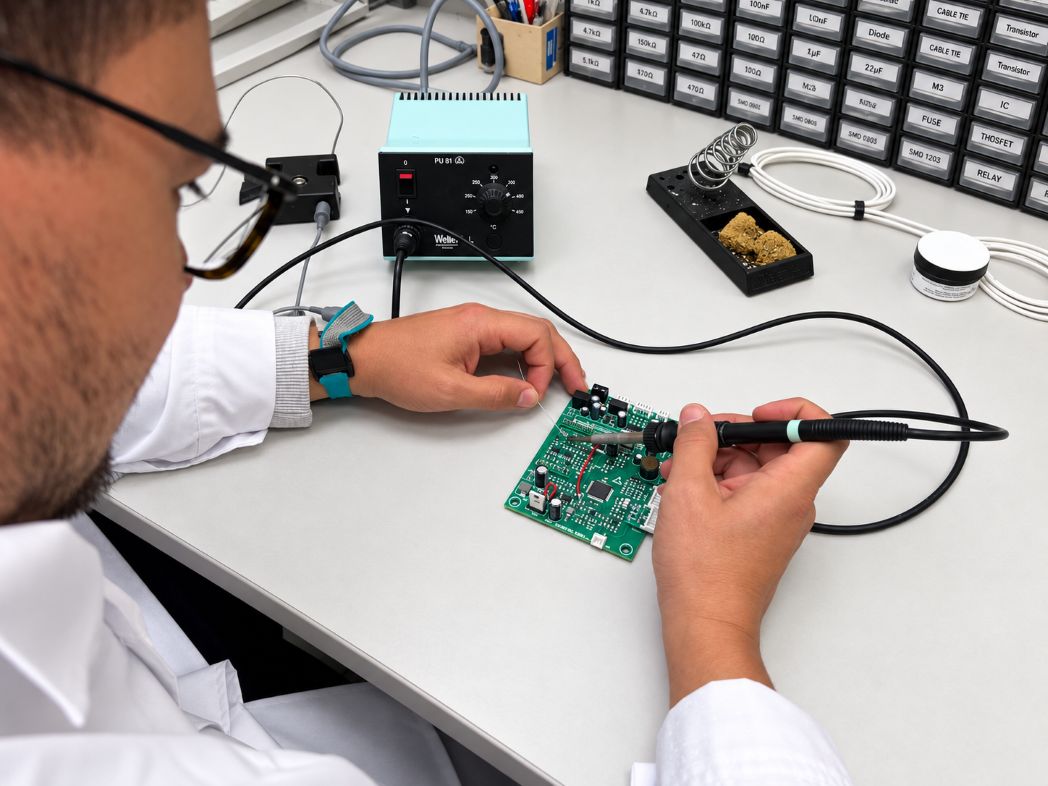
Luxyvet operates in this field as the veterinary brand of Swiss & Wegman Srl, an Italian company based in Padua that specializes in the design and manufacture of laser technology for therapeutic and surgical applications.
Founded in 2009, Swiss & Wegman built its expertise in human medicine before developing a product range specifically for veterinary practice. Today, the company has more than 3,500 electromedical devices installed, has trained over 2,500 professionals, and organizes more than 40 training events each year.
What emerges most clearly from our conversation with Maurizio Manfrin, an engineer and the company’s CEO, is a distinct philosophy: the value of a technology lies not only in its features, but also in the ability to translate those features into practical applications that truly benefit those who care for animals.
From human medicine to veterinary practice: the origins of Luxyvet
Swiss & Wegman was founded in 2009, initially developing technology for human medicine. How did you move into the veterinary sector and create Luxyvet?
“Our company was founded with a clear specialization: designing and manufacturing laser devices for human medicine, with applications in dermatology, physical therapy, and a range of therapeutic and surgical fields. Over the years, we developed particular expertise in dentistry.
Our entry into veterinary medicine was quite a natural progression. Initially, veterinarians approached us to purchase equipment from the human medical sector, often used devices that could also be applied in their own practice.
Over time, however, we saw growing demand and recognized an important issue: although the equipment we supplied could be used in veterinary medicine, it had not been designed specifically for that setting.
We therefore decided to take a different approach to the sector, developing equipment and protocols tailored to the needs of veterinary medicine.”
What truly sets Luxyvet apart from other laser systems?
The laser technology market now offers equipment with a wide range of features, power outputs, and operating modes. But is comparing technical specifications enough to understand a device’s value? According to Maurizio Manfrin, the answer is more complex.
“There are two areas we have invested in from the outset and that I consider fundamental: clinical protocols and training.
When we entered the veterinary sector, we met professionals who already owned a laser but often made very little use of it. The problem was not necessarily the quality of the equipment. Very often, what was missing was adequate training and a practical understanding of how it could be used.
That is precisely where we have chosen to focus our efforts: on protocols, clinical applications, and the results professionals can achieve through appropriate use.”
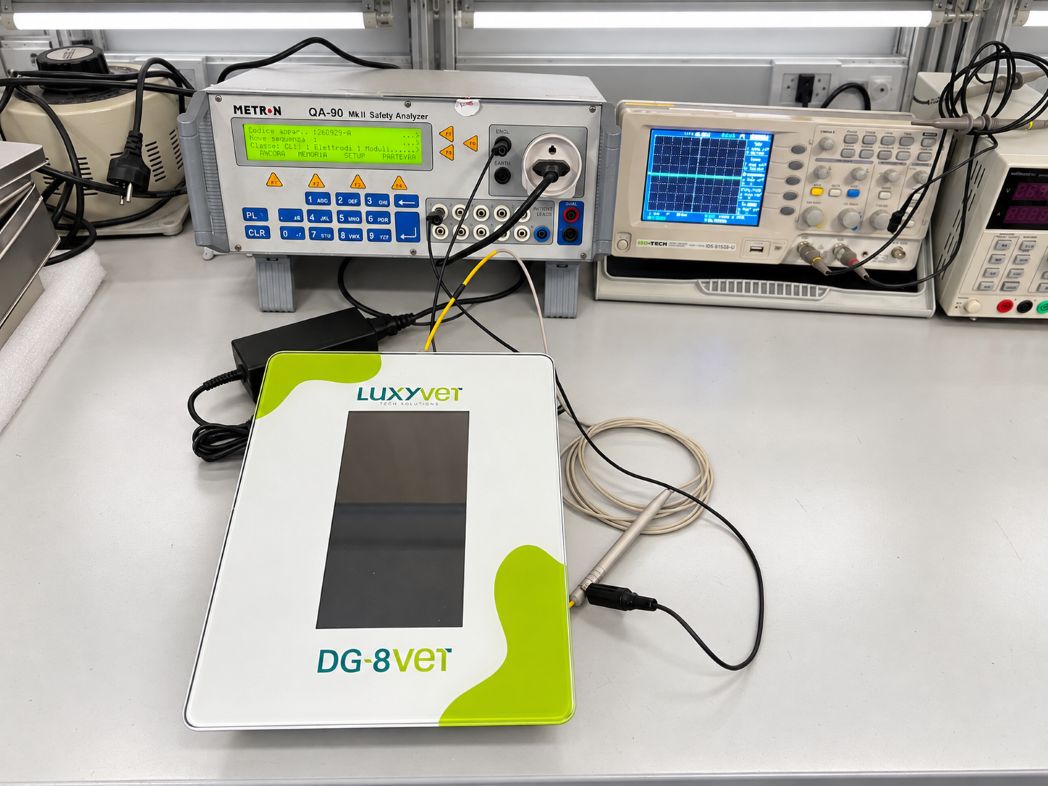
The Luxyvet range includes devices for therapeutic and surgical applications, designed to meet veterinarians’ differing practical needs. A professional who works mainly in a clinic, for example, has different requirements from one who travels between practices and stables every day.
Portability, battery life, and ease of use therefore form an integral part of the design process, alongside the technology itself.
So your focus extends beyond the device to what happens after the purchase?
“Absolutely. For us, a veterinarian who buys a laser and then does not use it represents a failure. Our goal is for professionals to understand what the technology can offer and be able to integrate it into their everyday practice.
That is why we devote a full day to individual training for every professional who purchases one of our devices. Part of the day covers theory, while the rest is practical, using clinical cases selected and discussed in advance with our clinical team.
We want veterinarians to feel comfortable with the device from the outset and understand how to use it in the situations they actually encounter in their work.”
Training as an integral part of the technology
The philosophy Maurizio Manfrin describes is also reflected in the training framework the company has developed. Alongside introductory sessions and individual guidance, Luxyvet provides a platform for continuing professional development, clinical case materials, and a community of more than 300 veterinarians.
This framework encourages professional dialogue and enables users to share their experience of working with the equipment.
“Dialogue among professionals is extremely important, because training cannot end after a single day. We have created a community where veterinarians who use our technology can talk to one another, share their clinical cases, and discuss their results.
This growing body of shared experience also helps us better understand professionals’ needs. We strongly believe in this model, because technology should evolve through dialogue with the people who use it every day.”
This approach also informs the company’s research activities and its engagement with academia, including collaborations with the Universities of Padua and Messina.
Veterinary laser therapy: what possibilities does it offer?
Understanding the growing interest in this technology starts with how it works. Laser therapy relies on the interaction between light and biological tissue. It can serve different purposes depending on the device’s characteristics, the settings used, and the treatment being delivered.
In therapeutic applications, the areas studied include decontamination and the modulation of pain, inflammatory processes, and the cellular responses involved in tissue repair. In surgery, specific properties of laser light enable clean, precise interventions on tissue, with complete hemostasis and substantially shorter healing times.
A focus on the sport horse: wellbeing beyond performance
Caring for the equine athlete’s health encompasses every stage of its activity: training, competition, and recovery are closely interconnected. Managing workload, monitoring physical condition, and recognizing signs of discomfort all help safeguard the horse’s wellbeing over time.
This is the context for Luxyvet’s interest in the equine sector.
Sport horses have specific needs relating both to athletic activity and to everyday care. What opportunities do you see for laser technology in this field?
“It is a sector that interests us greatly and one we want to understand in increasing depth.
We have already developed technology and protocols for veterinary medicine, including equine applications. But we believe there is a particularly interesting area to explore: the animal’s everyday wellbeing and the management of recovery after exercise.
Horse owners and those who work in stables already devote considerable attention to these aspects. Consider, for example, the care routinely provided after a training session or competition.
That is where our thinking begins: understanding whether and how laser technology could offer an additional means of support, through appropriate applications and methods of use designed for the needs of this sector.”
Could this mean making certain applications accessible to people other than veterinarians?
“That is a possibility we are working on, but it is important to make a very clear distinction.
Diagnosing and treating medical conditions falls within the veterinarian’s professional remit. We do not want these roles to be confused in any way.
There are, however, activities relating to the daily management of animal wellbeing that directly involve owners, riders, and grooms. In this area, we are exploring solutions that could be straightforward to use, with clear instructions and dedicated training.
The idea is not simply to place a professional device in the hands of a different type of user, but to develop ways of using it that are suited to that person’s skills and needs.”
Innovation has value when it becomes useful
Looking ahead, what is Luxyvet’s goal?
“Our goal remains the same as it has been from the beginning: to put technology at the service of animal health and quality of life. We want to continue developing tools that address practical needs, supporting those who use them through training and dialogue.
We believe innovation should serve a purpose: it should make a real contribution, be understood, and find practical application in everyday care.
That is why we will continue investing in training, protocol development, and listening to professionals, working to bring the possibilities of technology ever closer to the needs of those who care for animals.”
Luxyvet’s story traces a journey from expertise in human medicine to solutions shaped by the needs of veterinary practice. At its heart is a conviction: no innovation can reach its full potential without the knowledge needed to use it.
For the sport horse sector, these prospects are particularly interesting. Growing attention to the wellbeing of the equine athlete raises new questions about the role technologies such as lasers could play in everyday care.
Answering these questions will require research, training, and documented experience, with a clear distinction between established applications and those that still need further investigation.
After all, when an animal’s health is at stake, progress means more than being able to do something new: it means knowing when to do it, how to do it and, above all, why.
By Alessandra Ceserani
© Rights Reserved.