Two Chef d’Équipes, Two Visions, One Goal: Building a Winning Team
From selecting the right combinations to deciding who takes the final round, Sweden’s Henrik Ankarcrona and Switzerland’s Peter van der Waaij share their thoughts on team selection, jumping order, experience and the importance of looking beyond a single competition.
In team show jumping, every decision counts. From selecting the four combinations that will represent a nation to deciding who takes the first and final round, a chef d’équipe has plenty to consider before the team enters the arena.
Is the most experienced rider always the best choice to go last? Can a rider’s warm-up influence the jumping order? And how much does team spirit really matter when the pressure is on?
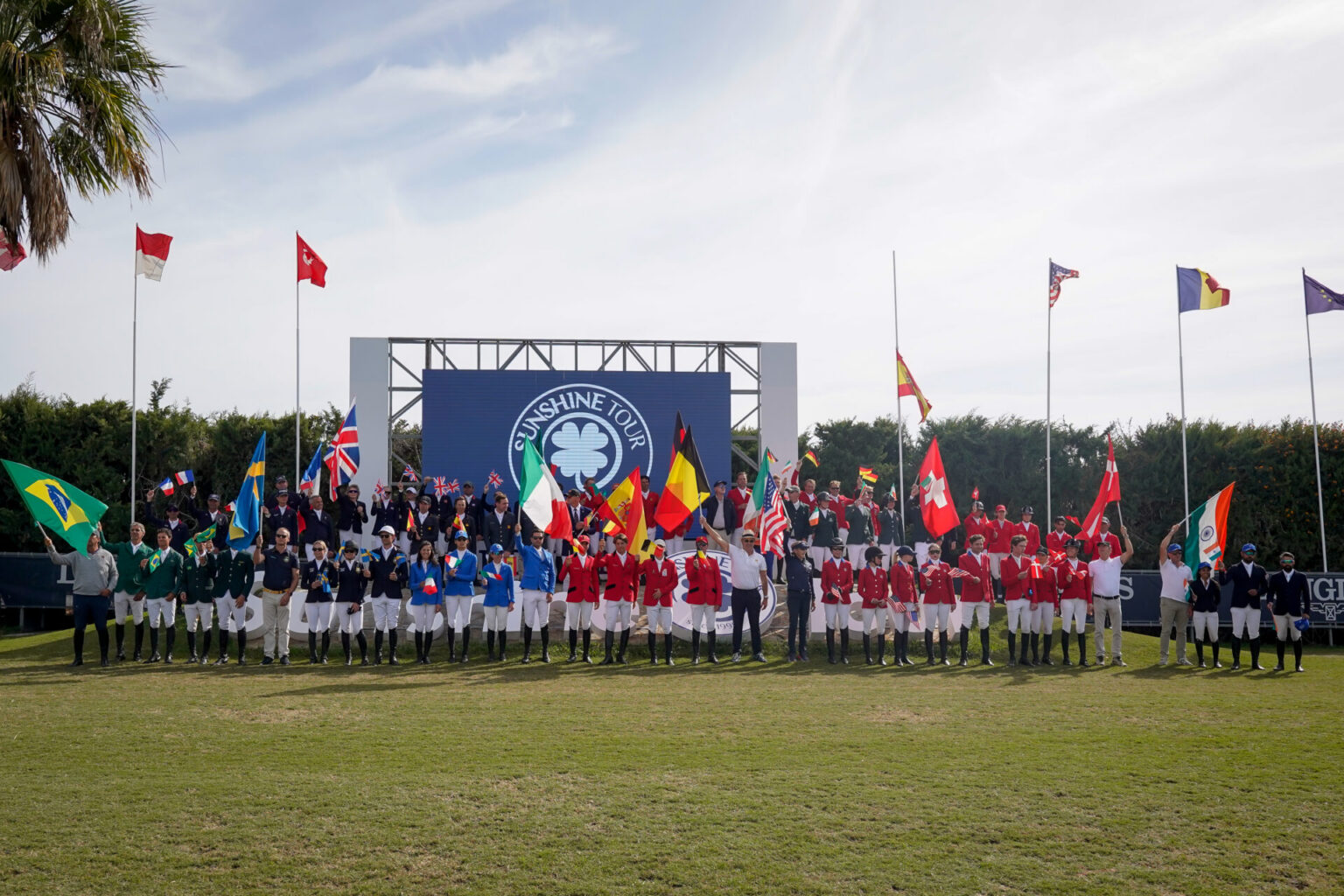
At the Andalucía Sunshine Tour in Vejer, we caught up with two experienced team leaders, Sweden’s Henrik Ankarcrona and Switzerland’s Peter van der Waaij, to discuss the thinking behind their decisions and how they approach the responsibility of building a successful team.
Although their approaches differ in some areas, both share the same objective: putting together the strongest possible team while keeping an eye on the future.
Henrik Ankarcrona: The bigger picture comes first
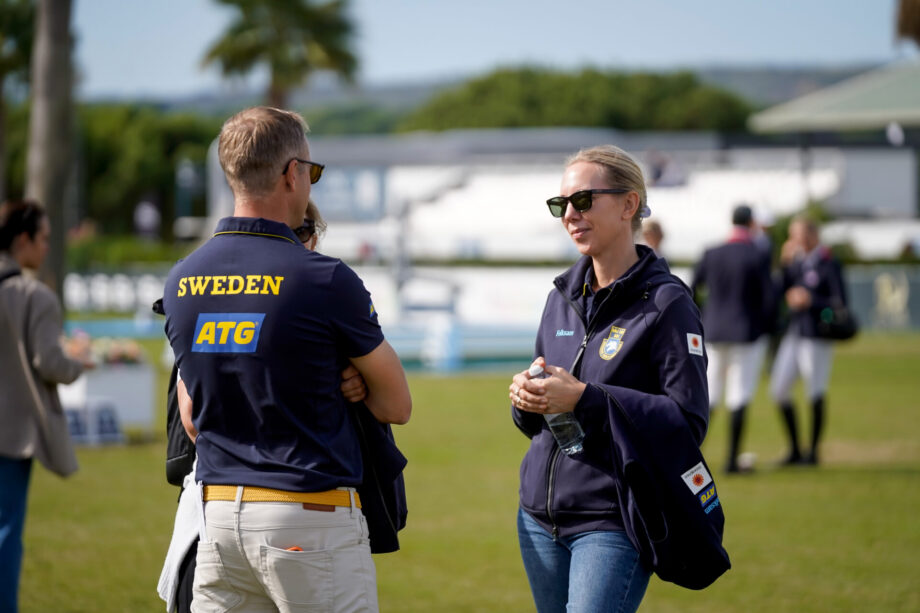
For Sweden’s Henrik Ankarcrona, team selection starts well before the competition itself. While winning is always the ambition, he believes that every decision must also fit into a bigger picture.
When asked whether he ever changes the jumping order at the last minute, his answer was simple: no. And when it comes to consistency versus taking risks, he knows what he prefers.
“Do you prefer consistency over risk?”
“Yes.”
He also believes that the final position naturally comes with additional responsibility.
“Is the last rider under the most pressure?”
“Normally, yes.”
But perhaps his most telling answer came when asked whether team spirit can make the difference between winning and losing.
“Yes.”
For Ankarcrona, the philosophy behind selecting a team goes much further than the four riders chosen for one particular Nations Cup. His decisions are guided by a long-term vision, taking into account the development of both horses and riders.
“My bottom line is that one competition is never more important than a long-term plan. I always try to look further ahead. What’s coming up next? How do we build combinations for the future?”
Of course, winning remains the ambition. But every competition is also an opportunity to gain experience, develop combinations and prepare for future challenges.
“I want to have a strong team, and I want to try to win every time. But it’s a journey. We’re building horses and riders for the future.”
It is a philosophy that requires patience and planning. For Ankarcrona, success is measured over time, with each competition forming part of a bigger process.
Peter van der Waaij: Experience can make its mark from the first round
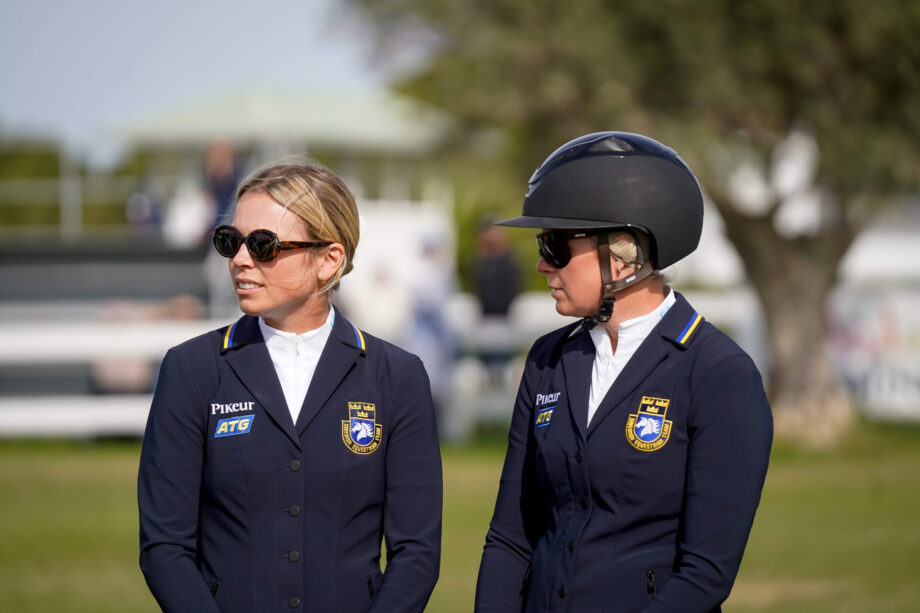
For Switzerland’s chef d’équipe Peter van der Waaij, the jumping order is also a carefully considered decision. He confirms that he always makes the final call on the order, but one common assumption does not necessarily apply to his approach: the most experienced rider does not automatically take the last position.
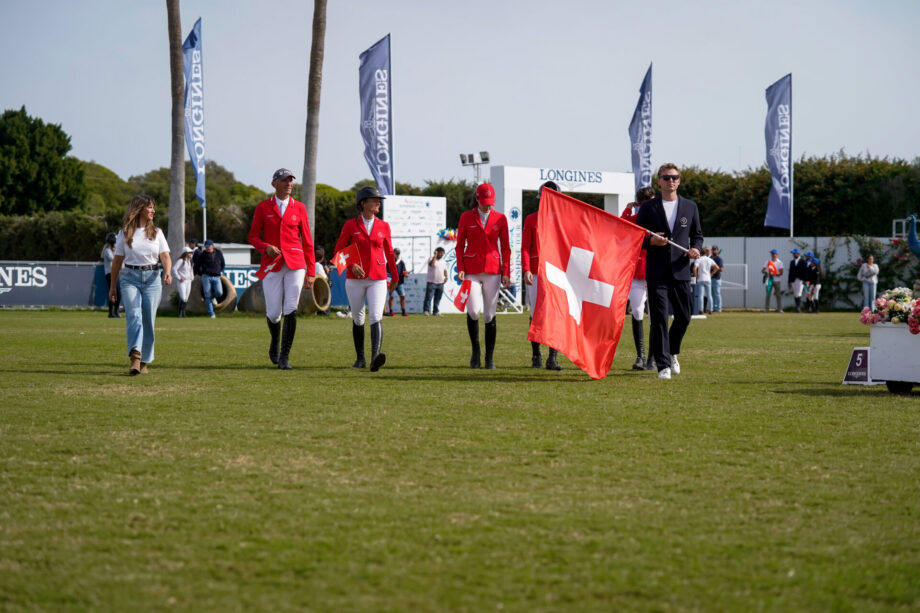
In fact, he sometimes prefers to place the most experienced combination at the beginning of the competition.
When asked whether the most experienced rider is always his last choice, his answer was immediate.
“No.”
He explains why:
“It’s not always necessarily the last that has to be the most experienced. I also like to put the most experienced rider sometimes in the beginning, so he or she can give his or her experience to the other riders.”
Having an experienced combination set the tone can be valuable for the rest of the team. Their performance and presence can help the other riders understand what is required and approach their own rounds with greater confidence.
Switzerland also has several talented young riders who are capable of handling the responsibility of jumping last.
“We are very lucky to have a few really talented young riders that are also good to close as last.”
However, for this particular competition at the Sunshine Tour, the Swiss team decided to place its most experienced rider in the final position.
Van der Waaij also had a clear answer when asked whether the first rider can set the tone for the whole team.
“For sure.”
It highlights how important the opening round can be. A strong start can give the remaining combinations confidence and establish the direction for the rest of the competition.
Two approaches, one team mentality
Although Ankarcrona and van der Waaij have their own ways of approaching team selection and the jumping order, their answers reveal a shared understanding of what makes a successful Nations Cup team.
Experience, consistency, confidence and team spirit all have a role to play. The strongest team on paper is not necessarily the one that performs best on the day. It takes a chef d’équipe who understands each combination, knows how to use their strengths and can bring four individual performances together.
For Ankarcrona, the focus is on building for the future, making sure every competition contributes to the bigger picture. For van der Waaij, experience can be used in different ways, whether to lead the team from the first round or to take responsibility in the final position.
And when it comes to the pressure of that final round, both recognise the responsibility that comes with it.
There may be different ways of building a team, choosing the order and preparing for a Nations Cup, but the objective remains the same: giving every combination the best possible chance to deliver when it matters.
Two nations, two visions and one shared goal: building teams that can perform today while preparing for tomorrow.
© Rights Reserved.