Schönbrunn Palace and the Horse: From Imperial Tradition to a Modern Return

For centuries, Schönbrunn Palace was a place where horses were part of everyday imperial life. They carried the Habsburg monarchy through ceremonies, transported guests, pulled magnificent carriages, and represented the power and elegance of the court. Hundreds of years later, horses have returned to Schönbrunn in a new role, as international athletes competing in the Longines Global Champions Tour Vienna, reconnecting the palace with one of its oldest traditions.
When horses were part of imperial life
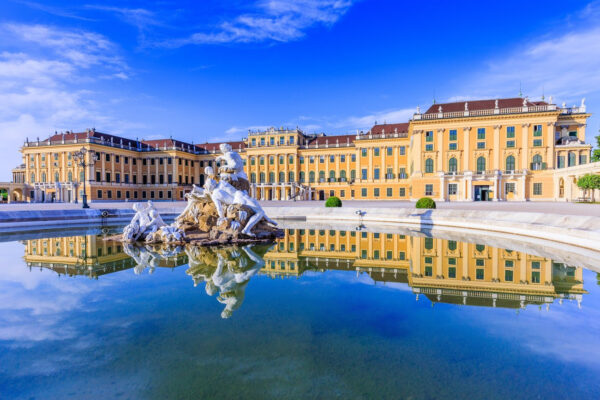
When Schönbrunn became the summer residence of the Habsburg family in the 18th century, the palace was more than a royal home. It was a complete world with gardens, staff, stables, carriages, and traditions that supported the daily life of the imperial court.
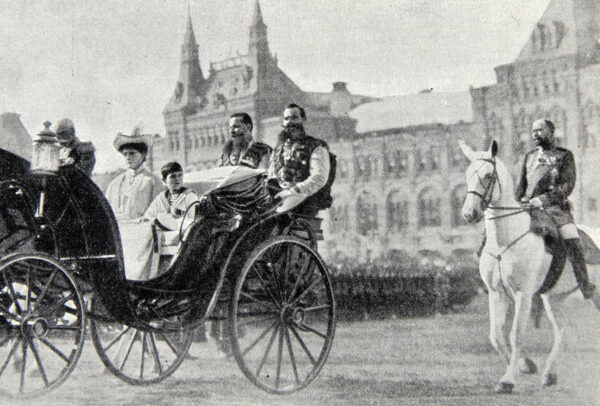
Horses were essential to this world. Before modern transport existed, they were the main way members of the imperial family travelled between palaces, across Vienna, and throughout the empire. Elaborate carriages carried emperors, empresses, royal children, and important visitors. These journeys were often public events, with decorated coaches, liveried coachmen, and carefully trained horses creating a display of imperial ceremony.
The horses also played a role in hunting traditions connected to Schönbrunn. The estate originally developed as a Habsburg hunting and recreation area, where the court spent time outdoors with horses and hunting parties. Riding was an important skill for nobles, connected with military training, leisure, and social status.
The world behind the palace gates
Schönbrunn was designed as a place where every detail represented the importance of the monarchy. The palace contained grand apartments, reception rooms, and halls for political meetings and celebrations. Outside, the gardens extended the imperial image into the landscape.
The long paths of the gardens were ideal for court walks, carriage rides, and ceremonial appearances. The Great Parterre, the fountains, and the view toward the Gloriette created a carefully planned setting where nature and architecture worked together to demonstrate the wealth and influence of the Habsburg court.
Horses were part of this picture. A visitor arriving at Schönbrunn in the imperial era would have seen carriages approaching the palace, horses being cared for by stable workers, and riders moving through the estate.
The importance of horses can still be seen today in the Imperial Carriage Museum at Schönbrunn, which preserves the vehicles, equipment, and objects connected with imperial travel. The collection includes state coaches, ceremonial carriages, riding equipment, and items from the Habsburg court.
The changing role of the horse
After the fall of the Habsburg monarchy in 1918, Schönbrunn changed from a private imperial residence into a historic site open to the public. Cars, trains, and modern transport replaced horses as everyday necessities.
However, the cultural connection between Vienna and horses remained. The Spanish Riding School continued to preserve classical riding traditions, while equestrian sport developed into a modern international competition.
The horse moved from being a requirement of royal life to becoming a symbol of skill, partnership, and sporting achievement.
The horse returns to Schönbrunn
Today, horses once again move through the historic surroundings of Schönbrunn, but in a different way. The Longines Global Champions Tour Vienna brings some of the world’s best show jumping riders and horses to this historic location.
The event creates a connection between two eras. In the past, horses arrived at Schönbrunn carrying emperors and members of the court. Today, they arrive carrying athletes competing at the highest level of international sport.
The discipline has changed, but the relationship remains. Both the imperial court and modern riders depend on trust, training, and communication between horse and human.
Seeing horses at Schönbrunn again creates a unique link between history and the present. The same palace gardens that once welcomed royal carriages now welcome international equestrian champions. The sound of hooves has returned to a place where horses have always been part of the story.
Schönbrunn is remembered for its architecture, its gardens, and its connection to the Habsburg dynasty, but its history also belongs to the horses that helped shape life there. Centuries later, their return reminds visitors that some traditions continue to evolve while remaining connected to their origins.
© Rights Reserved.