
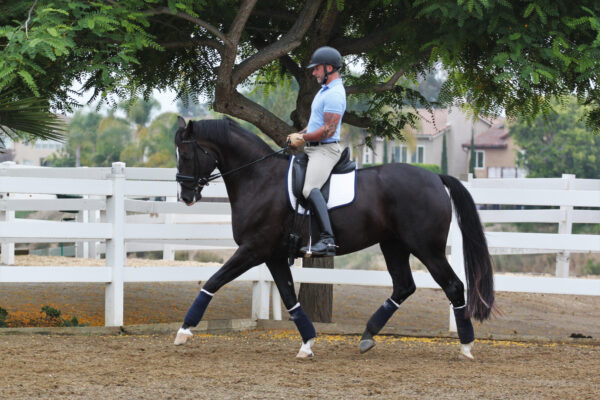
Anmore Dressage: From First Steps to Grand Prix
Anmore Dressage, a clear vision for breeding and developing trainable, balanced dressage horses with long-term sport potential
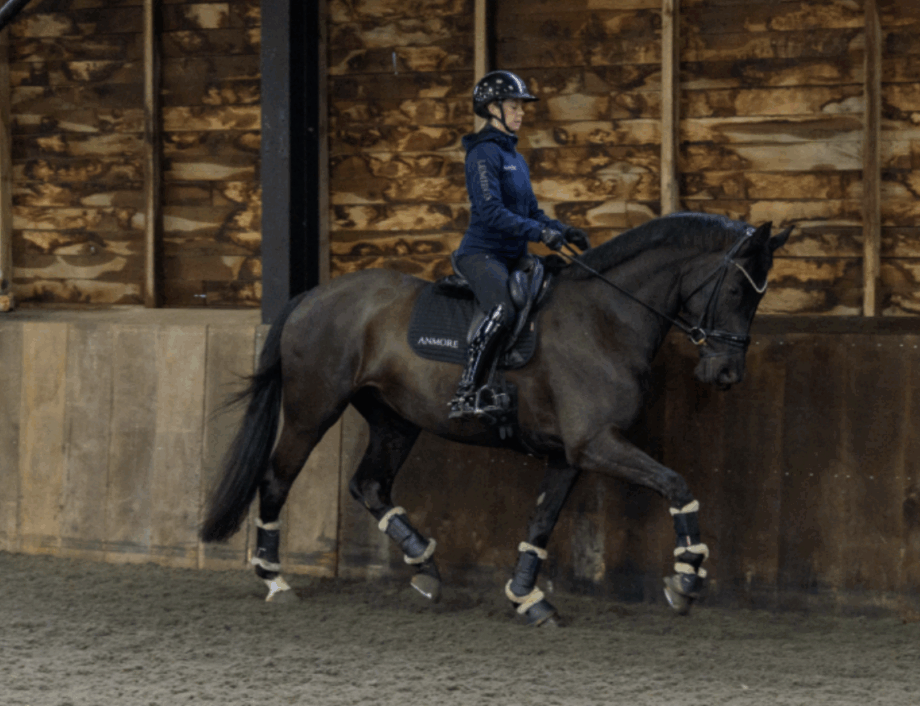
At Anmore Dressage, development starts long before a horse is born. Every breeding decision is made with the future training process in mind, aiming to produce horses that can cope with learning, pressure and progression through the levels without losing confidence or willingness.
The focus is consistent across the programme. The team describes it simply as producing “good quality trainable horses, with potential for longevity within the sport.” That idea shapes how mares and stallions are matched, how foals are assessed, and how early handling is approached.
From the earliest stage, the goal is to create horses that are mentally stable, physically correct and naturally able to cope with the structure of sport horse production.
Trainability as the priority
Trainability sits at the centre of every decision made at Anmore. Movement and pedigree matter, but they are only useful if the horse can take education and apply it under pressure. Without that, long-term development becomes inconsistent.
The team explains that the ideal is “all of the above is ideal, temperament, trainability, movement in that order.” That ordering reflects how decisions are made in practice. A horse with good attitude will always be preferred over one with expressive movement but limited willingness to learn.
This approach also supports longevity. Horses that understand their work early tend to stay more relaxed as the training increases, especially when they reach the more demanding collected work required at higher levels.
Balancing talent with mindset
Lucy Palmer places strong emphasis on finding horses that combine sensitivity with rideability. Too much resistance limits progress, but too little sensitivity can reduce expression and feel in the work.
She explains that the aim is “a balance of talent and ability, sensitive in a rideable way which allows ability to train up the levels.” That balance defines the type of horse the system is built around.
The team consistently looks for horses that respond quickly but do not become overwhelmed. This creates a working mindset where progression can happen step by step without tension building through the training scale.
What defines a top prospect
At young horse stage, the most eye-catching movers are not always the ones that progress furthest. Anmore focuses more on mental qualities and natural balance than raw expression.
The ideal young horse is level-headed, calm and willing. These traits allow repetition, consistency and gradual strength building without loss of rhythm or relaxation.
Lucy highlights this clearly: “A horse doesn’t necessarily need the biggest paces, but clear rhythm and balance alongside a trainable attitude and willingness to work.” This view shapes selection both in breeding and when evaluating young stock under saddle.
Horses that stay straightforward in new environments often become the ones that cope best when the work becomes more technical later on.
Individual development plans
Every horse at Anmore follows its own pathway. There is no fixed timeline, and no expectation that all horses will progress at the same speed. Instead, development is based on readiness, understanding and physical strength.
Some horses spend longer in basic work before being introduced to competition or offered for sale. Others move forward more quickly when they show confidence and clarity in their training.
This structure allows the team to protect the horse’s confidence while still progressing with purpose. It also ensures that decisions are based on the horse’s welfare and long-term future rather than short-term planning.
The system is supported by a large team, which allows daily training to stay consistent even when individual programmes differ.
The importance of the team
Experience at Anmore has shown that results depend as much on people as on horses. Breeding and production involve setbacks, variation in development and constant adjustment, which requires a stable and committed team.
The team describes it directly: “You have to have a strong committed team to work through challenges, with a clear vision of what you wish to achieve.”
That shared direction ensures that every rider and handler works to the same standards. It also allows horses to stay in a consistent system, even when multiple people are involved in their daily education.
Clear communication within the team reduces confusion for the horse and supports steady progress.
Leadership from Jezz and Lucy Palmer
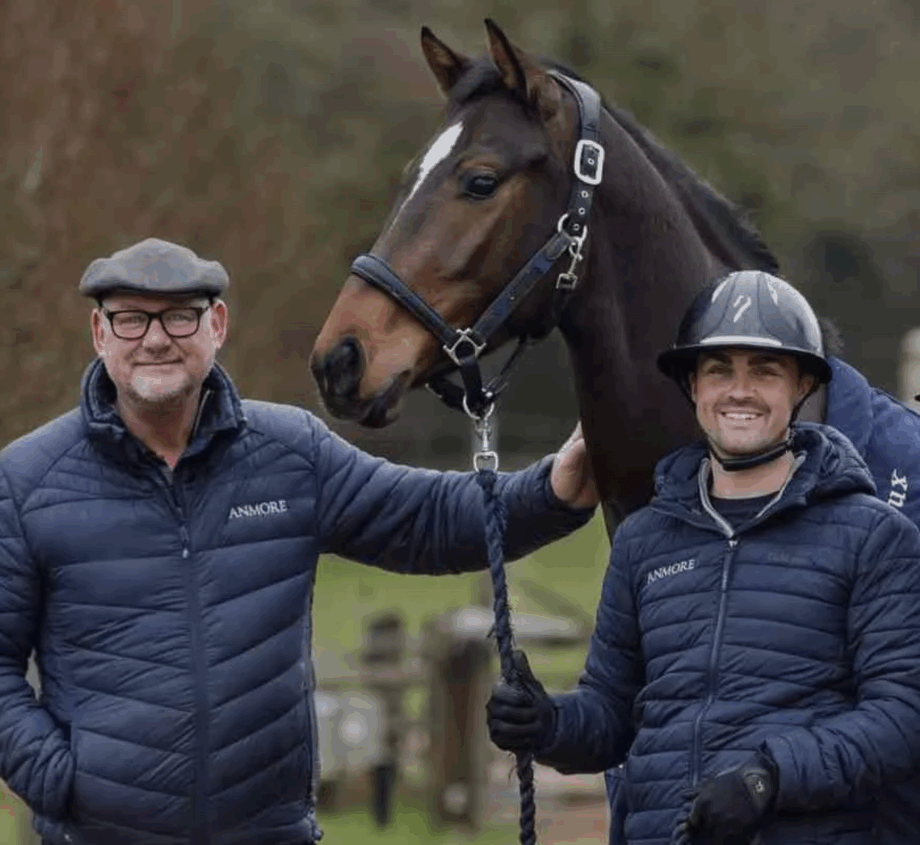
Jezz and Lucy Palmer play a central role in shaping how horses are produced from start to finish. They oversee the training system and remain actively involved in the daily work, including riding many of the horses themselves.
Their approach focuses on continuity. Young horses are introduced to education gradually, with each step designed to prepare them for the next stage rather than create a sudden change in expectation.
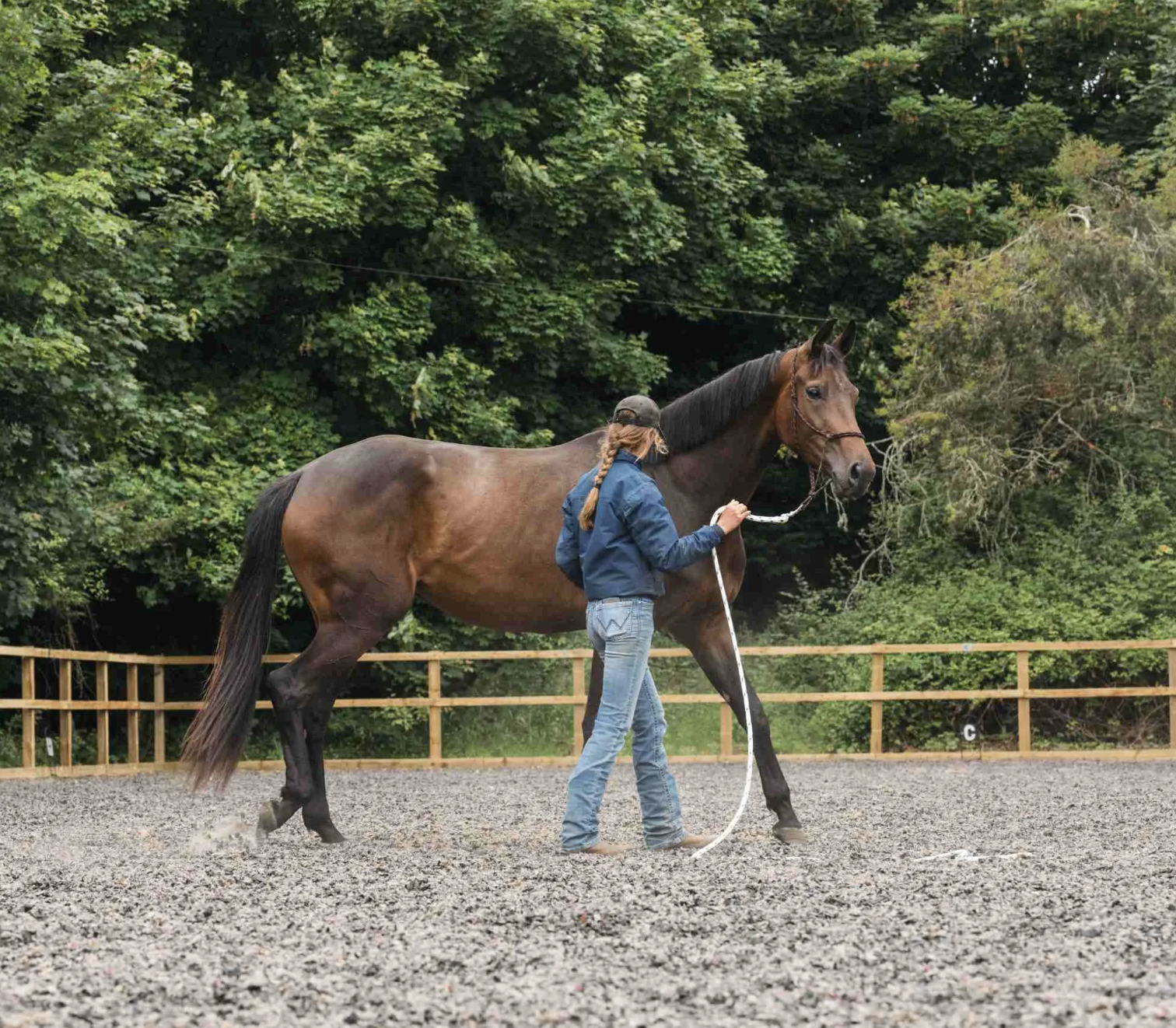
Lucy explains this philosophy clearly: “We create a system for the younger horses to follow, which allows the breaking in to be an extension of each horse’s education from very young horses.”
This structure means that backing is not treated as a separate phase, but as part of a continuous learning process that begins in early handling and groundwork.
As horses progress, Jezz and Lucy remain closely involved, supporting both ridden work and the wider team to maintain consistency across all levels.
Future direction and reputation
Looking ahead, Anmore aims to continue developing both young horses and competition horses within the same system. The long-term goal is to produce horses that can move from early education through to Grand Prix level while maintaining rideability and confidence.
The focus is not only on sport results but also on matching horses with the right riders. Creating suitable partnerships is considered a key part of long-term success, particularly for horses with strong temperament and trainability.
The team also aims for growth within the industry while maintaining consistency in quality. The vision is to be recognised for producing horses that are correctly trained from a young age, with a positive attitude to work and the ability to develop through the levels in a reliable way.
At the centre of everything remains a simple idea. Horses are selected, bred and trained with long-term rideability in mind, ensuring they can perform at higher levels while staying willing, confident and straightforward in their work.
Valentina sozzi – Ph Anmore Dressage
© Rights Reserved.