Anxiety in Show Jumping: The Conversation We Need to Have
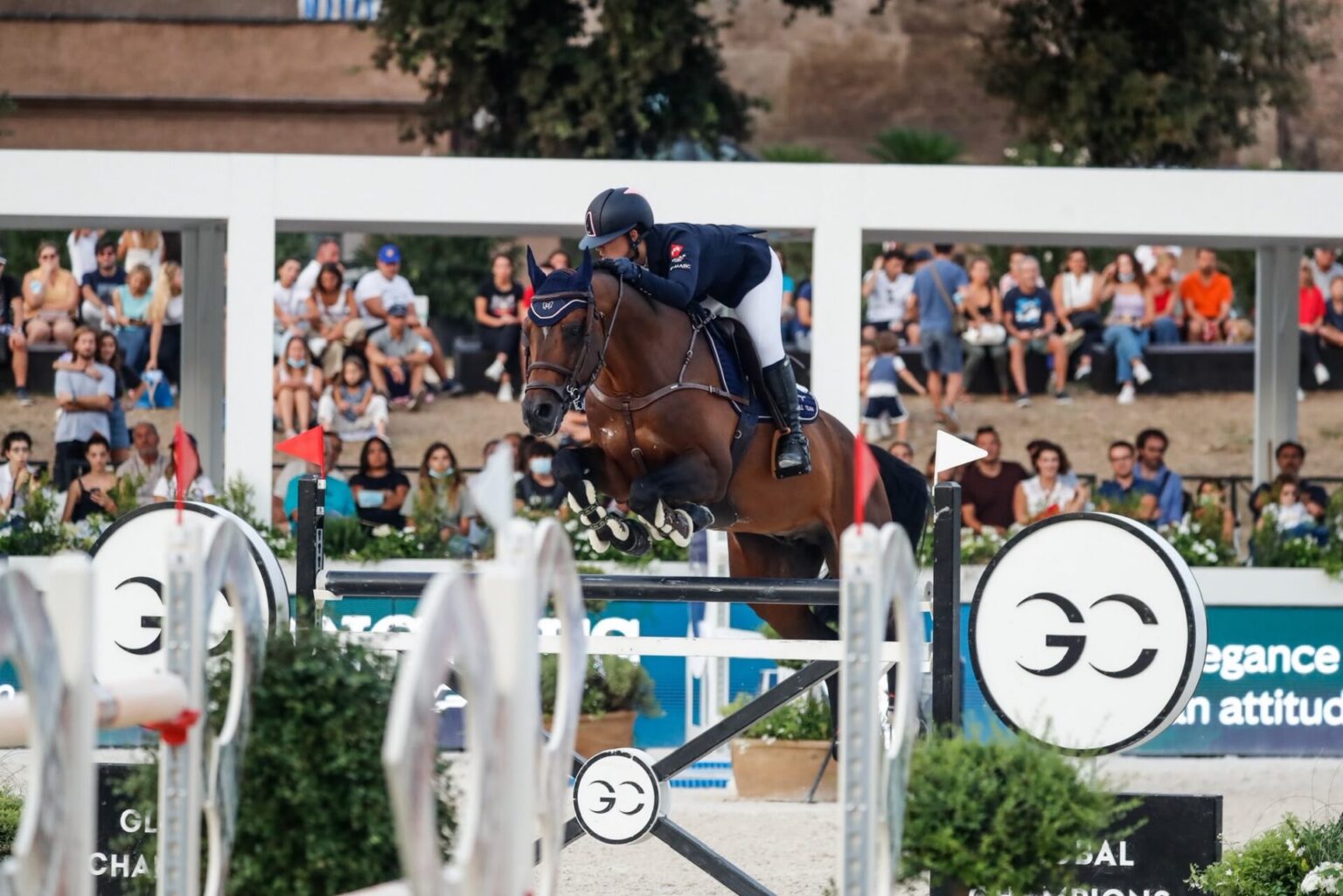
Performance pressure, panic attacks, the fear of getting back in the saddle and the expectations that come with competing at the highest level. At the GCL Playoffs in Verona, we sat down with Giulia Maggiulli, who openly shared her personal journey and the challenges she faced in finding her way back to the sport she loves.
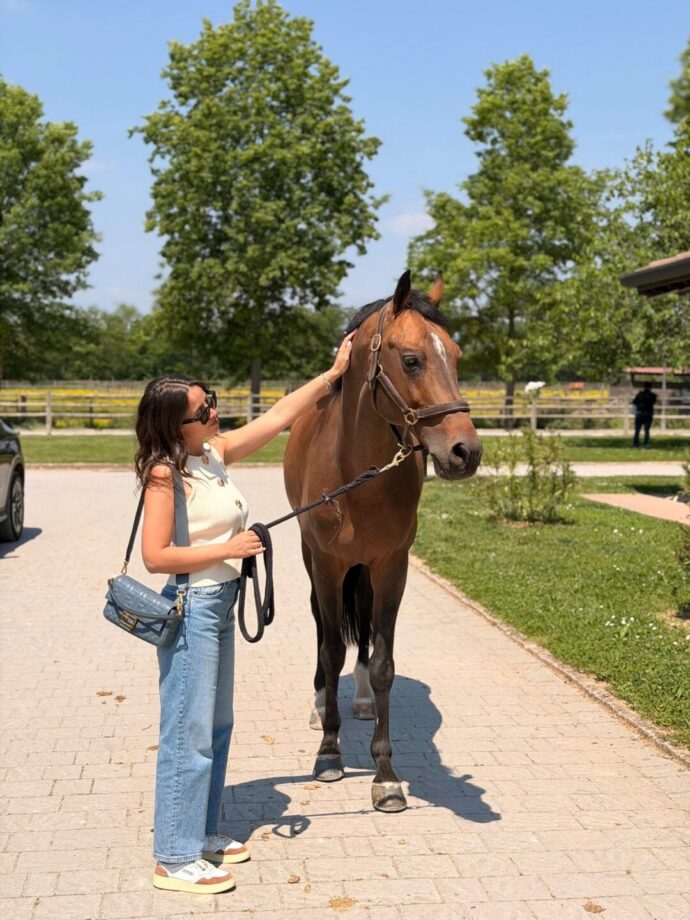
In equestrian sport, conversations often revolve around results, rankings, clear rounds and the next competition. Much less attention is given to what happens behind the scenes, and inside a rider’s mind, before entering the arena.
Competition anxiety is something many riders experience, yet it remains a topic that is rarely discussed openly. The pressure to perform, the fear of making mistakes and the expectations placed on athletes can sometimes become overwhelming, even for those competing at the highest level.
At the GCL Playoffs in Verona, we spoke with Giulia Maggiulli, who shared a deeply personal part of her story. Her experience highlights the importance of recognising anxiety, seeking professional help and understanding that finding your way back to the saddle takes time.
When the pressure becomes too much
Giulia enjoyed a demanding junior career, regularly competing in the major Young Rider events, including Nations Cups and Italian Championships. For years, she managed the demands of the sport, until the transition into higher-level competition brought a different kind of pressure.
“I suffered from quite severe panic attacks, which also manifested themselves physically. At one point, we had even considered a diagnosis of epilepsy, but they were actually very severe panic attacks.”
As the level of competition increased, so did the pressure.
“I reached a point, at the beginning of my Young Rider years, when the classes became really important and the pressure increased just as much. I could no longer manage it properly and, most importantly, I didn’t seek help.”
The situation gradually became more difficult.
“From jumping important Young Rider classes, I reached a point where I couldn’t even get back on a horse. Whether it was my own horse or a school horse, I would get this tight feeling in my throat. Even thinking about jumping again became incredibly difficult.”
For someone whose life had always revolved around horses, it was a particularly difficult experience to accept.
Finding the courage to ask for help
Getting back to riding was a long process that required professional support, patience and a gradual approach.
“Thanks to psychotherapy, a wonderful psychologist and a psychiatrist who supported me, after around three years of therapy, and taking things very slowly, I eventually managed to get back in the saddle, step by step.”
There was no immediate return to competition. Giulia started with flatwork, gradually introduced small jumps and eventually began competing again.
“At first, I was only doing flatwork. Then I started jumping a few small classes at competitions. Interestingly, I actually felt more anxious jumping at home than I did at shows.”
Alongside professional support, Giulia highlights the importance of having the right people around her.
“Having a team that didn’t put pressure on me, that gave me emotional support and respected my timing and what I wanted to do was fundamental.”
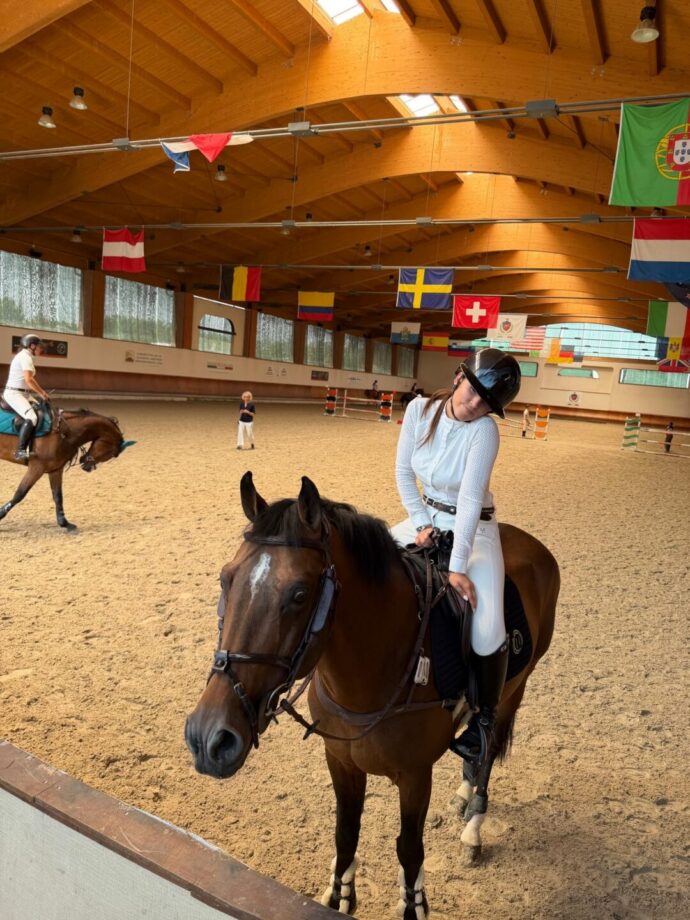
Knowing when to take a step back
During our conversation in Verona, Giulia also shared a recent example of how much her approach to competition has changed.
The previous day, she had jumped one of the biggest classes of her programme, producing a clear round in a challenging competition. However, despite the good result, she realised that she had not enjoyed the experience as much as she would have liked.
“I felt that I wasn’t there to enjoy myself anymore and that I was starting to feel a little bit of pressure again. So today I decided to drop down a class, and I had such a great time.”
It was a conscious decision, reflecting how much she has learned to listen to herself throughout her recovery.
“I’m still on this journey to get back to feeling one hundred per cent like myself and enjoying the sport, because that’s the most important thing. I do this sport because I enjoy it.”
For Giulia, success today is also about recognising how she feels and making decisions that allow her to continue progressing without putting unnecessary pressure on herself.
How much do our horses feel?
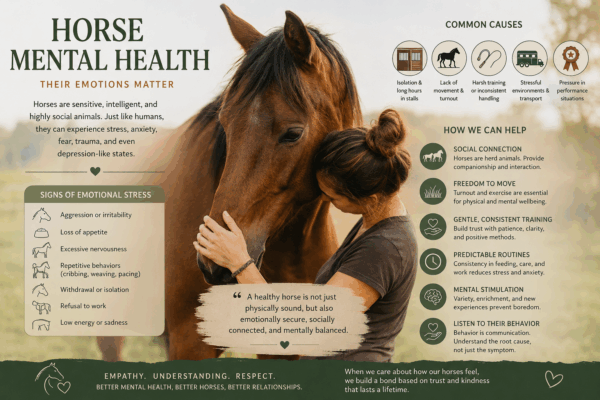
One of the most interesting parts of our conversation focused on the relationship between a rider’s emotions and their horse’s reactions.
Giulia recalled an experience that made her realise just how much her own anxiety could affect her horse, a partner she has known for eleven years.
During a Regional Championship, she was competing in a class that she considered well within her capabilities. She was among the favourites and expected to be fighting for a medal. However, despite believing she was ready for the competition, she was unconsciously carrying a great deal of tension.
After three clear rounds and a strong position in the standings, her horse began resisting at the gate during the final round, resulting in their elimination.
“It was a competition that was really within my capabilities. I was actually one of the favourites. But unconsciously, I was very tense, even though I thought I was there to win a medal. My horse, whom I’ve known for eleven years and who knows me incredibly well, started resisting at the gate.”
Looking back, Giulia began to understand what might have happened.
“At first, I couldn’t explain it. But when I got back to the stables, I was partly frustrated and partly aware that he had really picked up on my tension. I think he sensed a different kind of pressure, a different tension in the saddle. Knowing me so well, he reacted to it, and that eventually led to our elimination.”
The experience became an important moment of self-awareness.
“I realised just how much he picks up on these things, and that I really need to work on myself. He’s there to do his very best, and he doesn’t need someone putting extra weight or fear on his shoulders.”
For Giulia, working on her own mental well-being is also a way of taking care of her horse and the relationship they have built together.
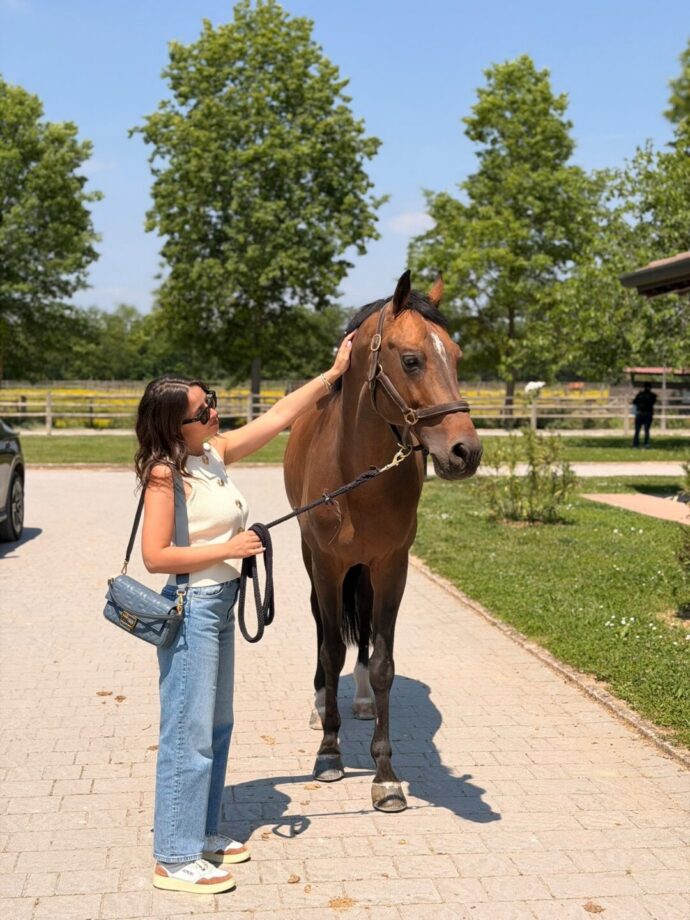
The people around you matter
Throughout her experience, Giulia has also learned how much the environment surrounding a rider can influence confidence and self-esteem.
“When I had people around me who were demotivating me or simply weren’t fully supportive, my self-confidence went down. And when your confidence drops, especially in a sport at a high level where you need to believe in what you’re doing, everything becomes more difficult.”
Show jumping requires trust, concentration and confidence, particularly because of the risks involved. Competing while feeling anxious or constantly under pressure to prove yourself can make an already demanding sport even harder.
Finding a team that supports both her and her horse, respects their timing and allows them to progress without unnecessary pressure has been an important part of Giulia’s journey back.
There is no need to rush back
Giulia’s experience carries an important message for riders who have struggled with competition anxiety, lost confidence or found themselves questioning their ability to continue doing something they once loved.
Her advice is simple: ask for help and give yourself time.
“My advice would definitely be to seek help, because it’s really difficult to deal with these things on your own. Accepting that you have anxiety issues is not easy at all. It takes time and patience with yourself.”
And perhaps the most important reminder she shares is that there is no deadline for finding your way back.
“Don’t rush. Equestrian sport will always be there waiting for you. There are thousands of horses out there, so take all the time you need to process everything and move forward one step at a time.”
In a sport where success is so often
© Rights Reserved.