
HEAT AND HYDRATION MANAGEMENT IN HORSES DURING COMPETITION
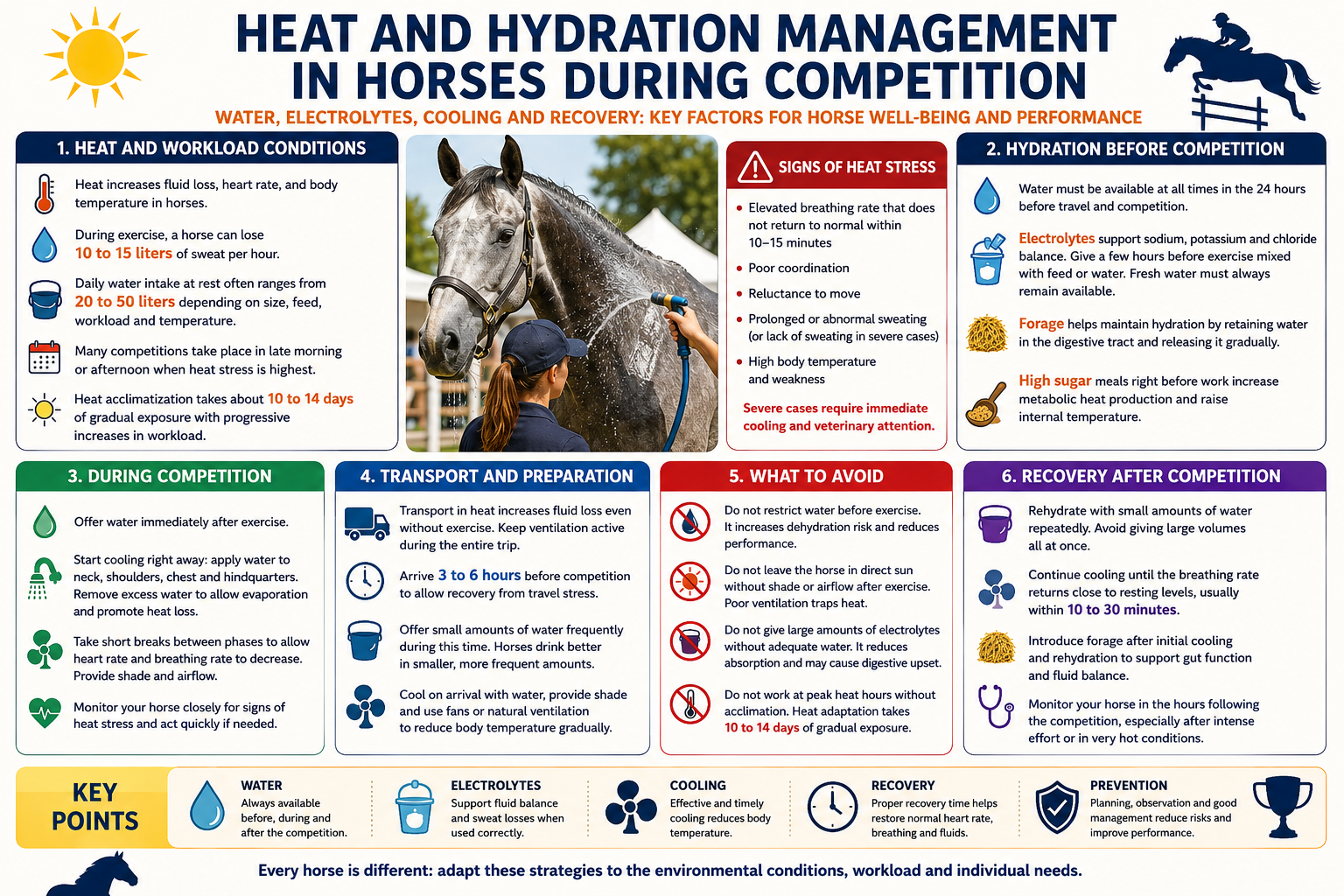
Heat increases fluid loss, heart rate, and body temperature in horses. During exercise, a horse can lose 10 to 15 liters of sweat per hour. Daily water intake at rest often ranges from 20 to 50 liters depending on size, feed, and temperature. Many competitions take place in late morning or afternoon when environmental heat peaks.
HYDRATION BEFORE COMPETITION
Water must stay available at all times in the 24 hours before travel and competition. Mild dehydration at arrival reduces performance and slows recovery after exercise.
Electrolytes support sodium, potassium, and chloride balance. They are usually given a few hours before exercise mixed with feed or water. Fresh water must still remain available at all times.
Forage supports hydration by retaining water in the digestive tract. High sugar meals right before work increase metabolic heat production and raise internal temperature.
DURING COMPETITION
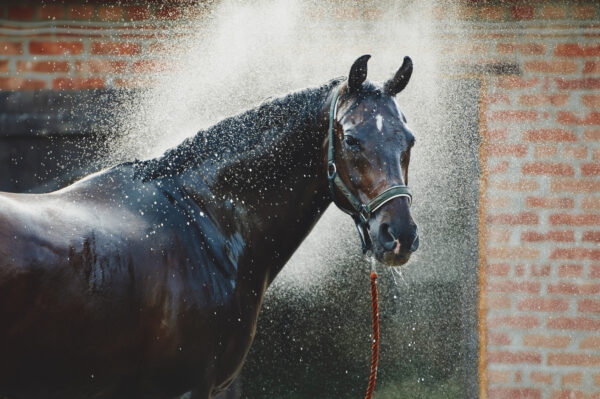
Water should be offered immediately after exercise. Cooling starts by applying water to large muscle groups such as neck, shoulders, and hindquarters. Removing excess water helps evaporation and heat loss.
Short recovery breaks during multi-phase events reduce heart rate and breathing rate. Shade and airflow reduce heat buildup while waiting.
Signs of heat stress include breathing that stays high for 10 to 15 minutes after work, poor coordination, reluctance to move, or abnormal sweating patterns. Severe cases require immediate intervention.
TRANSPORT AND PREPARATION
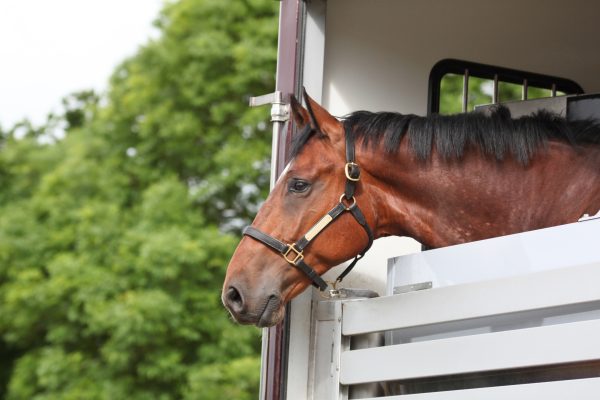
Transport in heat increases fluid loss even without exercise. Ventilation must stay active during travel. Stopping in direct sun without airflow increases body temperature quickly.
Arrival 3 to 6 hours before competition supports recovery. Small and frequent water intake works better than large single drinks during this period.
Cooling on arrival includes water application, shade, and airflow from fans or natural ventilation.
WHAT TO AVOID
Limiting water before exercise increases dehydration risk and reduces performance.
Standing in direct sun without airflow slows heat loss after work. Poor ventilation traps heat.
Large electrolyte doses without water reduce absorption and may cause digestive discomfort.
Working during peak heat without acclimation increases risk. Heat adaptation usually takes 10 to 14 days of gradual exposure and controlled workload.
RECOVERY AFTER COMPETITION
Water should be given in small repeated amounts after exercise. Large volumes at once can reduce voluntary drinking later.
Cooling continues until breathing rate approaches resting levels, usually within 10 to 30 minutes depending on workload and temperature.
Forage is introduced after initial cooling and rehydration to support gut function and fluid balance.
KEY POINTS
Heat control depends on sweating, hydration, airflow, and workload intensity. Hot-weather competition increases demand on all four factors. Consistent water access, controlled electrolyte use, active cooling, and structured recovery reduce heat load.
© Rights Reserved.