
Horses and Emotions: Why Horses Help with Trauma, Anxiety, and Stress
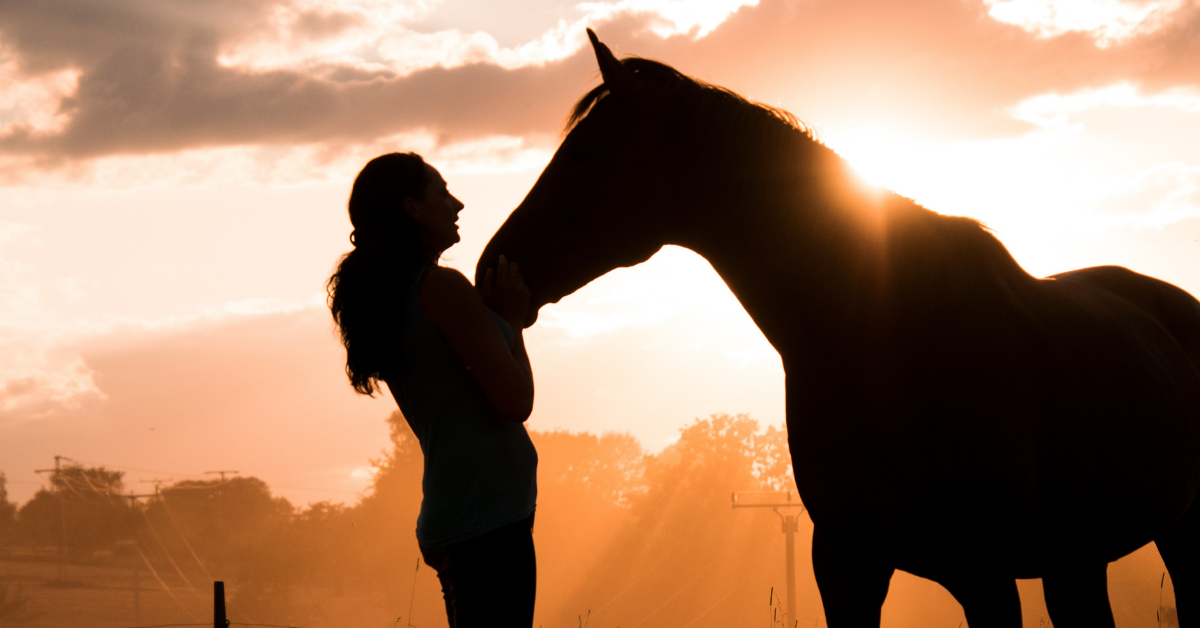
Horses detect anxiety, fear, stress, anger, and sadness before a person fully controls or hides them. This sensitivity is one reason equestrian work has moved closer to emotional well-being and assisted support programs in recent years.
Many experiential horse workshops are built around this ability. A horse reacts immediately to the emotional state of the person in front of it. It does not respond to words. It responds to posture, breathing, muscle tension, and levels of agitation.
For people dealing with stress, trauma, or emotional difficulties, interaction with a horse becomes a direct form of communication. This is why therapists, educators, and equestrian centers increasingly use horse-based activities to support mental balance, trust, and emotional awareness.
How horses read human body language
The horse is a prey animal. Survival depends on detecting danger in seconds. This creates a high sensitivity to environmental changes, including human behavior.
A horse constantly reads:
- posture
- muscle tension
- sudden movements
- breathing rhythm
- voice tone
- overall tension level
This makes horses highly responsive to human emotional states. Even when a person tries to appear calm, the horse often detects internal stress through the body.
Many instructors describe this as emotional consistency. When inner state and external behavior do not match, horses often respond with caution or distance.
This is a key reason the human-horse relationship is considered direct and unfiltered.
Why horses support trauma recovery and emotional blocks
Horse-assisted work is now included in many programs focused on mental and emotional health.
It is used to support people dealing with:
- anxiety
- chronic stress
- burnout
- depression
- emotional trauma
- post-traumatic stress
- relationship difficulties
- low confidence
People who have experienced trauma often stay in a constant alert state. The body remains tense even when no real danger is present. Horses detect this tension immediately.
During exercises, horses may:
- move away
- avoid contact
- show nervous behavior
- observe from a distance
When a person slows breathing, relaxes the body, and regains focus, the horse often changes behavior quickly.
Many participants describe this moment as emotionally intense because it reflects internal state in real time.
Horse emotional workshops: what actually happens
More equestrian centers now run workshops focused on personal development through horse interaction.
Riding is often not included.
Most activities happen on the ground:
- leading a horse freely
- trust-based exercises
- breathing awareness
- herd observation
- body language work
- fear management
- presence and focus training
In some sessions, participants enter a space with a horse without speaking. Each person receives a different response from the animal.
Some are followed by the horse.
Some are ignored.
Some feel discomfort when the horse approaches.
These reactions are used as behavioral feedback to observe emotional patterns and reactions under pressure.
The horse as an emotional mirror
A well-known idea in equestrian culture says:
“The horse is a mirror of the person in front of it.”
Horses do not respond to social roles, appearance, or verbal explanations. They respond only to what is expressed through behavior in the present moment.
For people dealing with stress or trauma, this can be a strong experience. Many individuals spend years trying to control emotions and reactions. In front of a horse, this control often weakens.
This creates a moment where attention shifts to breathing, posture, and body awareness.
Why contact with horses reduces stress and anxiety
Time spent in a stable environment changes mental rhythm. Horses require calm movement, attention, and steady presence.
People involved in equestrian activities often report:
- lower stress levels
- calmer mental state
- more stable breathing
- increased confidence
- better emotional regulation
Simple tasks like grooming, walking, or feeding a horse also support relaxation by reducing mental overload and shifting attention to physical action.
This is one reason horse interaction attracts people even outside competitive riding.
Equestrian culture beyond sport today
Modern equestrian culture includes more than competition and training. Many people approach horses for emotional balance, trust development, and mental stability.
Horse-assisted workshops are growing across Europe because they offer structured interaction with immediate behavioral feedback.
A horse responds to what a person communicates through presence and action, not words.
This direct response is what keeps the human-horse relationship central in both sport and emotional well-being practices.
© Rights Reserved.