West Nile: What Equine Vaccination Can Teach Us About Human Health
West Nile disease, also known as West Nile fever, is an increasingly prominent threat to global health. According to a scientific review published in Viruses (“Lessons Learned from West Nile Virus Infection: Vaccinations in Equines and Their Implications for One Health Approaches”, 2024), horses are not merely potential victims of this viral disease: they also offer valuable insights into improving prevention and public health responses worldwide.
Transmitted by mosquitoes, the virus has its natural reservoir in migratory birds, while horses and humans are considered “dead-end hosts”, meaning they do not pass the virus on through the mosquito transmission cycle. Nevertheless, similarities between equine and human clinical and immune responses to infection make horses a valuable model for studying and controlling the disease.
The US experience: the success of equine vaccination
Following the introduction of equine West Nile vaccination in the United States in 2002, clinical cases fell dramatically: from more than 15,000 infected horses in 2002 to far fewer cases in subsequent years, with sporadic peaks confined to unvaccinated animals. The same cannot be said for humans: hundreds of neuroinvasive cases and dozens of deaths continue to be recorded in the US each year.
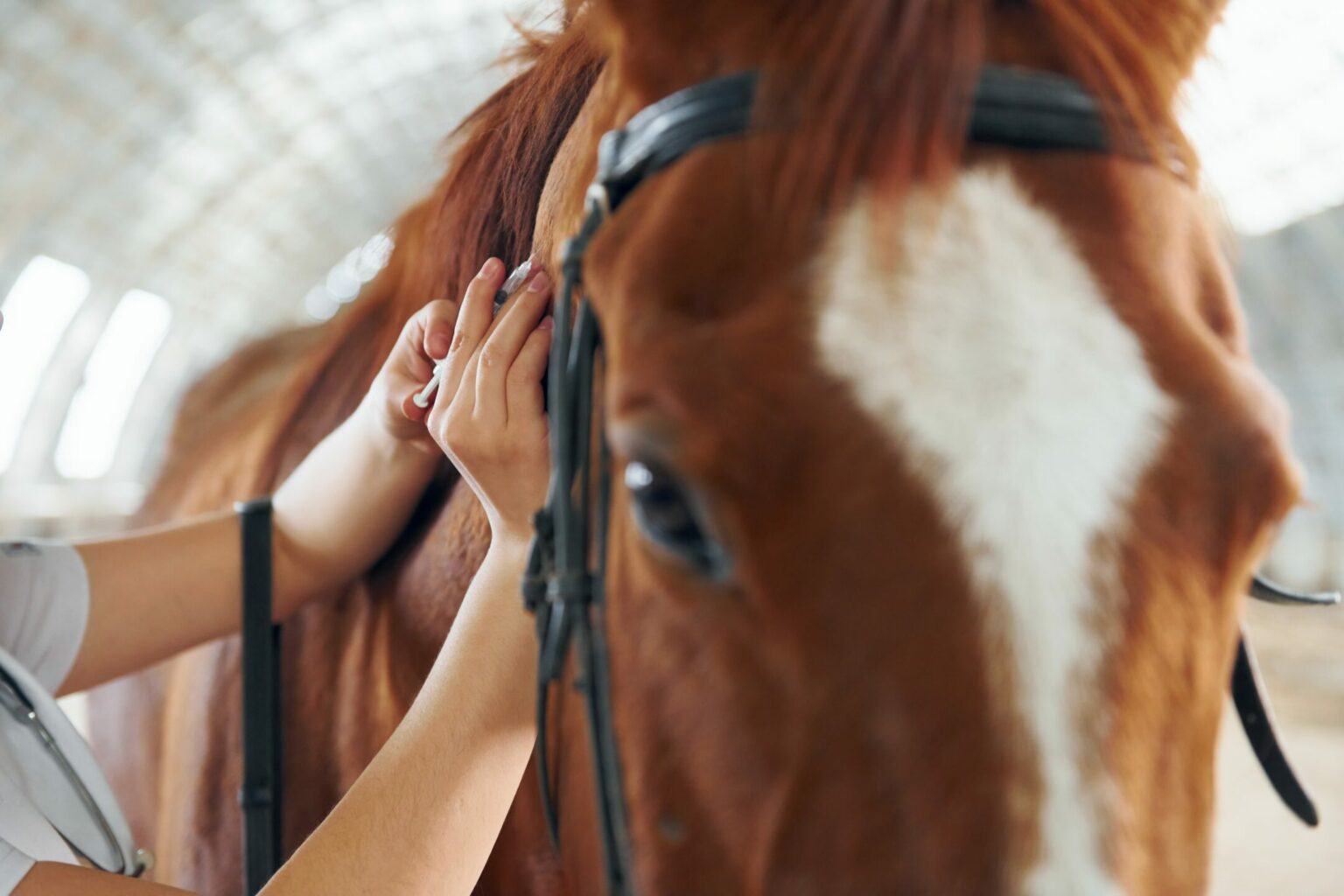
This contrast underscores an essential point: vaccination works. In horses, it has demonstrated protective efficacy, a sustained immune response and the ability to induce both humoral immunity, involving antibodies, and cellular immunity, involving T lymphocytes. Equine vaccination programmes have prevented economic losses, animal suffering and the spread of the virus into new territories.
For a closer look at the practical benefits of equine vaccination and how best to protect your horse, we recommend reading:
West Nile Disease: How to Protect Your Horse
West Nile in Italy in 2025: Why Vaccinating Horses Is Essential
Horses are therefore more than patients in need of protection: they also provide a naturally occurring model for studying human disease. Similarities in clinical presentation, disease mechanisms and immune responses allow researchers to evaluate vaccines, identify immune correlates of protection and deepen their understanding of the immune response.
This approach reflects the One Health framework, which recognises the interconnectedness of human, animal and environmental health. Monitoring and protecting horses can therefore also contribute indirectly to protecting human populations.
Why is there still no vaccine for humans?
Despite ongoing research, no West Nile virus vaccine has yet been approved for human use. The obstacles are numerous, ranging from more stringent regulatory requirements to biological challenges, including the potential for cross-reactivity with other flaviviruses, such as dengue virus.
Nevertheless, the lessons learned from horses are clear: vaccination is safe and effective in equines and can help save lives. It is time for human public health to benefit from these advances too.
Against a backdrop of climate change and the increasing proliferation of mosquito vectors, West Nile is expected to extend its geographical reach. Vaccinating horses is a priority with implications for veterinary medicine, society and public health alike. While researchers work to close the gap in human vaccine development, effective tools are already available to protect our animals—and, indirectly, ourselves.
By Alessandra Ceserani
Source: Naveed A., Eertink L.G., Wang D., Li F. Lessons Learned from West Nile Virus Infection: Vaccinations in Equines and Their Implications for One Health Approaches. Viruses 2024, 16(5), 781. DOI: 10.3390/v16050781
© Rights Reserved.